
Vértize: Identity, Risk, and Honesty in Times of Labels
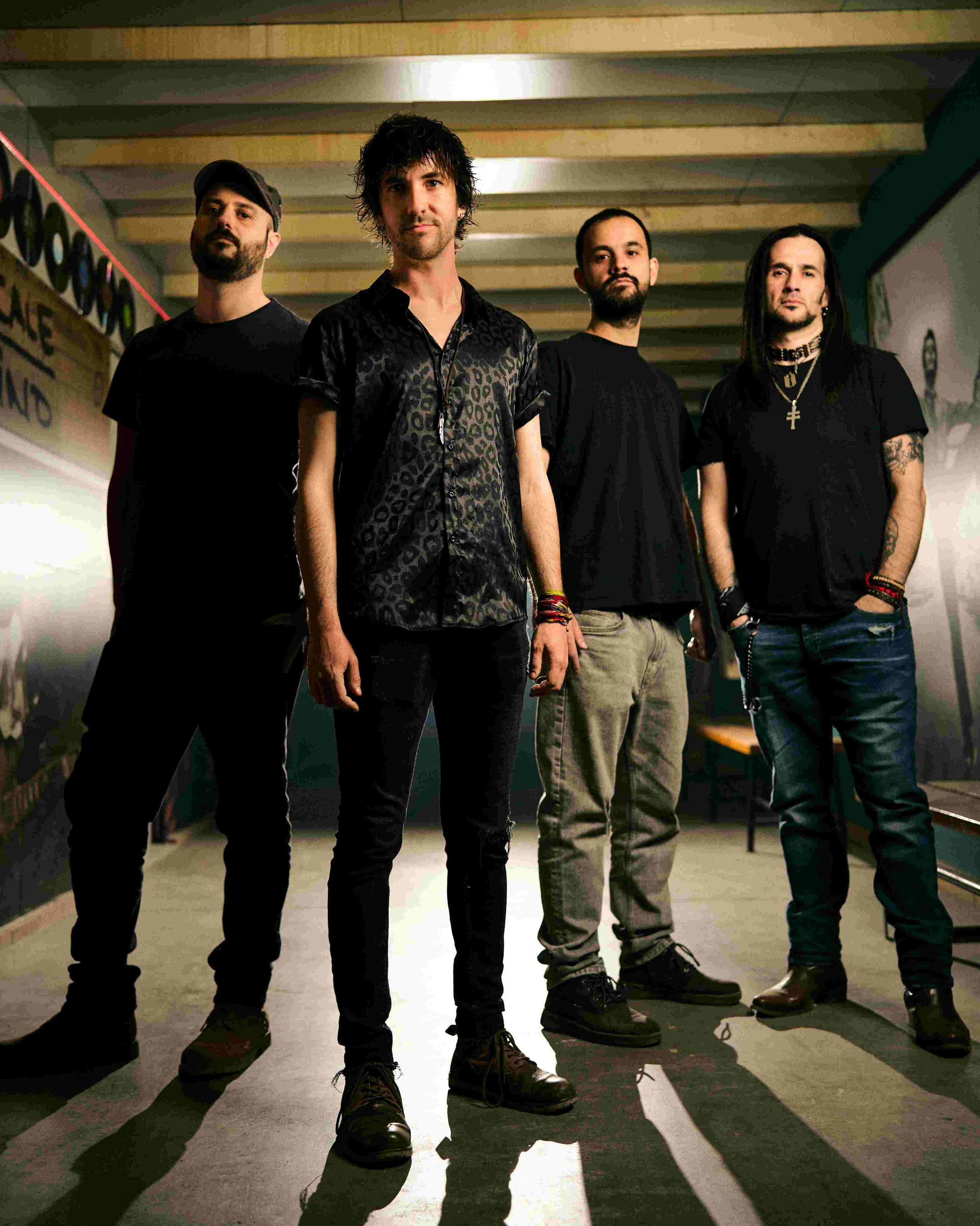
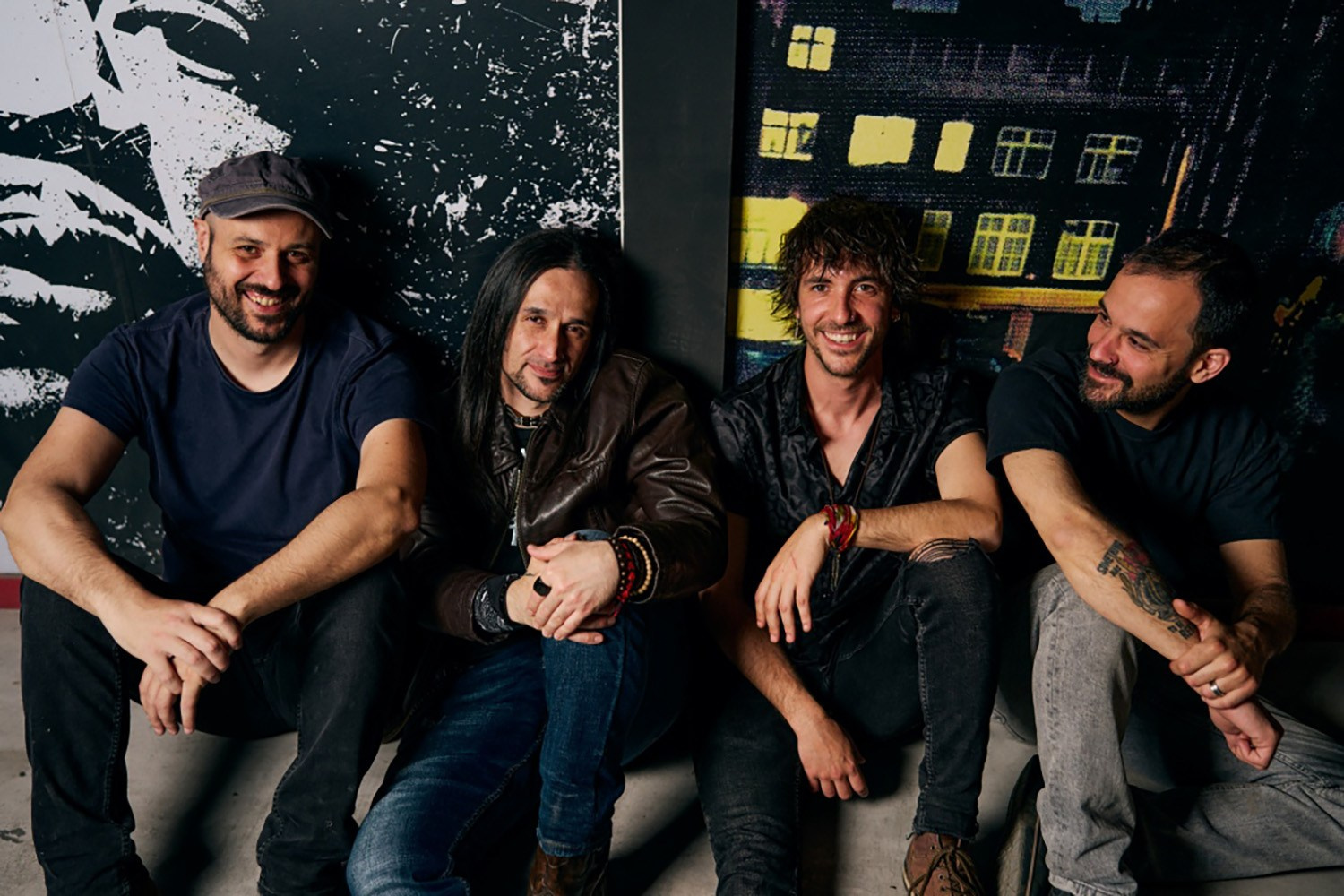
In a landscape where comparisons are inevitable and labels are quickly assigned, Vértize has chosen to move forward with a clear sense of identity. With Delta, the band not only consolidated their sound but reaffirmed their way of understanding rock: organic, detail-driven, and deeply honest.
Under the production of Iñaki “Uoho, ” the group shaped a record that breathes character and conviction. Far from prefabricated formulas, Vértize embraces nuance, emotion, and constant evolution. We spoke with them about preconceptions, the creative process, risk, their audience, and the place they hope to occupy in the lives of their listeners.
If someone listens to Vértize for the first time, knowing absolutely nothing about the band, what mistaken idea do you think they will almost certainly have about you?
I think the most mistaken idea someone might have is to say, “just another band like Extremoduro or Marea.” We come from the legacy of the greats because they paved the way for us, and of course Iñaki “Uoho” is the producer of the album, so his imprint is noticeable as well. But one thing we are clear about is that we are searching for our own style and our own sound — to sound like ourselves, to sound like Vértize.
During the work on Delta, was there a specific moment when you felt the album had developed its own identity and that, from that point on, you were simply following it?
Delta was a project cooked very slowly. We had time to review where we wanted every comma and every period, both musically and lyrically. But it was also a very organic process, and it unfolded naturally and with a lot of care from everyone involved. There comes a moment when the album generates its own identity by itself.
Is there a song that began as something very personal, almost intimate, and later surprised you by becoming one of the closest to the audience?
All the songs talk about personal things — when I read them, I recognize myself in them, more or less intimately depending on the song and the lyrics. “Ninfa del Kas” is a song that, since it was released as the starting point of Vértize, has been embraced with a lot of affection by the audience, and live it’s pure adrenaline.
Intensity and vulnerability coexist in your music. When recording, what is more difficult to convey honestly: anger or silence?
You’re pointing out something very beautiful there. Every lyric and every piece of music has its own texture, and when recording you have to know how to interpret what you’re telling. It’s something we take very seriously, and we try to ensure that the voice and the instruments transmit it properly. You have to be honest with what you’re expressing, and every expressive facet is equally difficult — or equally easy.
If you compare the band from the early days to the band today, what do you feel you no longer need to prove through your music, and what do you now defend more clearly?
From the early days to what we are today, I think we’ve demonstrated identity and honesty toward rock and toward our audience. We ourselves — and our discourse as a band — have evolved, and we are clear that we are here to stay.
Have you ever left an idea or a song aside because you realized it belonged to a stage you had already outgrown as a band?
There are always ideas, pieces of music, lyrics… that either become songs or don’t. The songs that made it to the end are the ones that remained on Delta.
Looking back, what seemingly small detail from the studio work or video shoots ended up decisively influencing the final result?
The sum of many well-cared-for details is what makes something great, right? A lot of care was put into everything: “Uoho” at the controls, overseeing the sound and production; the guitars we used for each song; the amps, the pedals… For the drums, we kept testing which kit worked best for each track and tuning the heads according to what each song required. Letting ourselves be guided by “Uoho” helped the project grow enormously thanks to his experience.
Has it ever happened that, after seeing the audience’s reaction, a song changed its meaning for you, even though musically it remained the same?
Yes, it has happened. The beautiful thing about music is that everyone takes it to their own place. After some concerts, people have come up to us to explain what a certain phrase — or the song itself — means to them. It’s very beautiful to see how it can become a balm for each person in a different way.
During the production process, did you receive any advice that initially caused doubt or resistance but later proved to be the right path?
There can always be moments of doubt about something in the mix or a particular sound… But everything was discussed in a very healthy way, and we would reach a conclusion together. We didn’t put up much resistance because we knew and were clear that we wanted “Uoho’s” artistic vision in the project. We respect him enormously, and his career — full of great records — speaks for itself.
Is there a sound, resource, or musical approach you haven’t dared to use yet but know will eventually appear?
Within rock, Vértize doesn’t box itself into any particular texture. We like our songs to have different colors. There are many sounds and resources that haven’t appeared yet, and surely some of them will emerge in the future.
What has been the most unexpected reaction you’ve received from the audience, whether at concerts or online, and what did it make you reconsider?
Someone once wrote to us saying we sounded like “El Canto del Loco, ” and we almost switched to bachata, hahaha.
If your followers could ask you just one question, without filters or expectations, what do you think it would really be about?
It’s something very personal for each person, but I imagine they would want to know more about their favorite songs — the map of how we created them. Or more details and anecdotes about recording Delta with “Uoho.”
To finish, at what moment in a person’s life would you like your music to appear: when something begins, when something breaks, or when everything feels paused?
We take the lyrics very seriously — creating images and connecting with people. And there are songs for all those moments. The trilogy we released as the starting point — “Ninfa del Kas, ” “Punto de Colisión, ” and “El Vendaval” — portrays those moments of love, conflict, and change.
Interview: Andrei Lukovnikov


