Celia es Celíaca: “We don’t make music to be sad”
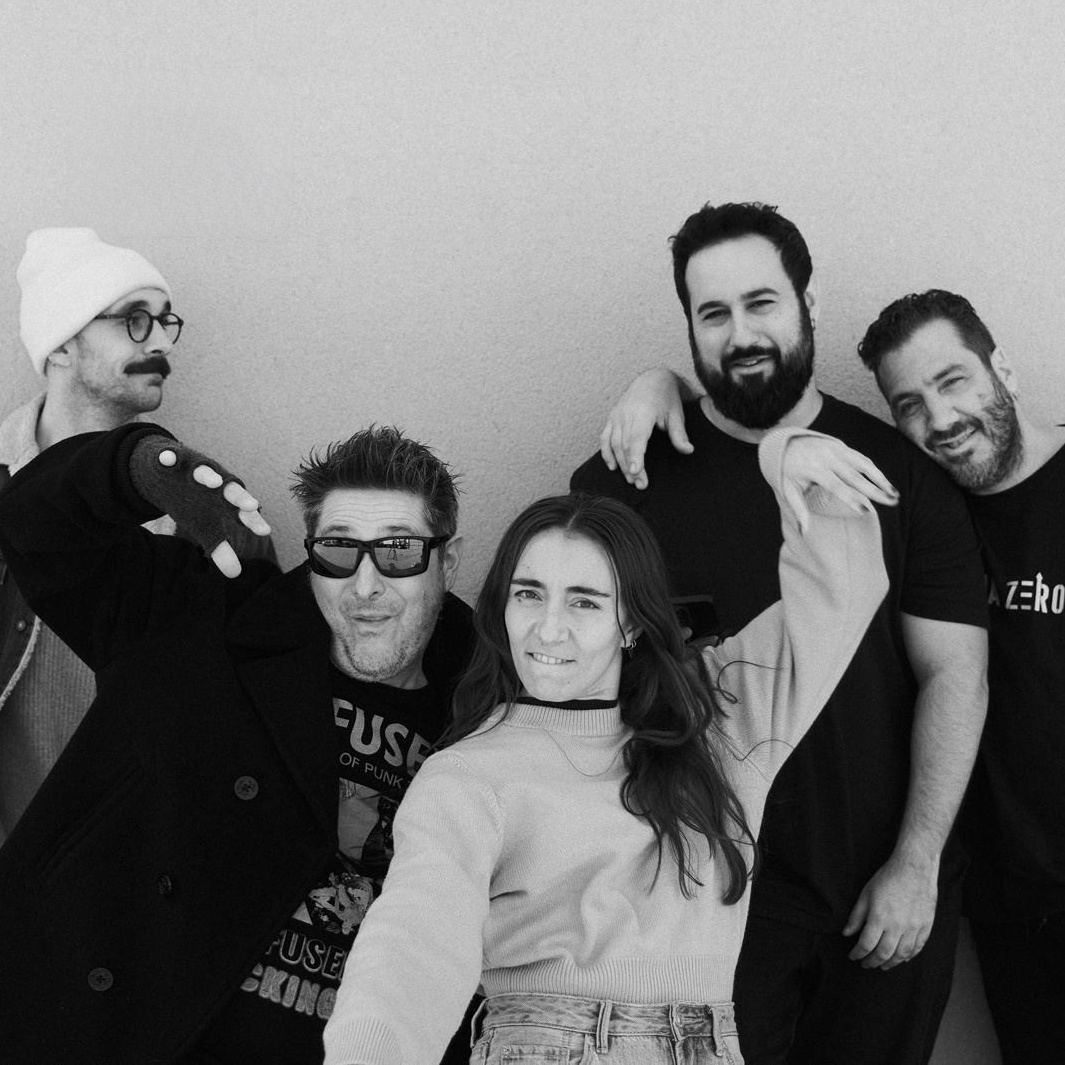
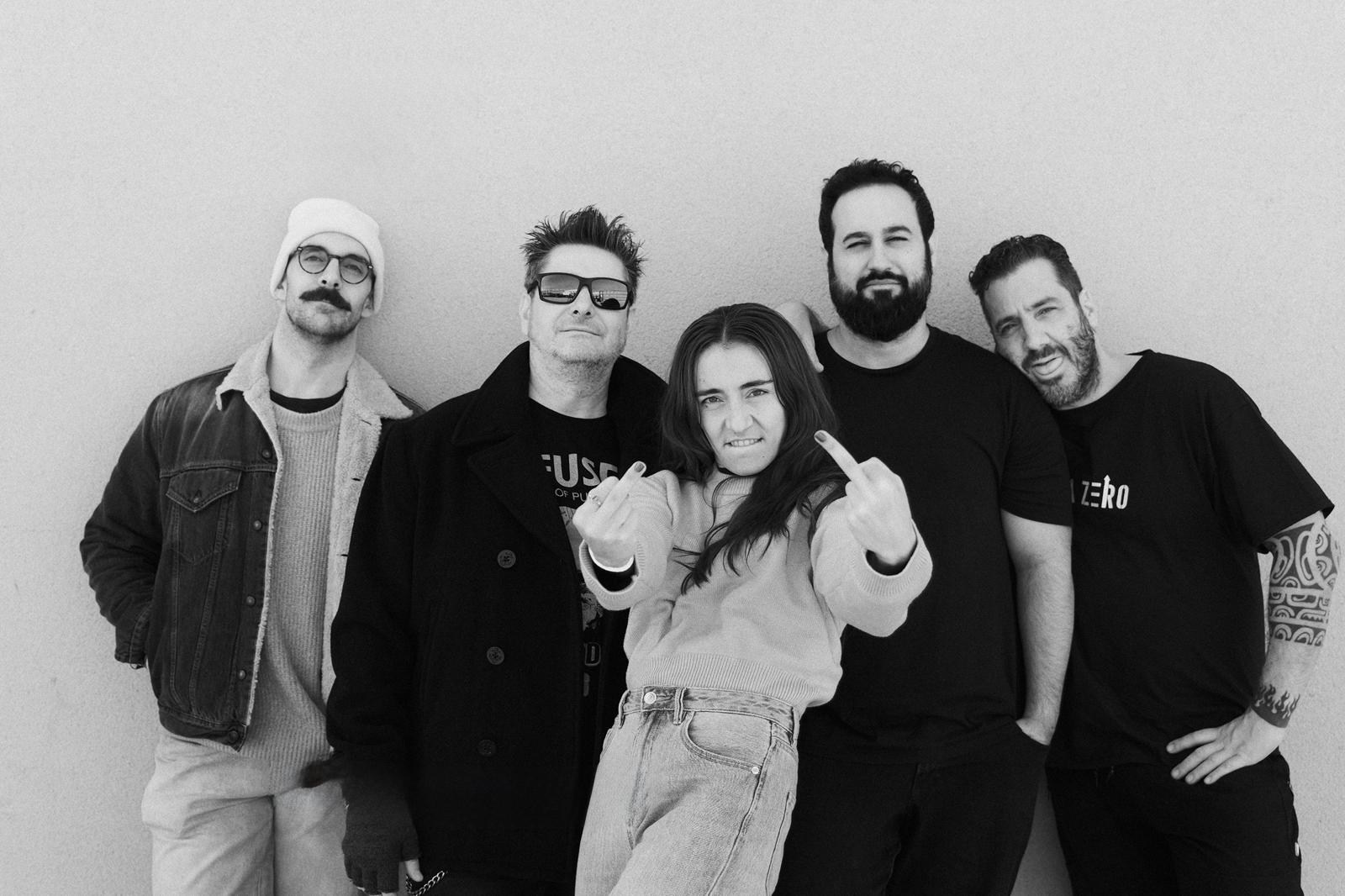
Some projects are born out of impulse, from an almost physical need to say something, and over time they become a recognizable voice within the scene. Celia es Celíaca is one of those cases: a project that blends punk, rock and emotional pop with irony, rawness and an energy that doesn’t aim for melancholy, but for catharsis.
From its beginnings in 2012 to the most recent releases, Celia has built a universe of her own where social criticism, acidic humor and honesty coexist without asking for permission. Her songs don’t just talk about relationships or cities that devour people, but also about collective frustrations, personal contradictions and how to channel bad temper without losing joy.
Your music balances playful punk, bold rock and very emotional pop melodies. If this mix were a film character, who would it be and why? What would be their inner conflict?
I think it would be a cartoon, especially Joy, because that’s what you can end up with by mixing all those styles we work with — we don’t make music to be sad. The main inner conflict would be that it seems like bad temper can’t come out because you’re pure joy, so it has no choice but to come out through the songs.
When you started in 2012, you said you didn’t know how to record songs and that you were “arrhythmic”, yet you still created the project. What part of you said “yes” despite all the doubts, and how does that inner voice sound today?
The part of me that said yes was the one that can’t stop making songs. It’s something I was never going to stop doing even if I was no longer in my previous bands, and I wanted that creative freedom of something created to let off steam… plus in the end I was never left alone, and that’s what still resonates today: if you want to keep going, you have to keep going, and someone will follow you :)
Many of your lyrics work like psychological portraits of contemporary society, where sincerity, sarcasm and a certain disenchantment coexist. What part of yourself is hardest for you to expose through music, and why?
I think the kind of love that appears in most songs stopped resonating with me, and I like the acidity of the themes you can paint more — but you’ll see, one day I’ll have a romantic heartbreak.
In “Mucha Gente”, the city almost becomes a character that devours people. If you could make cities speak through a song, what would your version of Madrid sound like, what about Barcelona, and what about a small town in Spain?
Haha, Madrid and Barcelona would probably sound in English, considering how they’ve turned into theme parks for tourism. I think Madrid would sound like a frenetic punk chotis, Barcelona like a techno pasodoble, and a small town like serene folklore.
Spain has a very rich musical history: flamenco, rock, pop, electronic music. Are there cultural or musical layers of the country you’d like to explore in the future that haven’t yet appeared in your music?
Never say never — I think exploring new sounds will always enrich you if it’s done out of affection rather than from a commercial perspective.
Your collaboration with former members of Dover is, in a way, a dialogue between different eras. What was the most unexpected thing you learned from their way of working that changed your own creative process?
It’s really cool, because you also go into the collaboration in fan mode. I like how they brought a special forcefulness to the songs, and I’ve felt very supported — so much so that a whole album came out as soon as we started playing together as a band.
Listening to your early recordings and comparing them with your most recent singles, it feels like not only the sound has changed, but also the social context you’re interested in portraying. How has your idea of a “song” evolved from 2019 to today?
It’s always had a very similar style in terms of using double meanings and lots of lyrics to convey the message I want to capture in the songs, and I’d say it’s something that has gradually shifted more toward social criticism, much more explicitly.
In songs like “No me dejas dormir”, there’s a frankness that borders on confrontation, mixing very real emotions with a certain theatricality. How do you find the balance between sincerity and artistic exaggeration?
With a bit of awareness. There are songs where you want to convey a message between the lines, but you can’t say “I shit on your life, so-and-so”, because the message you give to one person can perfectly expand to any listener who identifies with the song — so that’s where the balance lies (for me!).
If your next album were a dialogue with your 2012 self, what role would that album play: mentor, critic or friend? What would they talk about?
It would be critical, for doubting what I was capable of doing, and the mentor part would say not to confuse hopes with expectations: low expectations, high hopes ;)
Many types of relationships appear in your songs: romantic, friendly, social, even with the places we inhabit. What type of bond do you think is least represented in today’s music, and how would you like to turn it into a song?
I think nowadays there’s already pretty good representation overall! What I like is that the styles of music we used to associate with a specific message (like punk or rap for social criticism) aren’t necessarily linked in the same way anymore. Today you can write about anything regardless of the musical style you make, and it’s cool to make a pop song that’s telling you “I shit on your life” (something that used to only come out of old-school punks’ mouths).
There’s a lot of play with language and sarcasm in your writing, like in “Mamoneo”. When composing, what matters most to you: meaning, the rhythm of words, or emotional intention? Which would you be willing to sacrifice for the others?
Ooh! All of those things matter a looooot!!! I think meaning isn’t always that clear, and many times you’re not looking for it to “mean something” to whoever’s listening, but for it to help you get rid of an emotional tantrum — so I guess I’d be willing to sacrifice the (external) meaning, which I think for me would always be there anyway!!!
Imagine that in ten years you’re asked to create a conceptual album about the real future of music and the people who listen to it. What story would you tell and with what tools — sound, text, image — would you develop it?
I think if the musical context fit me, it would probably just come out on its own… right now the outlook looks complicated for smaller artists with the issue of digital platforms and the festival monopoly, so if I keep getting angry in the same way, that’ll probably happen — it’ll come out on its own, and I’d keep the sound I’ve carried up until then (ten years later…).
In your new single “¿Cómo quieres que te soporte?”, there’s a very direct tension between emotional exhaustion and irony. At what personal or creative moment did this song come about, and what did you want to linger in the listener once it ends?
It was born out of a moment of exhaustion at the number of emotional failures surrounding the people I loved the most, and the message meant to linger is that even if they mess up and I shit on their lives, in the end we’ll still be there when they need it most (often right at the very end, if they don’t dedicate themselves to blowing up a long-lasting friendship from the inside).
To close, a creative wish for our readers: if your music could ask something brave of the universe for everyone who listens to you in Spain and anywhere else in the world, what would it ask for?
That we don’t justify monsters or their actions under any circumstances.
Interview: Andrey Lukovnikov
On February 6, Celia es Celíaca will release her new album PRETENDIENTES CONTUNDENTES, a record that promises to further deepen her sharp, direct and uncompromising perspective, consolidating a phase defined by sonic forcefulness and a sharpened social discourse.