Nievla: honesty without filters, Granada’s electronic pulse, and music as a living organism
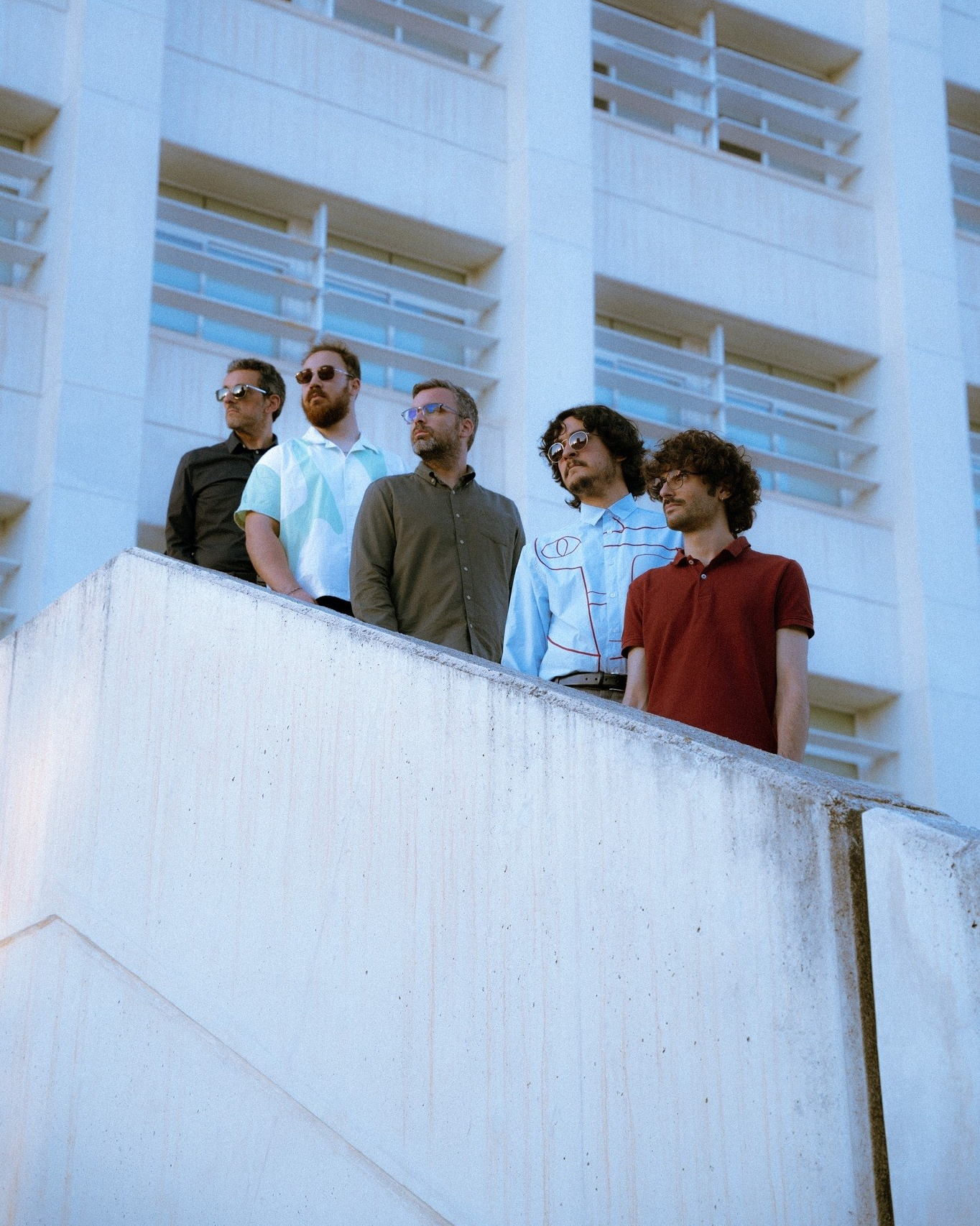
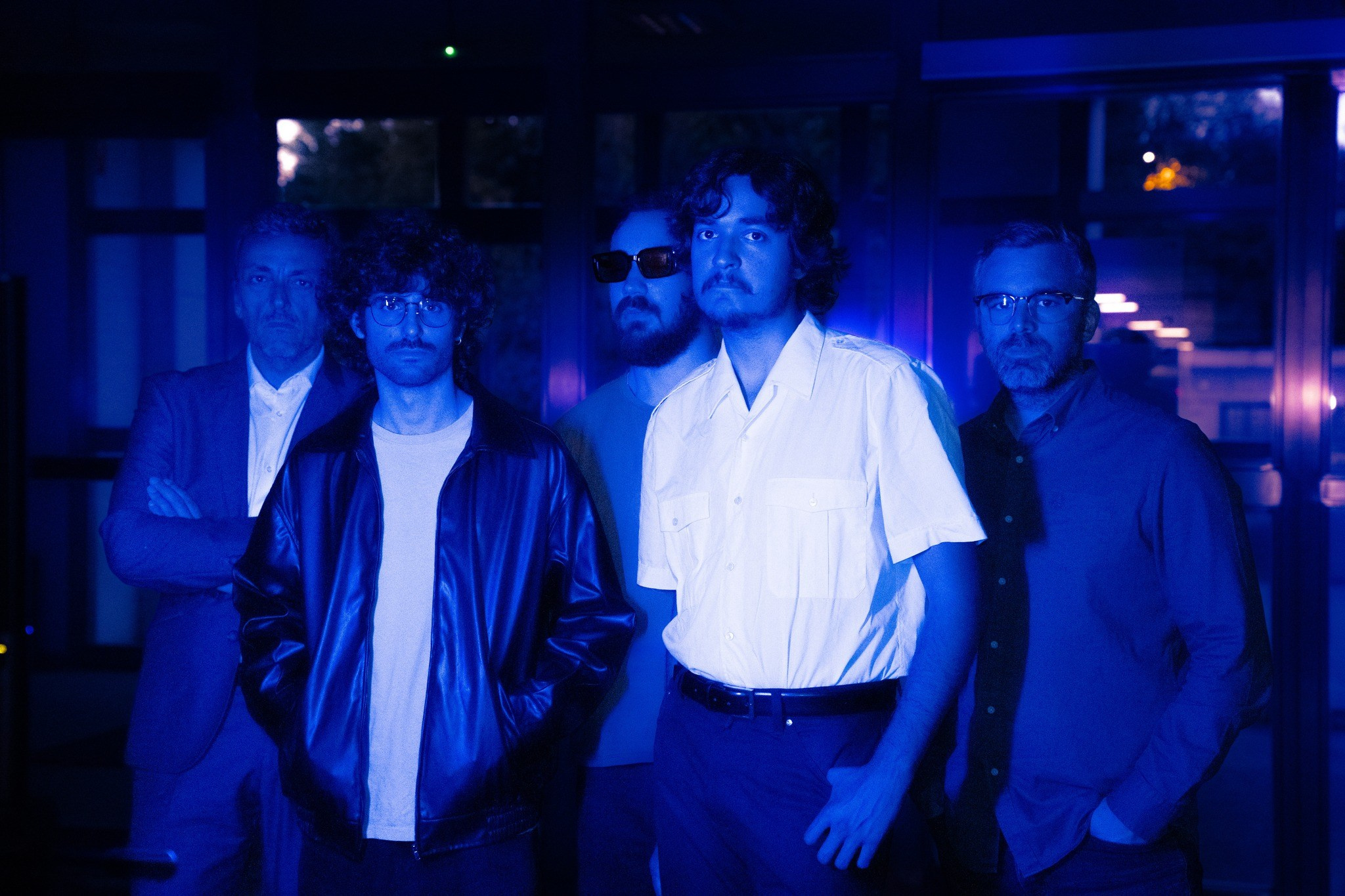
There are bands that grow through volume, and there are those that mature through precision. Nievla belong to the latter. Their music does not aim to be comfortable or unambiguous: it breathes, doubts, and changes along with the people who create it.
At this new stage of their journey, the band is diving deeper into electronics, club energy, and formal experimentation, while holding on to what matters most — sincerity. Miradas becomes not just a release, but a space where nuances matter: from rhythmic decisions to personal states that quietly seep into the songs.
We spoke with Nievla about honesty in music, moments of crisis in the studio, the influence of Granada, fan interpretations, the fear of technical failures, and which track they would trust to a visual portrait by FOTKAI.
What phrase or sound from the latest album would you remove to make it more sincere, and why that one specifically?
Honestly, we feel that this album is the most sincere we’ve ever made, even more so than Habitación, which was already quite confessional. If we had to remove something, it would be a shout by Toni saying “No”, which appears on all our records.
Tell us about a specific moment in the studio that unexpectedly changed the arrangement of a song.
There was a moment of crisis with SAL!, specifically regarding the rhythmic part. The original drum idea didn’t quite fit, and with the help of the two Jaimes, Beltrán and Miralles, we managed to find the right path. Now it works brilliantly.
Your sound is often described as “from Granada, but not flamenco”. What from Granada influences your approach to composition?
Perhaps on this record we’ve been inspired by the city’s more electronic and club-oriented side. We really love that more hidden facet of our city.
On Habitación you used electronics and samples. What element did you carry over into your live shows, and why?
The truth is that we handle the SPD really well. In addition to triggering sequences, Álvaro performs all the drum machines live — something we also did while recording the new album — which is why they sound even more alive.
Has a fan’s interpretation ever completely changed your own perception of a song? How did that feel?
It happened with a song from the previous album, and it was very interesting to see how your art is perceived in the soul and ears of someone who was not part of the creative process. We felt curiosity and interest.
If we imagine Miradas as a stage, which visual element would you remove and which would you add to help the audience better understand the music?
We would remove all kinds of distractions in order to enjoy the full experience — perhaps frontal lighting — and play only with colors and strobes.
Tell us about the strangest or most unexpected technical failure at a concert, and how you turned it into something positive.
All technical failures have been negative, to be honest — they really stress us out. From an amp failing to losing a monitor mix, it leaves you very exposed.
Who in the band is the first to say “this isn’t working”, and who replies “let’s try again”? How did you find that balance?
Toni is the one who intervenes the most on a creative level, and perhaps the one who most often provides both negative and positive reinforcement. But we all always try to balance each other — that’s what it means to be a band and to be friends.
What small ritual of one of the members unexpectedly influenced a song?
From breathing exercises to calm down during therapy processes to peeling oranges alone — everything has an influence.
If you recorded a live album on a street in Granada, which street or square would you choose, and why?
It could be Plaza Trinidad. We’ve met there many times over the years, it’s close to our favorite record stores, and it’s a very pleasant place.
What musical “bad habit” from the band’s past did you consciously leave behind, and what replaced it?
We don’t really have bad habits. We simply grow musically in a coherent way and try to be sincere and honest with the lyrics, production, and so on. Obviously, we’re not going to use the same kinds of resources we did when we were making more seventies-inspired or psychedelic-influenced music, but those aren’t mistakes — they’re moments.
Imagine creating a three-minute song just for yourselves. What would you include in those three minutes, and why?
We would include all the facets we have, in 20-second sequences, as if they were TikTok reels.
If FOTKAI created a visual “portrait” of one of your songs instead of photographs, which would you choose and why?
We would choose Hielo, specifically for this album. We’d like the different layers of electronics and sampling to be clearly perceived, the pulse of the bass, the intense yet delicate drums, the arty and curious guitars, the experimental synths, the intimate lyrics, and both the smallest and the most excessive moments — like our music itself, always dynamic and multifaceted.
Interview by: Andrey Lukovnikov