From Bergen to the World: GLASGOW KISS on Life, Music, and Moments That Become Legend
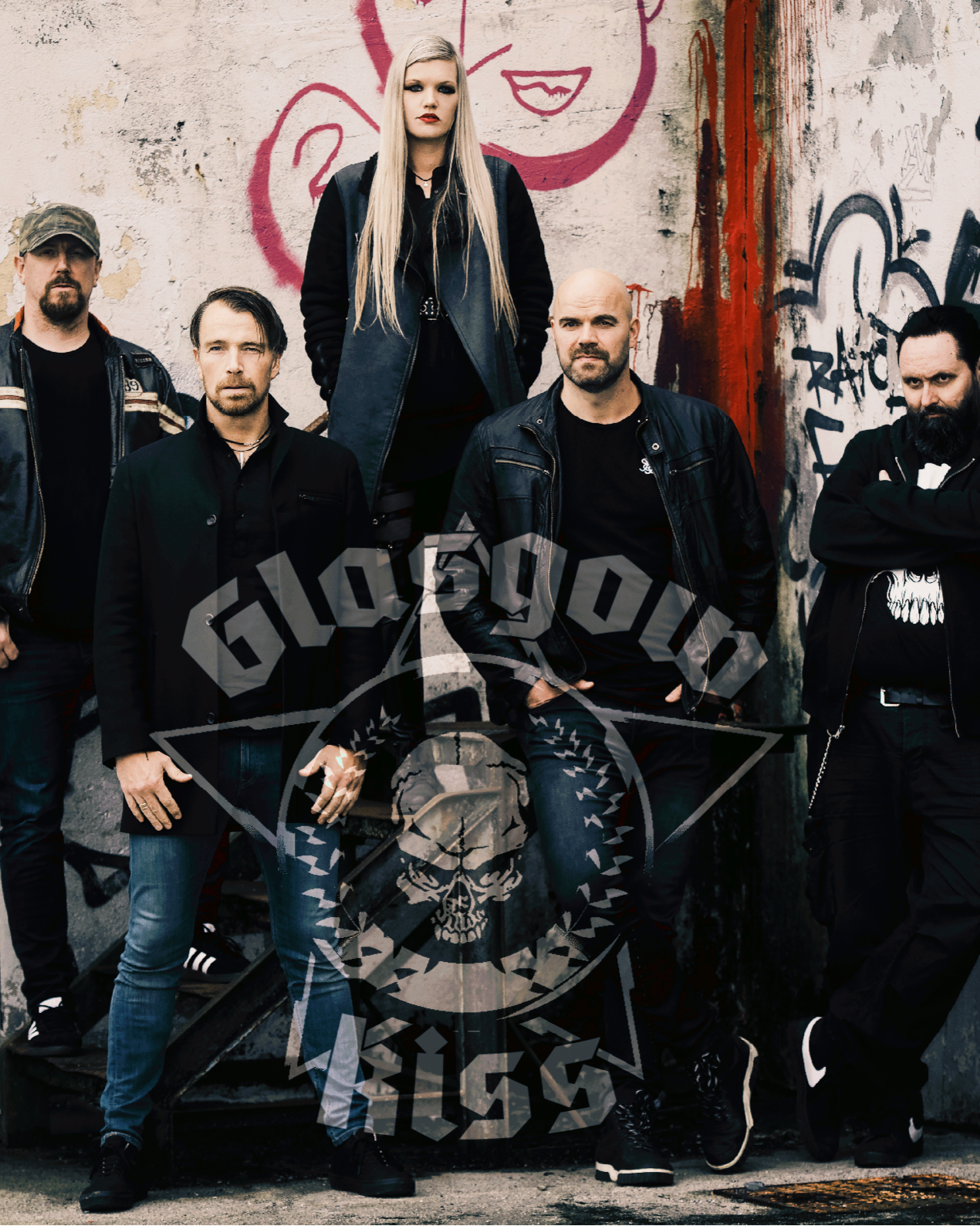
Hailing from the rain-soaked city of Bergen, Norway, GLASGOW KISS has carved a unique path in the alternative metal scene. Their music blends raw emotion with intricate melodies, reflecting the highs and lows of life and the stark, atmospheric beauty of their hometown.
With the release of their new album, Down in Flames, the band opens a window into their creative process, personal reflections, and the unexpected moments that have shaped them — from piano melodies that arrive fully formed to cat-induced chaos in the rehearsal room.
In this exclusive interview, GLASGOW KISS shares the stories behind their songs, their connection to Spain, the traits that define them as a band, and their vision for integrating visual storytelling into music releases.
— Which two lines from Down in Flames would you choose as a personal revelation — and why do they hurt or heal you right now?
I would have to choose “one day we’ll all go down in flames”, it cuts deep since it paints a picture of that when you are standing on the top, the only way is down. It shows that life really is a rollercoaster between being on the top and bottom and that from heaven to hell is a short way — a message that we must make most out of life since we do not know what tomorrow brings.
— Sometimes a song is “born” unexpectedly, and you suddenly realize it can no longer be ruined. Did such a moment happen on Down in Flames — and with which song?
Yes, the song “One Last Time” just happend unexpectedly, first time hearing the piano melody that Sveinung copmosed we were drawn to it right away knowing excactly how we wanted it to be.
— Was there a track that was originally meant to be more of a “radio-friendly” song, but ended up becoming a personal confession? How did that happen?
“Put the Blame on Me” was originally written a radio -friendly, song but ended up with this long outro, even though we knew that the song would be too long for the radio. We also felt it was the best way to end the album with that outro.
— How does the nature of Bergen — a specific place or phenomenon — influence the rhythm, tempo, or melody of your songs?
Our City Bergen is very cold, wet and known for always raining and that reflect our songs, melodies and lyrics as well. There is this dark and depressive atmosphere throughout genreally in our songs.
— Briefly tell us about the most absurd yet meaningful incident that happened during recording or on tour — something you haven’t shared with journalists before.
During the recording and mixing process of Down In Flames, it was quite upheated at times when we couldn’t agree what songs should be on the album and which we should leave behind for later. Also during the mixing progress we didn’t have a clear vision what sound the album should have so there were lot’s of disagreements before we eventually settled the sound we all felt was right.
— If you could change one rule of the modern music industry (PR, streaming, merch, live shows), what would it be and how would it change your day-to-day life?
If I could change one rule of the modern music industry, it would be how streaming revenue is distributed. Right now, streaming platforms take a disproportionate share, while the artists, the ones actually creating the music receive very little in return.
— Name one unexpected instrument or technique you dream of bringing into your next song — and describe its sound in three words.
One unexpected technique we want to push further into our next song is more aggressive screaming vocals. In three words: raw, visceral, unfiltered.
— Which moment from your journey (a song, a concert, a rehearsal) would you place in a time capsule — and who should open it in 20 years?
We’d put one particular rehearsal into a time capsule, the moment our guitarist’s cat peed on the pedalboard and nearly fried the entire signal chain. It was pure chaos, equal parts panic and uncontrollable laughter, and somehow the rehearsal still went on. That moment should be opened by his grandkids in 20 years, as proof that making music is never just about the songs, it’s about the absurd, unforgettable moments that turn into legends over time.
— What most often helps you break out of a creative block: a routine riff, a walk, an argument within the band, or something else?
The thing that most often pulls us out of a creative block is listening to other people’s music. Stepping into someone else’s world, whether it’s a new release or an old record we’ve loved for years, can instantly reset our ears and remind us why we started doing this in the first place.
— Are there any Spanish artists or scenes that feel genuinely close to you — not necessarily metal? Have there been moments when you thought: “This is a feeling we could relate to musically”?
Spain feels very close to us, even beyond music. We’re there on vacation almost every year, and there’s something about the atmosphere, the openness, and the emotional directness that really resonates with us. Musically, that connection shows up in unexpected ways. We’ve spent countless drives and late nights listening to Enrique Iglesias, songs like “Bailando” in particular.
— Which three character traits of each band member would you turn into a choral refrain — something that would sound like “us”?
We’d turn honest, brave, and inspired into a choral refrain. Those traits feel like the core of who we are as a band, being honest in our expression, brave enough to take risks and expose ourselves emotionally, and inspired by everything around us, from each other to the music we love.
— What has remained in you from who you were in 2020, and what would you consciously leave behind as you step into 2030?
From who we were in 2020, we’ve kept the hunger and the need to express something real through our music. That core drive is still there. What we would consciously leave behind as we move toward 2030 is doubt especially the hesitation around our own sound. Looking back, we should have believed more in what we were creating and in ourselves. That experience has taught us to trust our identity as a band, lean into it fully, and move forward with more confidence and clarity.
— Do you think visual photo documentation can become as integral a part of a music release as audio and music videos? And if so, in what format would you like to combine music with atmospheric photo stories?
Yes, absolutely. Visual photo documentation can become just as integral to a music release as the audio and the music video, especially when it’s rooted in something real and tangible. We’re drawn to atmospheric photo stories that focus on nature, the earth, and traces of historical events, landscapes marked by time, places that quietly remind us of what has happened and the world we’re living in now.
Interview by Andrey Lukovnikov