Eira: Exploring Music as Its Own World
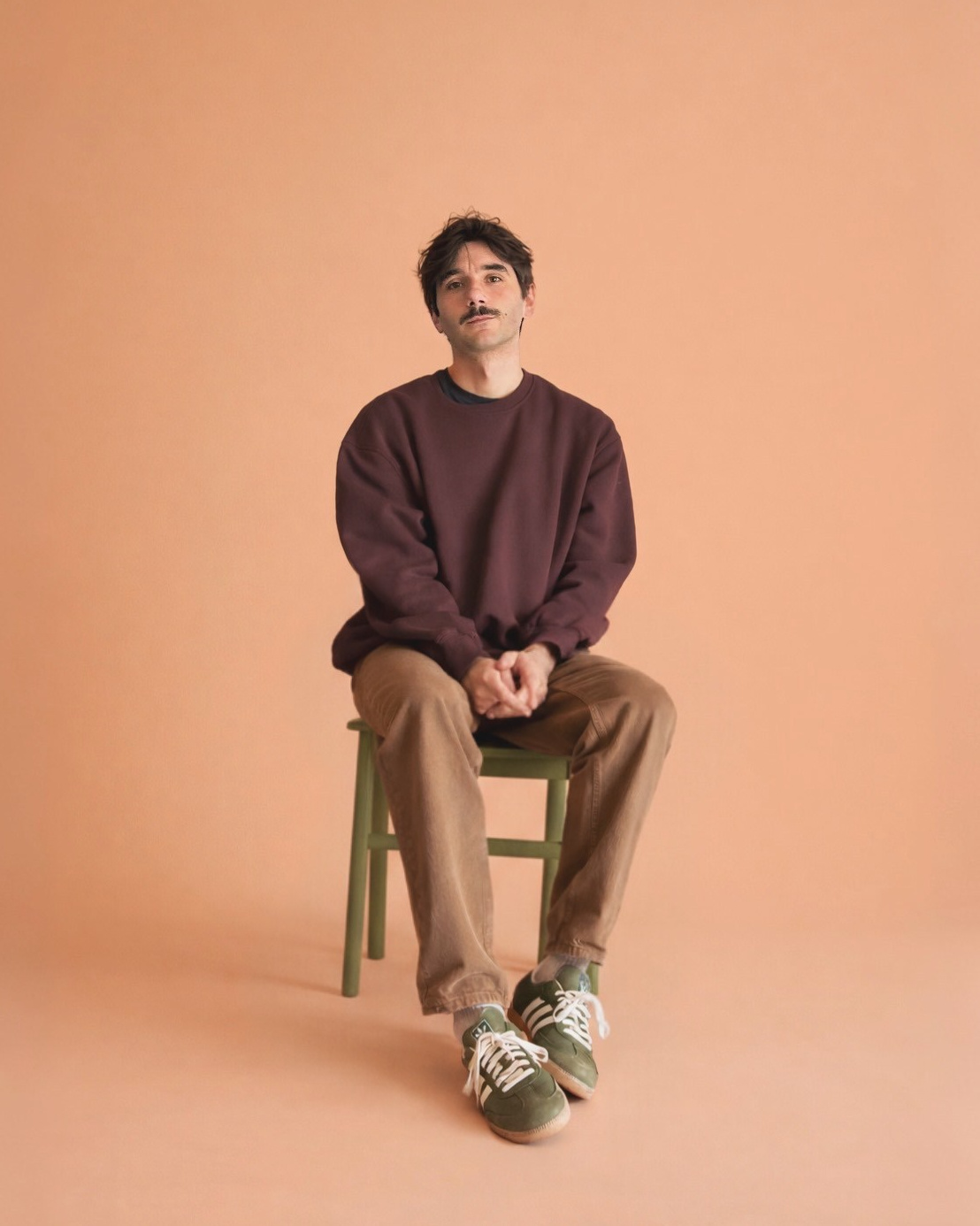
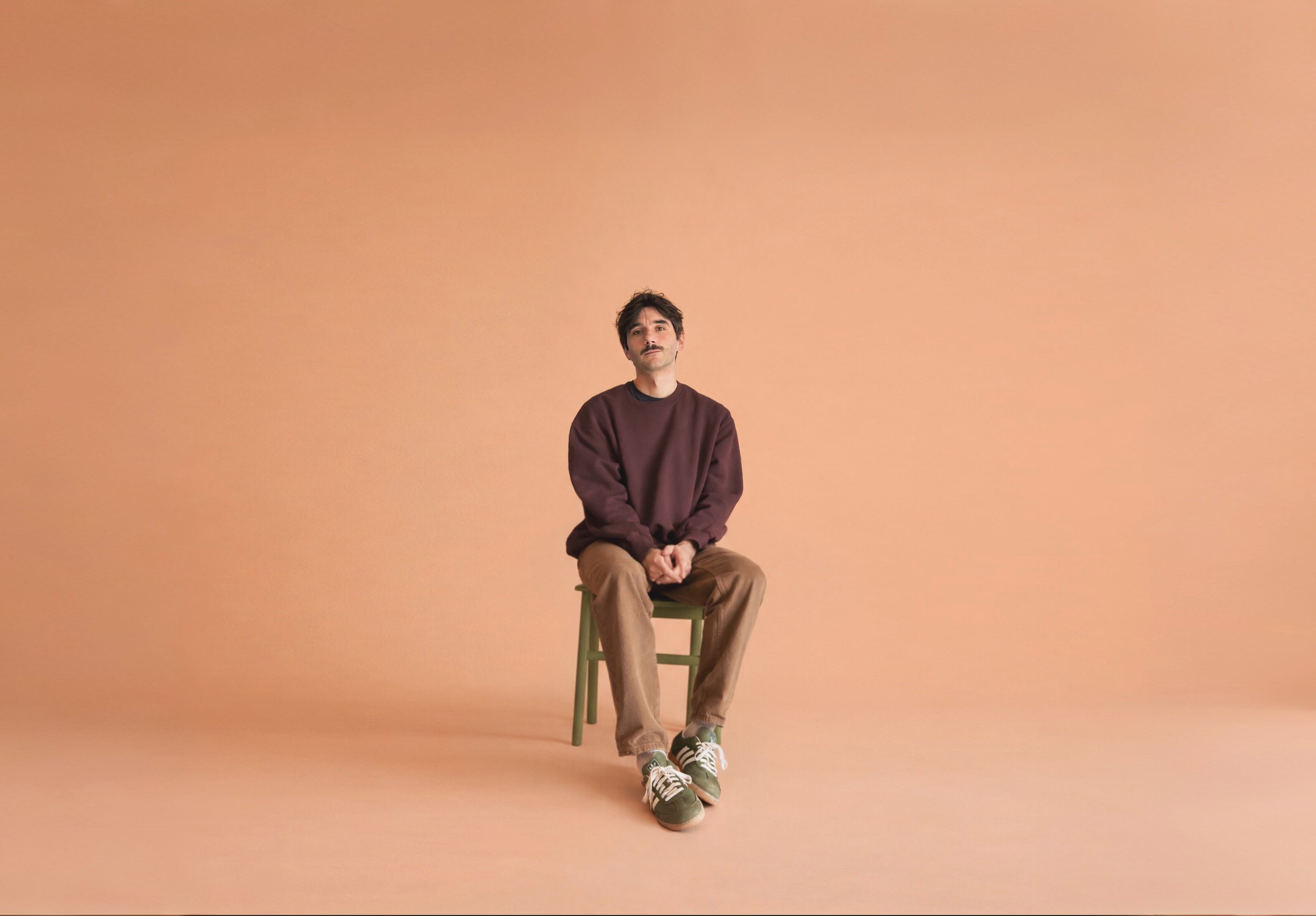
From Lleida, Eira has built a sonic universe that goes beyond mere releases. His music is not just heard: it is felt, inhabited, and lived. With his latest single Esperar aquí, the artist invites us to pause for a moment—not to stop, but to accept the present as it is.
For Eira, every project is a journey, a space where sound adapts to his inner changes, and where silences and subtle gestures are as important as the notes themselves. In this interview, we delve into his creative process, his philosophy regarding music, and his personal view on the evolution of sound and the artist himself.
Here, the composer openly shares how he builds his musical world, how he embraces spontaneity and imperfection, and what it means for him to connect with those who listen to his work.
If we look at your project as a long journey rather than a collection of releases, when did you feel it was time to speak in the first person, without intermediaries between you and the music?
I have always spoken in the first person, or at least as if I did. Normally people tell me that it shows that I speak from my feelings and from myself, that I go deeply into that territory. I suppose I simply stopped putting filters and started trusting more in that way of telling things as I live them.
You work with music not only as a composer, but also by taking care of the entire process. What does this total control give you in terms of freedom, and what, on the contrary, sometimes becomes the heaviest burden?
It gives me peace of mind knowing that everything goes through the same criteria. I can follow an idea to the end without having to negotiate too much. The difficult part is that there is no distance: if something doesn’t work, you face it alone.
On January 14, Esperar aquí was released. The title seems to invite a pause. Is it more about a state, a place, or a moment in life that simply had to be captured now?
The title is more about accepting a moment than about stopping. About staying where you are without constantly thinking about what comes next. It was a very specific state and it made sense to give it a name now.
When you look at your different periods of working with music, what changes faster: the sound or yourself? And how do you know that a change is genuine and not just a reaction to outside noise?
I think I change before the sound does. The music follows, adapting. I rely a lot on feelings: when something excites me, my head and heart already know how to act. When a change isn’t real, it becomes clear quickly because it doesn’t last or it starts to make me uncomfortable.
Your music gives the impression of having no rush, as if allowing the listener to be fully inside it. Is this a conscious artistic gesture or your natural pace as a person?
Actually, it’s almost the opposite. I’m always in a hurry to compose; I don’t like leaving songs to rest for too long. I prefer to work from impulse, when something is alive, before it cools down or I start overthinking it.
You come from a place where silence, space, and language are felt very physically. How does that environment continue to resonate in your music, even if it cannot be directly recognized?
My environment remains very present in my music, but I don’t like being explicit. There’s a certain trend that says it’s “cooler” to be direct and put everything on the table, but I’m not interested in that. I prefer to let it fall subtly.
When did you realize that it was important not only to compose music, but to build a complete world around it—with atmosphere, silences, unspoken elements? Was it a specific trigger or a gradual process?
There wasn’t a specific moment. I simply stopped thinking only about individual songs and started paying attention to everything that surrounded them. That’s when I understood that this “world” was also part of the project.
Have you ever consciously set aside ideas that “worked” but didn’t align with your internal sense of truth? In those moments, what usually wins: intuition or discipline?
I don’t usually think in terms of “this represents me” or “this doesn’t.” Everything I do is me in that moment. I’m not particularly faithful to a single way of being, and I don’t see it as a problem. Music changes with me.
How do you see the fact that today music is increasingly consumed in fragments, out of context? Do you prefer to think of a track as an independent gesture or as part of a longer conversation?
Honestly, I don’t care much how it’s consumed. If 19 seconds are enough to pique someone’s curiosity and make them listen to the full song, that’s fine. I see it a bit like walking down the street and smelling a perfume that catches your attention and makes you wonder what it is.
Do you have any stories with live listeners—not necessarily spectacular, but calm and almost casual—that suddenly reminded you why you do this?
Nothing significant in particular. The only thing is that people who truly enjoy what I do usually understand the message and my world well, and that’s nice.
If we imagine that your previous works are different rooms of the same house, which room represents Esperar aquí? And which room is still closed?
Esperar aquí would be a simple, almost empty room where one can stay without doing anything. The next closed room is the one I still don’t know how it will sound.
You’ve spent many years immersed in music. What was the biggest misconception you believed at the beginning of your journey, and from which now very little remains?
I suppose the biggest misconception was treating my music as if it were some kind of masterpiece. Over time, I learned to bring back that sense of spontaneity and imperfection that makes it alive. That’s my vision: in the end, it’s about how one is. I don’t seek perfection and I don’t need it.
Finally, if you could leave our readers not advice or a wish, but a question they should ask themselves when listening to your music, what would it be?
Why didn’t I listen to it before?
Interview by Andrey Lukovnikov