

CLARA OLÓNDRIZ: “EL VUELO is the first step of what I hope will be a long journey of learning and music”
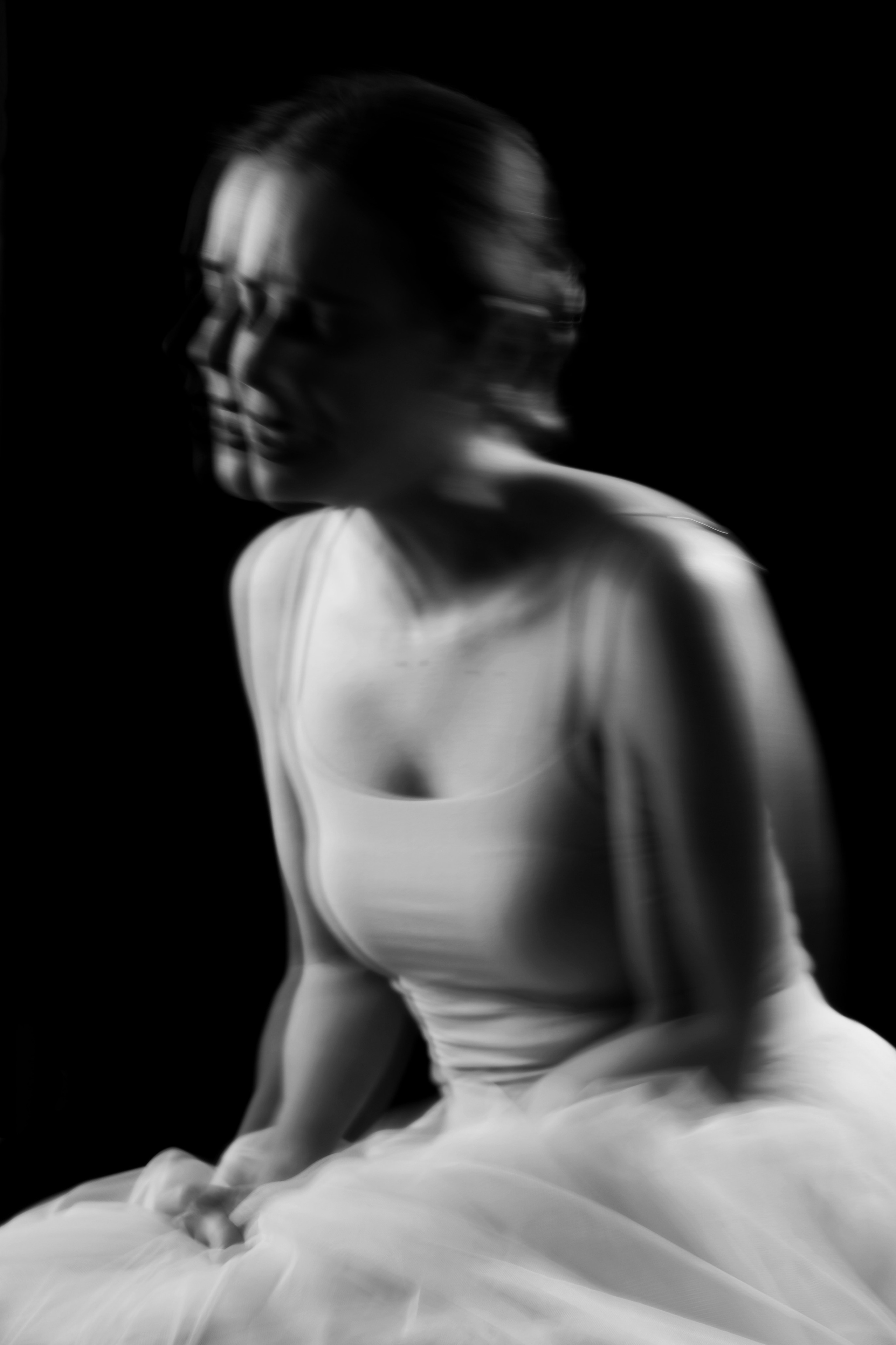
From a very young age, Clara Olóndriz has understood music not only as a form of expression, but as a space for reflection, healing and connection. Writing songs since the age of 14 and giving her first intimate concerts early on, her path has been long, steady and deeply personal, leading her to the moment when she decided to fully commit to her artistic project.
With an indie pop sound filled with emotion, hope and introspection, Clara sings to life, to personal growth and to the everyday moments that shape us. Her music aims to be a refuge, an impulse and a celebration, depending on the listener’s moment in life.
In this interview for FOTKAI, Clara Olóndriz speaks openly about her beginnings, her creative process, the relationship between lyrics and atmosphere, the pressure of expectations, the role of social media, and the meaning of EL VUELO as the starting point of a new artistic and personal chapter.
What moment do you consider the starting point of your musical career?
The truth is that I have spent many years dedicating a very important part of myself and my time to music: I’ve been composing since I was 14, and since then I fell in love with doing it. At 18, I started giving concerts, at first for friends and family, and later for a wider audience. This was something I combined first with my studies and later with office work and further studies. I believe that all those years in which I split my time between my “responsibilities” and my dream were necessary steps to reach what I consider the real starting point: the moment when I decided to go all in on music and make it my full-time job — the moment when I also began working on EL VUELO.
From that point on, having time exclusively for music and dedicating all my resources to the project, I learned what this profession truly involves and began navigating it with respect and responsibility, in addition to the excitement I already carried with me. In this sense, EL VUELO is the first step of what I hope will be a long path of learning and a lot of music.
How would you describe your music to someone who is listening to you for the first time?
I would love for whoever listens to it to perceive it as a shout of encouragement to pursue their dreams, a hand that helps them get back up, a hug in vulnerable moments, or a celebration of life they can take part in — depending on the moment they are in or the song that reaches them.
It is an indie pop that blends the strength that comes with personal growth, emotion and nostalgia, as well as a sense of carpe diem. I want to sing to life and to what we experience as we navigate it, and I would like to approach everyday life from a reflective and introspective point of view that can help others.
What is more important to you in a song: the lyrics or the atmosphere?
Good question! In my opinion, they go very much hand in hand. One of the fundamental pillars of my music — and even of why I compose — is the message.
I am fascinated by the ability music has to convey and accompany people who listen to it, and I truly believe that what we sing about does matter. There is space for everything, of course, and it is completely valid for there to be songs made exclusively to have fun and dance, because that also has an important function and is necessary. But I believe there should also be space for songs that try to say something, and my music mostly falls into that second category.
In that sense, lyrics are fundamental. I love playing with words until I find a way to say something that feels special or has the potential to resonate with whoever listens. That said, I think that the melody or the overall atmosphere each song creates are essential elements to help convey that message and allow it to reach the listener in a more effective or direct way. So I would say that both are necessary.
How do your songs usually come to life: from emotions, stories, or music?
There are times when you feel happy, sad, relieved or frustrated about something, and those emotions seep into the song you are composing. Other times, I experience a specific story or witness it in other people, which makes me reflect and creates the need to write about it. There are even occasions when I turn over a more abstract reflection in my head and invent a story, with fictional characters, in order to talk about it in a tangible way. And sometimes a melody comes to me that I love and becomes the central element around which the song is built — there is room for everything.
That said, most of the time these elements blend together, because it’s difficult to compartmentalize them. I believe that the more elements inspire a song, the richer it can become. I usually sit down with my guitar and a notebook, often on the floor, and start working, weaving melody and lyrics in parallel over a chord progression that I build according to the feeling I want to give the song: happy, sad, hopeful, empowered…
To what extent is what you sing about personal to you?
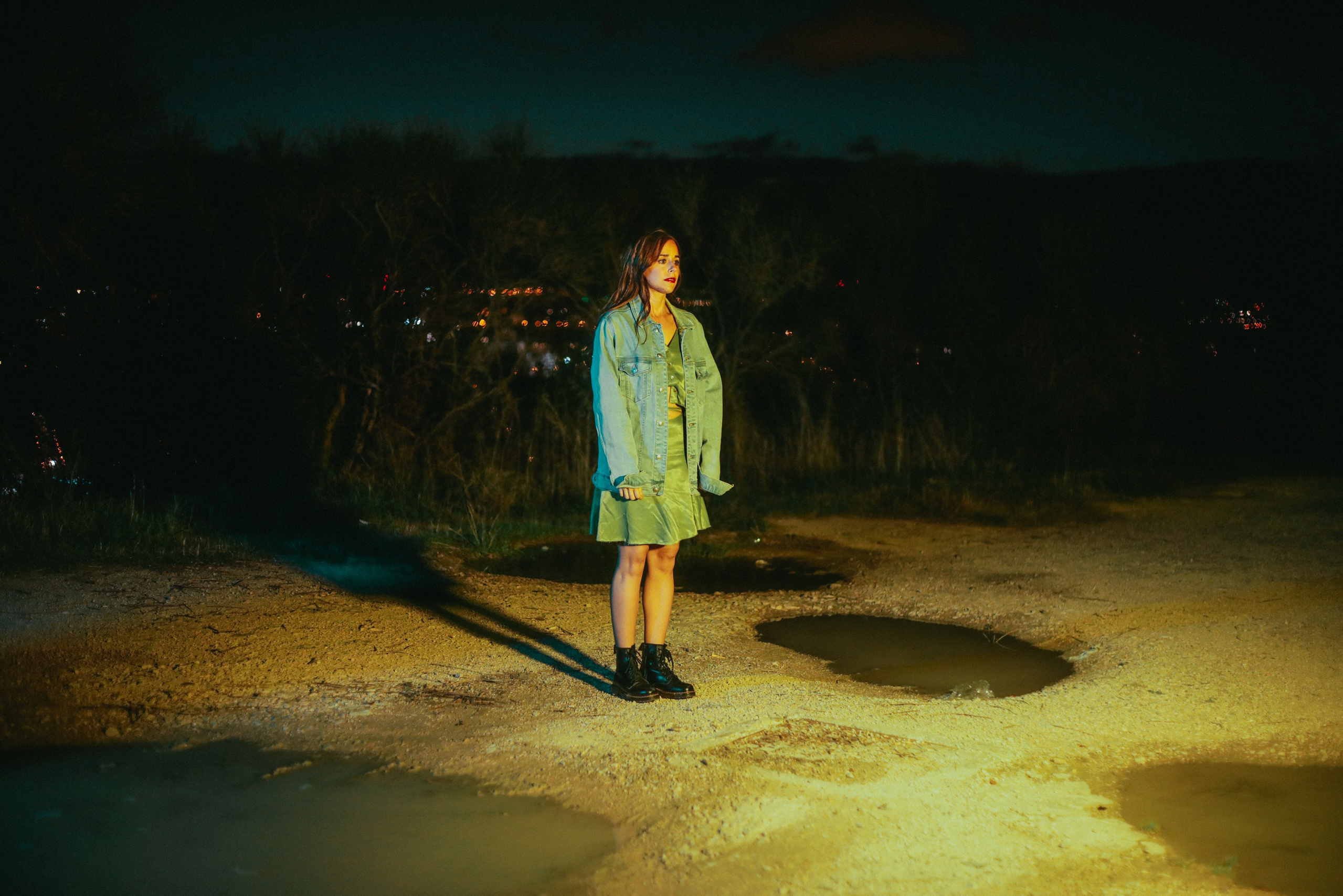
For me, music is a way to process my feelings and ideas in a way that feels very honest and liberating, so it is something intimate and personal. It is personal even when the story does not speak about me or uses invented characters to convey an idea, because even if I am not talking about my own experience or feelings, my perception of that subject is mine, and the way I express it goes through the filter of how I interpret or feel about those ideas, which ultimately affects the song.
Honestly, I think that is the most beautiful thing about music, and what makes what each artist has to offer unique.
Is there a theme you return to again and again in your songs?
Personal growth and hope inspire me a lot. My songs deal with different themes and can be celebratory, like Brindis Eterno, or very vulnerable and even sad, like Ruiseñor, because life has everything and I write a lot about life. But they usually have something in common: a hopeful approach that frames the song.
Hope for a better future, for healing, for overcoming difficulties despite the rough patch or bad streak we may be going through, or the hope that exists in a toast with our loved ones. On the other hand, I love witnessing the personal growth processes of the people close to me — I celebrate them — and on my part, I try to improve every day: daring more, which has been hard for me, fighting more for what I want, improving what I have done wrong and trying again… I return to these themes often, even when I am not speaking about them explicitly, probably because they are also topics and perspectives I work on in my own personal life.
How has your perception of yourself as an artist changed over time?
It has become more professional. The root has always been the excitement I felt at 14, when I started composing, but once I made the decision to dedicate myself to it, I learned, I grew, and I believe I became braver. I think the artist I am today has learned to keep that excitement intact, while adding professionalism, consistency, a work ethic and capacity for effort that I’ve discovered to be very flexible, and a creativity that has also grown as I’ve given it space and worked on it.
Do you feel pressure from expectations, either from the public or from yourself?
Yes, although I am also learning to put it into perspective. I think the greatest pressure comes from myself, because I am demanding with what I do and with what I expect from myself or from what I have to offer. I want to do things as well as I can, I want to improve, and I want my music to help or accompany the people who choose to listen to it. Sometimes this borders on a perfectionism that, if not kept in check, could prevent me from moving forward.
In fact, for many years I didn’t dare to take the step of fully committing to this because I was afraid it wouldn’t work out. Over time, I learned that this was the least important thing — that it was far more worthwhile to try and fail than not to try and live with a “what if…?” for the rest of my life.
Since then, I’ve sought a balance between having expectations and not letting them drown me, which in the long run has made me freer when it comes to creating. Of course, I also care about my music meeting the expectations of the people who support my project and listen to it, because this isn’t just for me — it’s also for them — and I want what I offer to have a certain quality and to resonate with them. However, in the end I believe the best way for my music to reach those it is meant to reach is to be very honest with it and try not to do things simply to meet my own or others’ expectations.
What role do social media play in your career today?
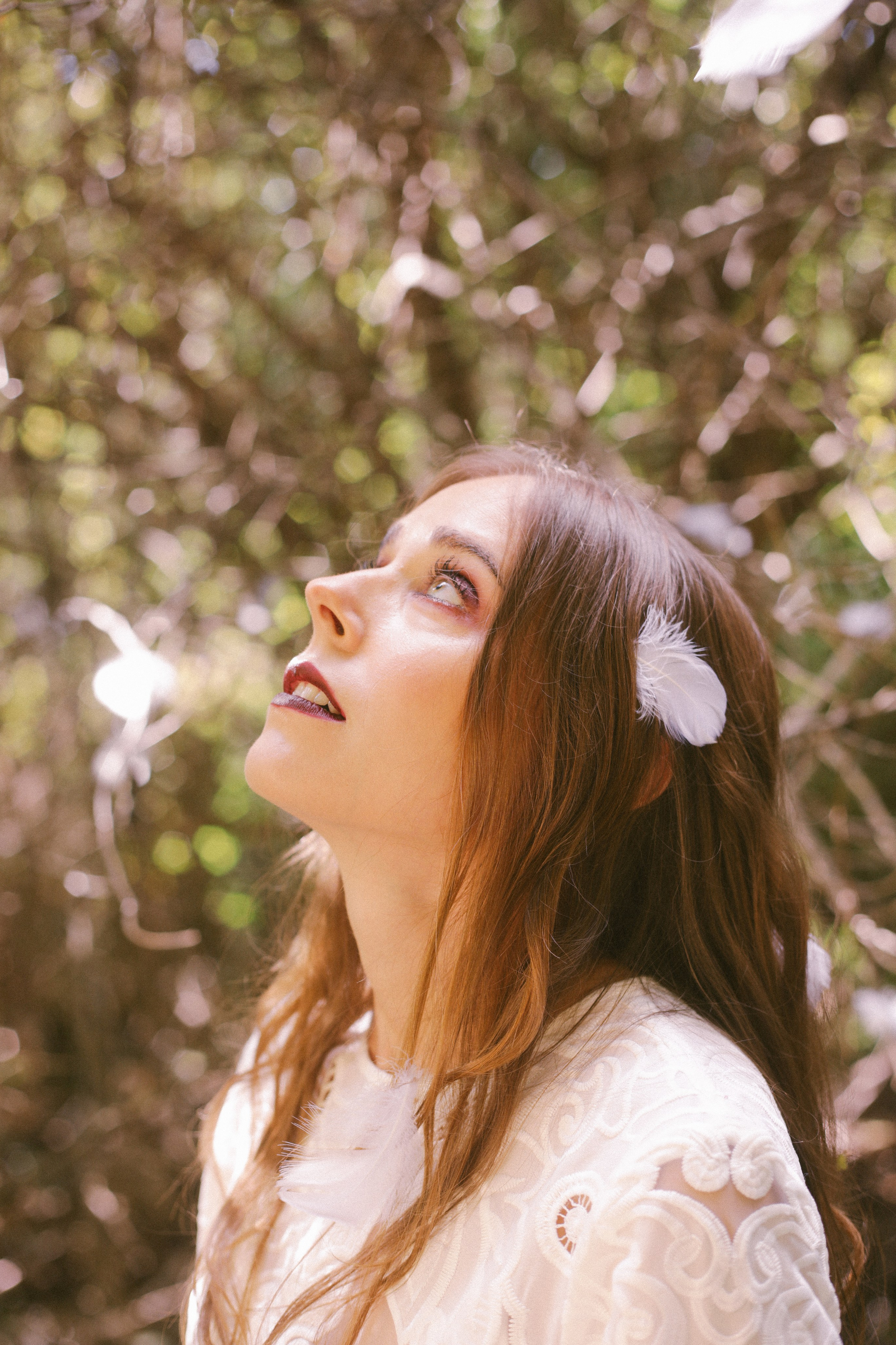
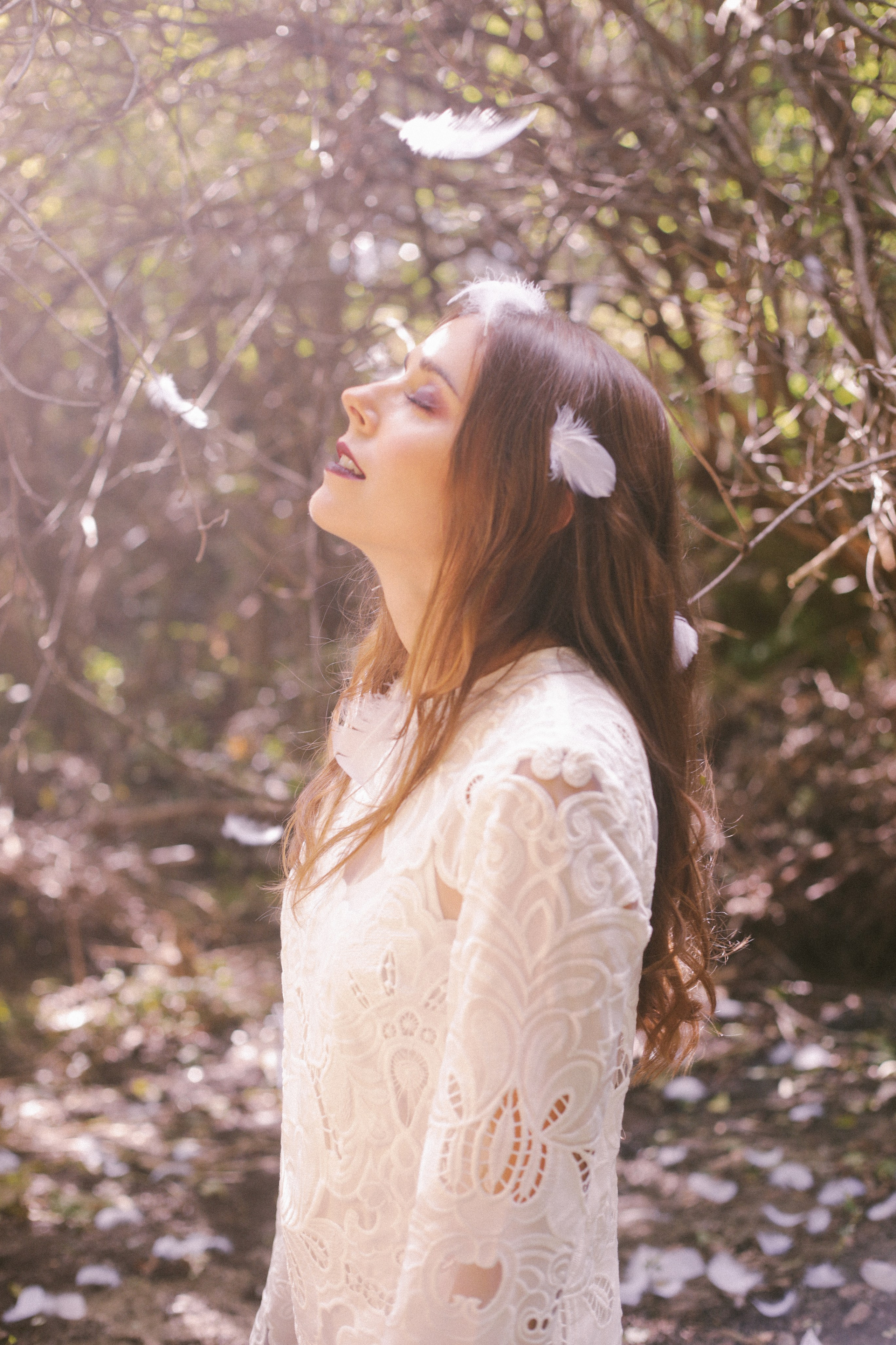
They have honestly been a very important tool for building a community around my music, and they still are, although at first — like most artists — I struggled with them. At this point, we all know the theory: if you’re not on social media, you either don’t exist or you get forgotten… and this can often feel like an obligation imposed on artists, who are not social media professionals by trade, but who see their use slipping into our work almost as a requirement and condition for a project to succeed.
There is a lot of resistance to this, and I understand it, because I have felt it myself. Being present on social media regularly requires many hours that you stop dedicating to the music itself, which can be discouraging at first.
At the beginning, it was hard for me to find a balance, but I managed to establish a weekly routine in which I always included time for social media, until I got used to it. Later on, over time, I stopped feeling resistant and started to appreciate being able to use them to push my project forward, because I began to see the results of the work done: I was building a growing community that genuinely cared about my music.
Suddenly there were more and more people I didn’t know writing to tell me that a certain song had helped them through a difficult moment, that they felt identified with another one, or that my work inspired them. And I had the opportunity to reply, thank them for their support, and establish a small connection around my music with them.
When I realized that this could happen, I began to value social media in a much more positive way, even with gratitude. From that point on, their role in my project solidified, and today I take them seriously — without letting most of my time be consumed by them, because I don’t lose sight of the fact that my job is to be a musician, not a content creator, even though nowadays the two often go hand in hand. Balance is key, and in the end I see them as just another very useful tool that also allows you to build a community beyond numbers.
In concerts, what is more important to you: contact with the audience or your own state on stage?
Contact with the audience. It’s what feeds us, and it’s one of the most rewarding moments of this job: when you finally see the reactions of the people listening to you on their faces, what your music makes them feel — that is a gift.
That said, I don’t forget to stay connected with myself, because you need to stay focused and comfortable to give a good concert. So I reserve part of my attention to stay in touch with what I’m doing. Good rehearsal helps a lot: the more internalized everything is, the more naturally it comes out, without having to be aware of every detail, which allows space for connection with the audience and for truly enjoying the concert.
Is there a creative goal you are currently working towards?
The 2026 tour and the first stages of creating new music. We are in the process of closing dates to present EL VUELO in 2026, which excites me enormously because we are really eager to get the live show on the road.
Preparing it also involves creativity and is an exciting part of the job: how you structure everything, which songs we include, where we add intros or transitions, what we want to be seen on stage, wardrobe, lighting… We did a first pilot concert at the end of August, where we did a pre-presentation of the album with the band, and it was beautiful.
We’re eager to keep working on it and taking it to more places. For now, the closest date is January 3rd in Logroño, at the semi-finals of the Guerra de Bandas at Festival Actual.
As for music, I keep creating. I don’t know when we’ll go back into the studio to start the production phase, but one of the singles that will be released in 2026, following EL VUELO, is already clear, and I can’t wait for it to see the light. I’m also in the process of composing the rest of the songs, with my notebook and guitar in hand.
What would you like listeners to take with them after discovering your music?
The desire to take the leap and start their own flight — towards their dreams, their best version, their goals, whatever keeps them awake and full of excitement but that they maybe don’t dare to begin yet.
If you had the opportunity to create a visual project together with FOTKAI — a photo series, a visual story or a creative format — how would you imagine it and why?
Whenever I consider working with someone, I do so looking for a sense of teamwork, having a shared vision and adding together so that the best possible version of whatever we are creating can come out of it. I imagine something, whether in photo or video format, that helps convey a message, that brings music into the visual world and tells a story that can closely connect with whoever sees the result.
Creating as a team with a shared goal is wonderful, and if that is achieved, then the objective is accomplished!
Interview by: Andrey Lukovnikov


