LUBACK: “When humanity is authentic, it can even wrap sadness in light”
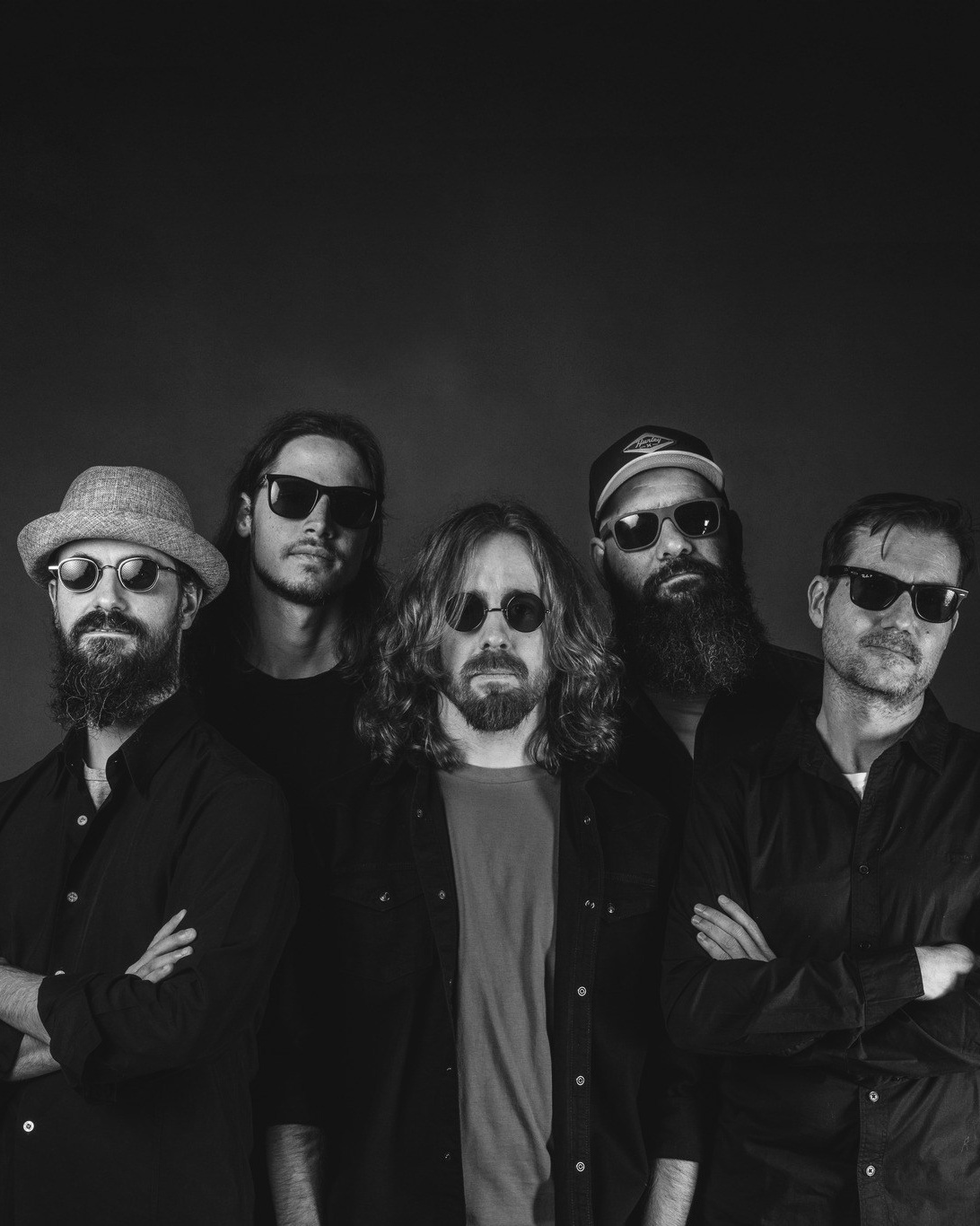
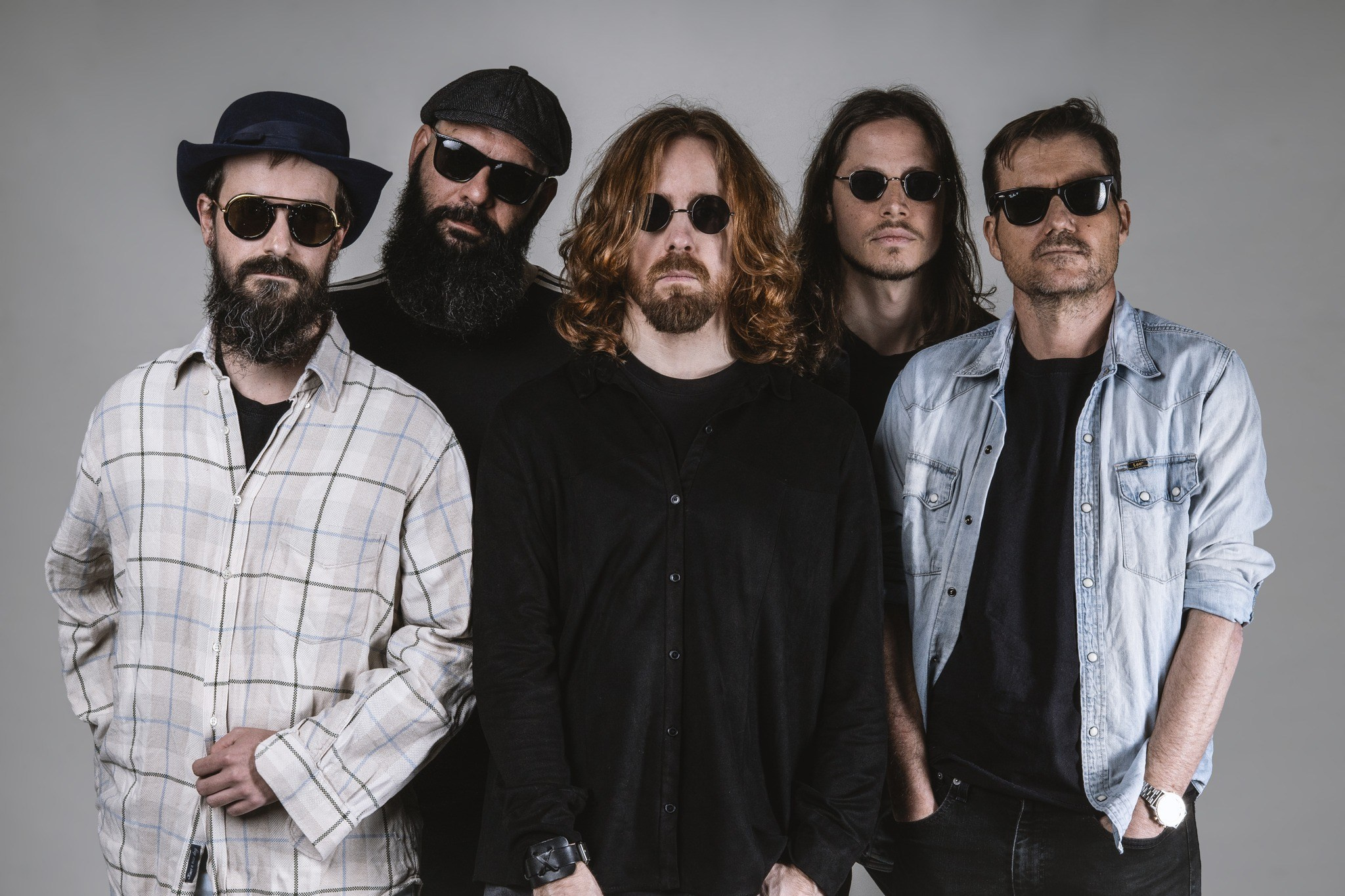
With Human Side On, LUBACK is preparing to present one of their most intimate and reflective works to date. Far from chasing formulas or trends, the band once again places the human being — with their losses, contradictions, values, and emotions — at the center of the narrative. The album will be released on February 4 and promises to become a deeply human and honest statement.
Recorded from genuine emotion and built on lived experiences, Human Side On is an album that looks inward and outward at the same time. From the melancholy of folk and country rock to the luminous energy of blues rock and soul, LUBACK unfolds an emotional map where empathy, forgiveness, and love emerge as fundamental axes of personal and collective growth.
“Human Side On” is a title that conveys a sense of active humanity. If this album could speak, which moment of its life would it describe first, and why?
Well, although the title corresponds to an accumulation of experiences and a worldview, since this is a personal question, I would say that I think of my aunt. She passed away in December 2024, and it was a great loss. But she was a very, very special person, and she left behind a trace that seems to have brought her family even closer together. Both in her personality and in the way her closest circle behaved after losing her, I saw a humanity full of light and beauty that wrapped sadness in a way I had never known before. It was very beautiful. She, my aunt, was the one who inspired the album track “Empty Robe.”
Your music combines elements of classic rock, blues, folk, and soul. If we talk about the “emotional spectrum” of each genre, which one became a mirror of inner pain for you, and which one a reflection of joy during the creation of Human Side On?
Hmm… that’s a very good one. On this album, we could say that folk and country rock bring out melancholy, while blues rock, funk soul, and rock blues are more energetic and luminous, tending more toward the positive. Although there is also a track with a grunge touch that I would say is reflective and somewhat dark. It’s a song about feminism.
The themes of freedom and change reappear frequently in your work. If music had a smell, what aroma or fragrance would your new album have, and why?
Well, precisely because of that idea of freedom, combined with the organic nature of our music, I think this album should smell like the countryside, like open air, mountains, and rivers. Like nature.
You have developed your sound over a long time in Spain. What has changed in your way of seeing music from the days when you played in small clubs in Madrid to the current era of Human Side On?
Honestly, very little. We have the same vision and the same respect for the music itself. We have always paid close attention to details, from musicality and trying not to be influenced by commercial criteria, and that way of doing things remains intact. We like to think that the foundation is the same, but inevitably we keep evolving, experimenting, and hopefully improving little by little.
Have there been moments when a musical phrase or a riff emerged not from reason, but from feeling and the memory of a specific person? Tell us the most intense story.
I don’t know if it’s the most intense, but it’s a beautiful one. Marcus, the band’s lead guitarist, composed an instrumental piece based on that sparkling feeling of excitement at the beginning of a relationship (and, of course, he was thinking of a specific person). When we heard it, we loved it, and I suggested including it in the repertoire. He agreed, but since we were already going to include an instrumental track on that album, he told me that if I wanted to add lyrics, I could, because he didn’t really know how to approach it. He explained the theme to me, and I did the best I could. Apparently, I managed to reflect what he was feeling. He loved it! The song is “Light State Of Mind, ” from our album “The Measure Of The Step.”
Spain is a surprising country with a rich musical legacy. If you were offered the chance to record your next work in a specific place in Spain (city, town, or natural landscape), where would it be and why? How does the place influence the sound of the music?
I don’t know exactly where, but it would be in the North. We have a special relationship with the area, and we absolutely love the food there. That definitely influences the final result of the album. Also, if we talk about kindred bands, many of them (though not all) are based there: The Soul Jacket, Travelling Brothers, Moonshine Wagon… There must be a reason!
Many bands go through doubts and reassessments when creating an album. What was the most unexpected or paradoxical conflict that arose within the group during the creation of Human Side On, and how was it transformed in favor of the music?
Well, I don’t know if we would all answer the same; I suppose each of us had a different experience. For me, the song selection process fits what you’re describing. There was a moment when we were not clear at all. There were quite a few songs, and we had already discarded some. There were good feelings about some of them, but there wasn’t really an atmosphere of euphoria about the repertoire. And suddenly, three new songs emerged, and we put them together with such ease and flow that it felt like we had been waiting for them, as if we already knew them. We liked them so much that they immediately made it onto the final list. And without a doubt, they gave the album the solidity it needed.
Philosophical themes and life lessons converge in your lyrics. If you could ask your future “self” a question through a song, what would you ask? And which musical instrument would be your “voice” in that dialogue?
Well… perhaps, knowing the principles and values we start from, we could ask whether it was very difficult to maintain them and to stay true to oneself. And, while we’re at it, which situation was the most difficult in that sense. The instrument could be a guitar, one of those that fills in the spaces left by the voice with arrangements, as if it were responding.
In the digital era, music is often perceived as a flow (streams, algorithms). How do you maintain a sense of living interaction with a song once you have already “released” it into the world? Have there been occasions when a song has “responded” to you in some way?
You have to remain aware that songs are songs. They are not numbers, algorithms, or statistics. If you keep that thought alive in your mind, the rest doesn’t matter. Seeing someone moved during a live performance is the greatest and best response we can receive, and that can’t be quantified anywhere, nor does it need to be. Our song “We Learn, ” from the EP “The Deal, ” has brought us comments and reactions that have made us blush or even shed a tear. And being a long song and not a “fast” one, it’s not the most searched for or the most played. But it is special to us. And Carmen Villaescusa is immense.
If Human Side On were not only an album, but also a guide to spiritual growth, what would be the three “stations” it would mark, and what do they mean to each of you individually?
I can’t answer for everyone, but the three stations could be empathy, forgiveness, and love. Empathy is essential to understand one another, and even to better understand the world and grow as human beings. If each person doesn’t step outside their own world, their own bubble, it’s easier to fall into fear, hatred, prejudice, or intolerance. On the other hand, forgiveness removes a lot of poison from our lives and opens doors and opportunities for the other person. Being right is not more important than knowing how to forgive, and the world would be a much better place if we all knew how to forgive. And of course, love. We have to put love and humanity into what we do, into the way we live and interact with others. That is the key to everything.
You play live a lot and build a strong connection with your audience. What has been the most unexpected or intense reaction from a fan that changed your perception of who you really play for?
It’s hard to choose just one… There have been people who cried, a girl asked to hug each one of us because she couldn’t believe what she had just experienced, someone told us they had never enjoyed music like that before… These are reactions that give you fuel for five years and give meaning to what we do.
To finish: if you could give each reader a “secret note” from Human Side On, something only they can discover by listening to the album, what would it be, and what would you wish for them in that note to transform their day or their way of seeing life?
Possibly, on this album, the song with the strongest message in that sense is “Strength.” And although it’s not something explicit, the lyrics follow a structure. First, it talks about a person who was born with everything in their favor and who lives only for themselves and for appearances. Then it talks about another person whose life has been much more difficult and who, nevertheless, fights day by day and tries to make the world a better place. And in the end, I ask for forgiveness from those who were not among the fortunate and whom I failed along my path, by belittling them or looking the other way. I think it is very important to value inner qualities, kindness, generosity… Appearances are nothing. A well-oriented moral compass brings a peace that cannot be bought.
Interview by Andrey Lukovnikov
Photo by Luzmetik