Mind Traveller: healing wounds, rising from the ruins, and believing in music again
After years of silence, internal changes, and a necessary process of growth, Mind Traveller have returned with renewed strength. The Spanish band resumes its path from a very different place than where it began: more conscious, more honest, and deeply connected to its own lived experiences. Their new material not only marks a sonic continuation within metalcore, but also a turning point on both an emotional and personal level.
The rebirth of Mind Traveller is not driven by strategy or forced nostalgia. It is the result of healing conflicts, acknowledging mistakes, and reconnecting with what always truly moved them: creating music from a place of truth. Their new songs speak of real wounds, resilience, fear, and hope, resonating with an audience that finds in them something far beyond simple entertainment.
In this interview, the band reflects openly on their past, their present, and their doubts about the future. They speak about pause and maturity, about messages that are felt rather than explained, about the energy of the stage, the emotional weight of festivals like Resurrection Fest, and the importance of moving forward even when goals seem distant.
Throughout your trajectory you have experienced birth, achievements, a pause, and a rebirth. If we imagine Mind Traveller as a living organism, what internal conflict or contradiction were you “healing” during the break, and how is that reflected in the music you create now?
The break was necessary to heal old wounds, confrontations, and poor joint decisions made by former members. Over the years, all of that gradually healed, and we gained the maturity needed to return to what we are passionate about: creating music. During this time, the three original members decided to pick up again what had once simply taken a break.
Your sound combines the aggression of metalcore with deep emotional weight. Is there an idea or philosophical metaphor within the band that you try to convey not through words, but through the dynamics and structure of the music itself?
We believe that the music and the message of the lyrics are closely linked; they cannot be conveyed separately. Both must go hand in hand and transport you to the sensations we want to express. We believe our messages are very powerful, as the lyrics currently speak about real experiences of the band itself and how we have managed to move forward despite the problems.
Rebirth is not only the title of a new song, but possibly the reflection of an internal process. If the “rebirth” of Mind Traveller were a cinematic genre (not musical), what would it be and why?
Psychological thriller, without a doubt.
When creating your new songs after the return, were there moments when musical ideas from the Eradication / All the Signs era resurfaced in a transformed way? How do you decide what to keep from the past and what to let go of forever?
Generally, we don’t look back when creating new songs; we let ourselves be guided by what our bodies ask for at that moment, always staying aware of our sonic identity. Even so, there are current songs that were born during the All the Signs era and have only now taken their final shape. You have to let go of what no longer comes naturally to you or what you no longer feel like doing; you must be happy with what you play and enjoy your own music. This is an unbreakable philosophy for us.
Metalcore is often associated with a very specific kind of energy. In Spain you already had a scene, festivals, and an audience, but how has the Spanish cultural environment influenced your sense of rhythm, melody, or lyrics? Are there Spanish images or symbols you would like to incorporate into future songs?
We don’t necessarily guide ourselves by our country or roots when creating songs or defining our aesthetic, as we deal with much deeper themes. We are influenced by what we listen to and what we are passionate about, both individually and collectively. That said, it can never be ruled out that in the future, if it feels right, we might make references to our country or culture; we are always willing to be guided by what our bodies ask of us.
Tell us about the strangest or most unexpected reaction you have received from a fan — the one that radically changed your understanding of who you make music for.
When not just one, but several people tell us that they listen to a song and feel identified with a lyric or a melody that connects them with memories or helps them eradicate traumas, it gives us a special kind of joy. We also realize that music is more than entertainment for many listeners. When we understood that our lyrics are not only heard, but also understood and shared, that’s when we truly realized the strength of our message and why we must continue doing things the way we currently do.
If Mind Traveller had the opportunity to record a duet with an artist outside of metal, who would it be and what do you think could come out of that collaboration?
We love music in all its forms, so we would never close ourselves off to an unconventional collaboration for a band of our genre. We’ve never seriously considered it, but the truth is that it could be something very interesting to experiment with in the future.
Since your rebirth, the lineup has changed: new and veteran musicians coexist within the same sound. What contradictions or unexpected synergies have emerged from this generational creative mix?
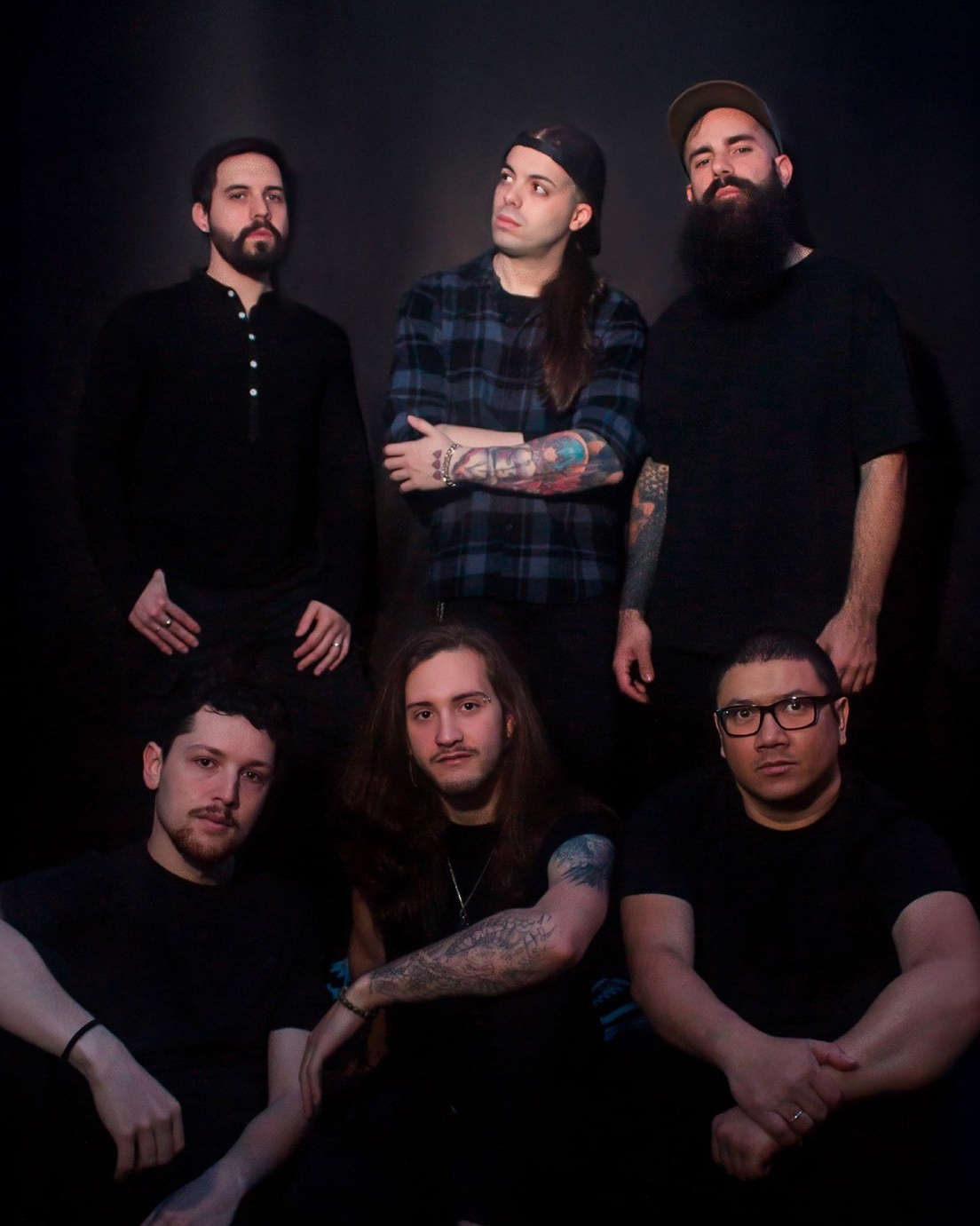
There are the three founding members — Samuel, Marcos, and David — who understood from the very beginning what we wanted to do and where we wanted to go. Ademir arrived with more than 25 years of experience on drums and brought us even more knowledge, while Pablo and Raúl brought freshness and energy by being much younger. Differences always arise when there is such a wide age gap, but when you find the right path, the music flows and everyone looks in the same direction.
Metalcore often works with concepts of inner struggle and liberation. If we imagine Mind Traveller as a method of self-discovery, what is the most difficult question you ask yourselves that still has no definitive answer?
We would be something like the wheel of life: evaluating all areas, seeing where we fail, and how to keep moving forward with what we’ve learned from our mistakes, strengthening everything good. The question we ask ourselves is whether we will manage to reach as high as a band as our emotions do when interpreting our music. We want to conquer the world, but there is always that small fear of not reaching our goals. That’s why you have to fight every day and value everything you learn along the way.
You have worked in your home country, in studios and on stages across Spain. If you could perform an experimental musical performance in a completely different context — for example, among ancient ruins, underwater, or in an empty industrial warehouse — which would you choose and how would it change the energy of your music?
Perhaps a setting we would love would be some ruins, with an optimistic song playing. It seems contradictory, but the message is very powerful: the ruins of your life should not make you fall, but rather make you scream that you can still achieve whatever you set your mind to. In fact, in our latest single we deliver a very clear message in that direction.
What has been the most unexpected emotion you have felt during a recording or a concert (beyond aggression, joy, or fear)? And how did that emotion subtly manifest itself in the musical decisions of a song?
Playing at a festival like Resurrection Fest has undoubtedly been one of the most unexpected experiences for us, and it also largely inspired our latest single. We already had it planned, but it gained extra energy in the arrangements, vocals, and lyrics. It was a very sweet moment for the band that filled us with energy after a few somewhat difficult months, which also resulted in less positive songs, but with very powerful messages such as Gaslight or Fracture.
If we imagine the visual accompaniment of your music in the style of FOTKAI (a photo report with no posing, only real moments), which three moments from the stage or the rehearsal would you like to be captured exactly that way?
The moment just before going on stage, everyone talking and hugging, with nerves running high; the instant when we complete a song for the first time in rehearsal and explode with joy; and finally, our reactions when we see a media outlet speak positively about our work, sharing impressions and emotions among ourselves.
Thank you for this interview. And to finish: if you could address the next generation of musicians who are just starting their journey with a single sentence — not the fans — what would you wish for them or advise them to learn above all else?
To have resilience, not let negativity take over you, and when it does, channel it into a song. Never give up and don’t obsess over whether or not you will reach your goals, but instead value everything you learn along the way until you achieve them.
Interview by Andrey Lukovnikov