Alizza: Emotional Architecture, Resilience, and a Pop Sound That Embraces
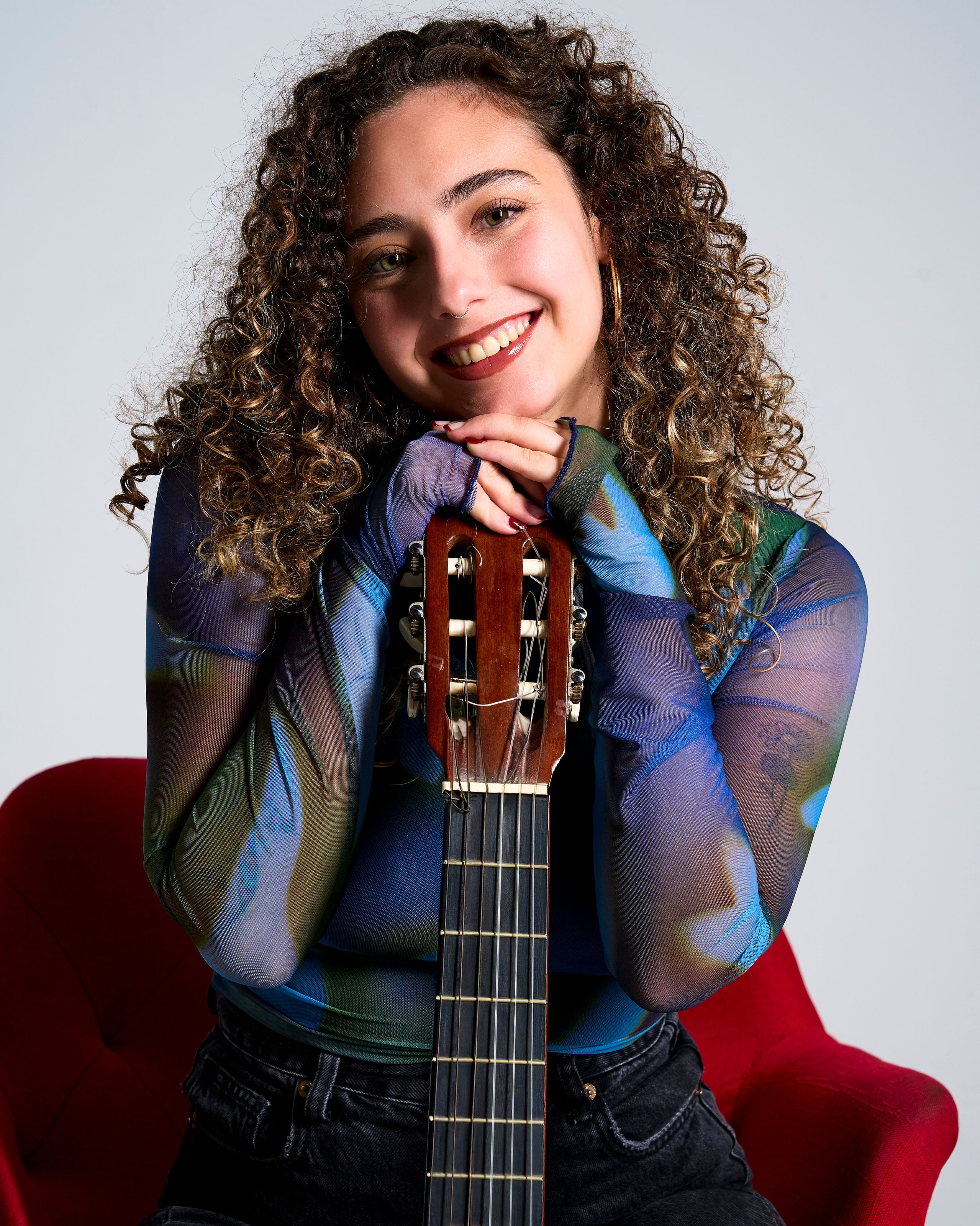
Alizza’s music does not seek quick answers or instant emotions. Her sonic universe is built as an intimate space where vulnerability, clarity, and a sense of calm learned over time coexist. Based in Madrid, the artist has been carving out her own path within alternative pop, guided more by intuition and emotional honesty than by genre rules or industry numbers.
In her recent releases such as Florecer and Se Acabó, Alizza explores new ways of looking at the world — from personal acceptance to concern for the future of the planet. Her music does not impose messages, but rather invites the listener to feel, to pause, and to inhabit the safe space she herself strives to create.
If we imagine your songs as an architecture of emotions, what kind of “layout” would you like to create in an album that does not yet exist? What emotional journey would you want the listener to experience from beginning to end?
I imagine that non-existent album as an emotional journey that begins in darker, more vulnerable places, where wounds and doubt live, and gradually moves toward more open spaces. It is not a path of immediate happiness, but one of clarity and acceptance. I would like the listener to go through it from beginning to end and finish feeling lighter, as if they had understood something of their own.
Throughout your career, your music has moved from a more introspective melancholy to a brighter tone. What was the first thing that changed within you: the language of the lyrics, the shape of the melodies, or your way of being in the world?
I don’t think I changed; rather, I learned to write from a different place, beyond release or catharsis. These songs are born from looking with more calm and from knowing how to appreciate the beautiful and good things in life as well.
In what way do genre changes and sonic experiments help you understand yourself better as a person, and not only as an artist?
I have always followed what I feel, and music is no different. I don’t believe in genre limits: if a song asks me to go toward soul, or anywhere else, I follow it. Staying open is part of who I am as an artist.
During the recording of “Florecer” or “Se Acabó”, was there any strange or unexpected moment — a sound, a phrase, an accident — that did not make it into the final version but changed the direction of the song?
“Se Acabó” was built mostly on the go. I remember the whispers — at first nothing convinced us, but they ended up being one of my favorite parts of the song. It’s true that the track was defined from the very beginning; this song always felt different to us, and we knew we had to place it from a catastrophic point of view, looking toward the future.
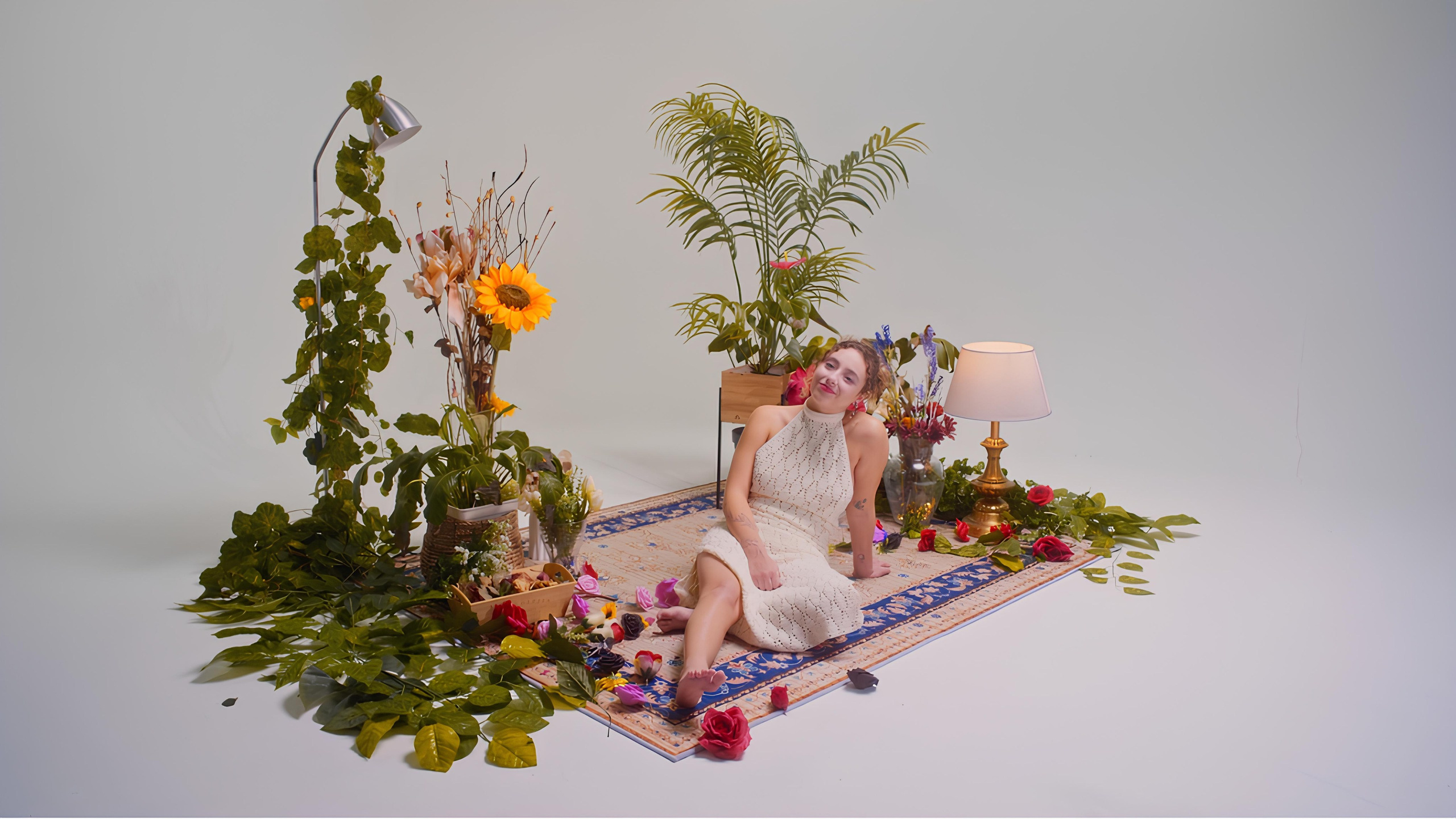
If your creative process were a room, what objects, notes, textures, or smells would be essential in it? Describe it in a way that can also be “heard.”
I would imagine it as a room that embraces you, with dim light, floral aromas, and warm colors that caress the eyes. The music would flow gently, filling every corner, and the warmth would feel like a hug that wraps around both body and soul.
“Se Acabó” reflects on climate collapse. If you could give each listener of that song one concrete action — not a feeling — what would it be?
That they learn to take care of the ship we live on, because there is only one…
Spain is full of cultural layers and musical traditions. If you could take one element from Spanish musical tradition and integrate it into a fully contemporary pop project, which would you choose and why, even if it’s not the most obvious one?
I’m interested in its ability to convey raw and deep emotion, that intensity that goes straight through the soul. Integrating it into an alternative pop project would make it possible to create a powerful contrast…
What word or metaphor would you use to describe your path from your first song until today, and why wouldn’t it be “process” or “evolution”?
Resilience.
How do you perceive the difference between the emotional stories you share with the public through your songs and the ones you tell only to yourself in silence?
I think I show myself quite vulnerable in my songs, very transparent with my own thoughts. We all have doubts, and sometimes we wonder what might be more appealing or what others might identify with more, but in the end I always end up doing what I truly feel is mine.
If you could rethink the music industry as an artistic ecosystem rather than a commercial system, what would you change first so that artists could create more and compete less?
The numbers.
Tell us about a moment experienced outside the stage or the studio — something seemingly unrelated to music — that you later realized had silently influenced one of your songs.
Almost everything I live and feel ends up being reflected, in one way or another, in my music. I believe every musician, or any artist in general, pours their stories into their art, and that is the beautiful thing: every work carries something personal and unique within it.
Imagine that a fan of yours writes a book about how your music has influenced their life. What would you like to appear in the most intimate chapter — the one people usually don’t dare to tell?
I would love for whoever listens to my music to feel in a safe place. I think that’s the most important thing for me — that they identify with what I sing and feel free to feel exactly what they feel.
To close, if you could give our readers not advice, but a formula for listening to music in a way that changes how they see the world, what elements would that formula include — somewhere between mathematics, magic, and emotion — so that they feel inspired to create something of their own afterward?
I don’t think a perfect formula exists; everyone has their own way of understanding music and, above all, of feeling it. It goes beyond theory and what is tangible. The beauty lies in letting yourself be carried away, immersing yourself in every note and every silence, following whatever captures your attention, and staying in that space that makes you feel, think, and truly live.
Interview: Andrey Lukovnikov