
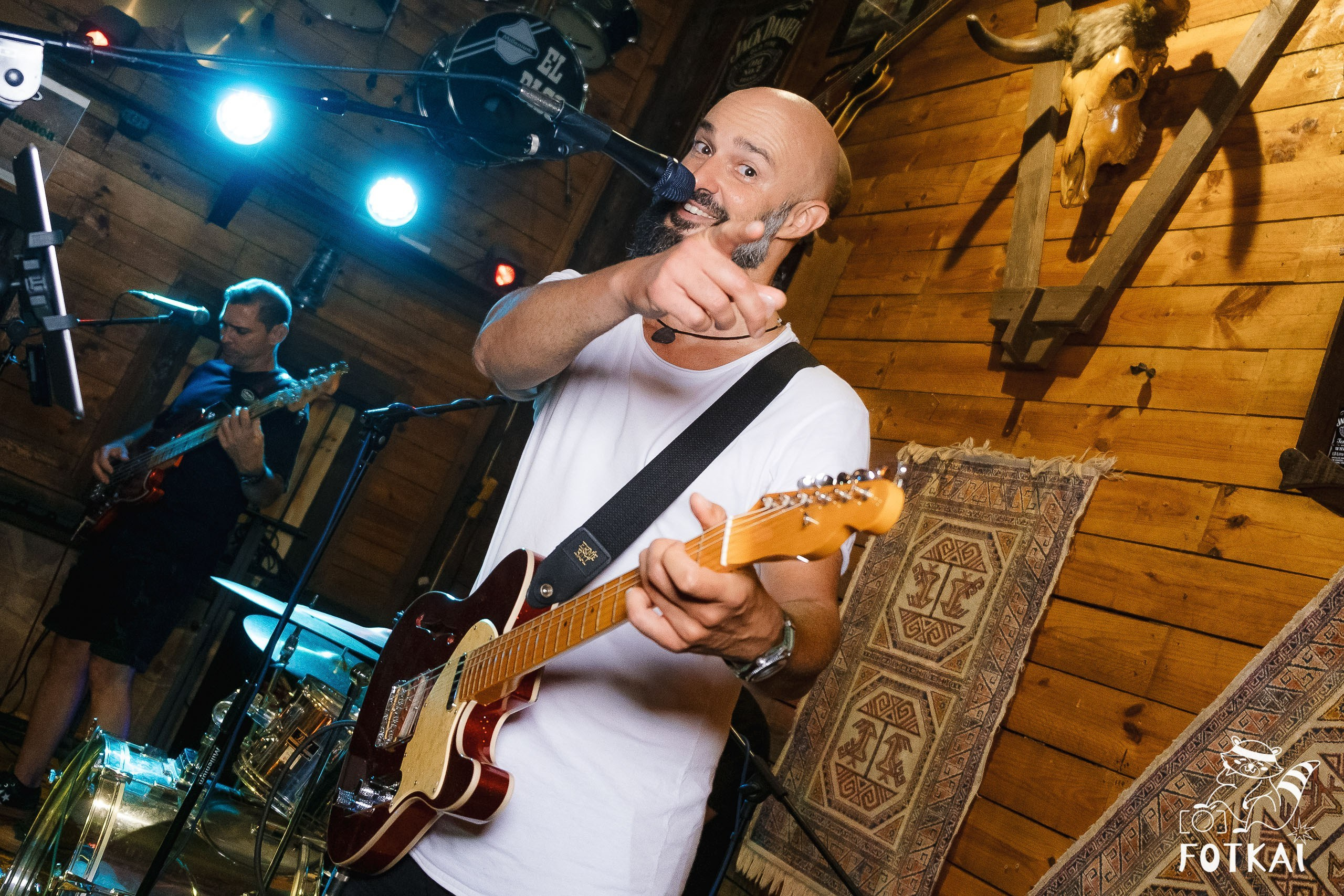
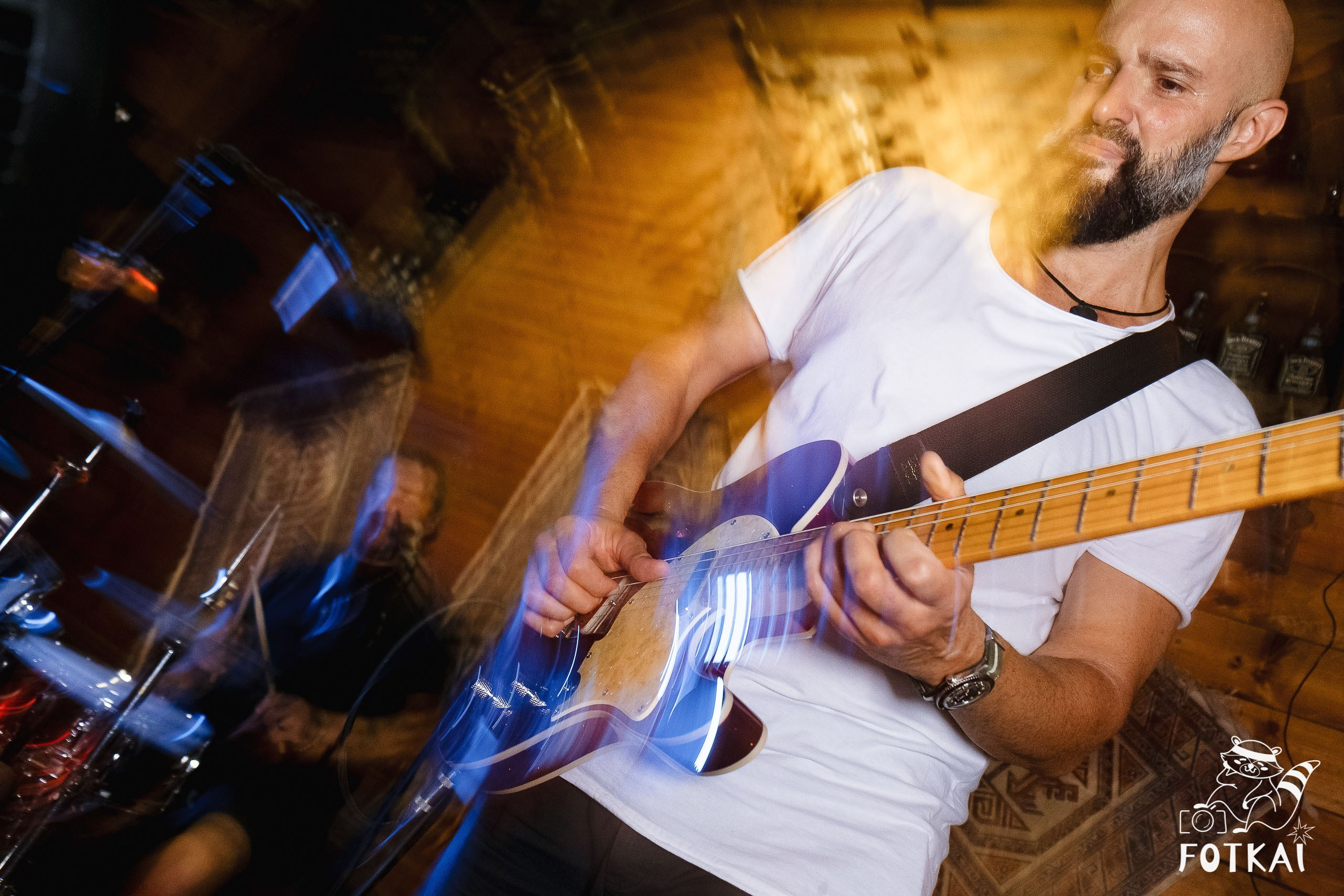
Hero of the Week:
Boyan Hristov: Music as a Language of Freedom and Authenticity
Musician and producer Boyan Hristov, originally from Bulgaria and a graduate of Berklee College of Music, has performed across the globe blending soul, funk, Latin, and R&B. In this exclusive FOTKAI interview, he shares his thoughts on music education, creative freedom, and the transformative power of art.
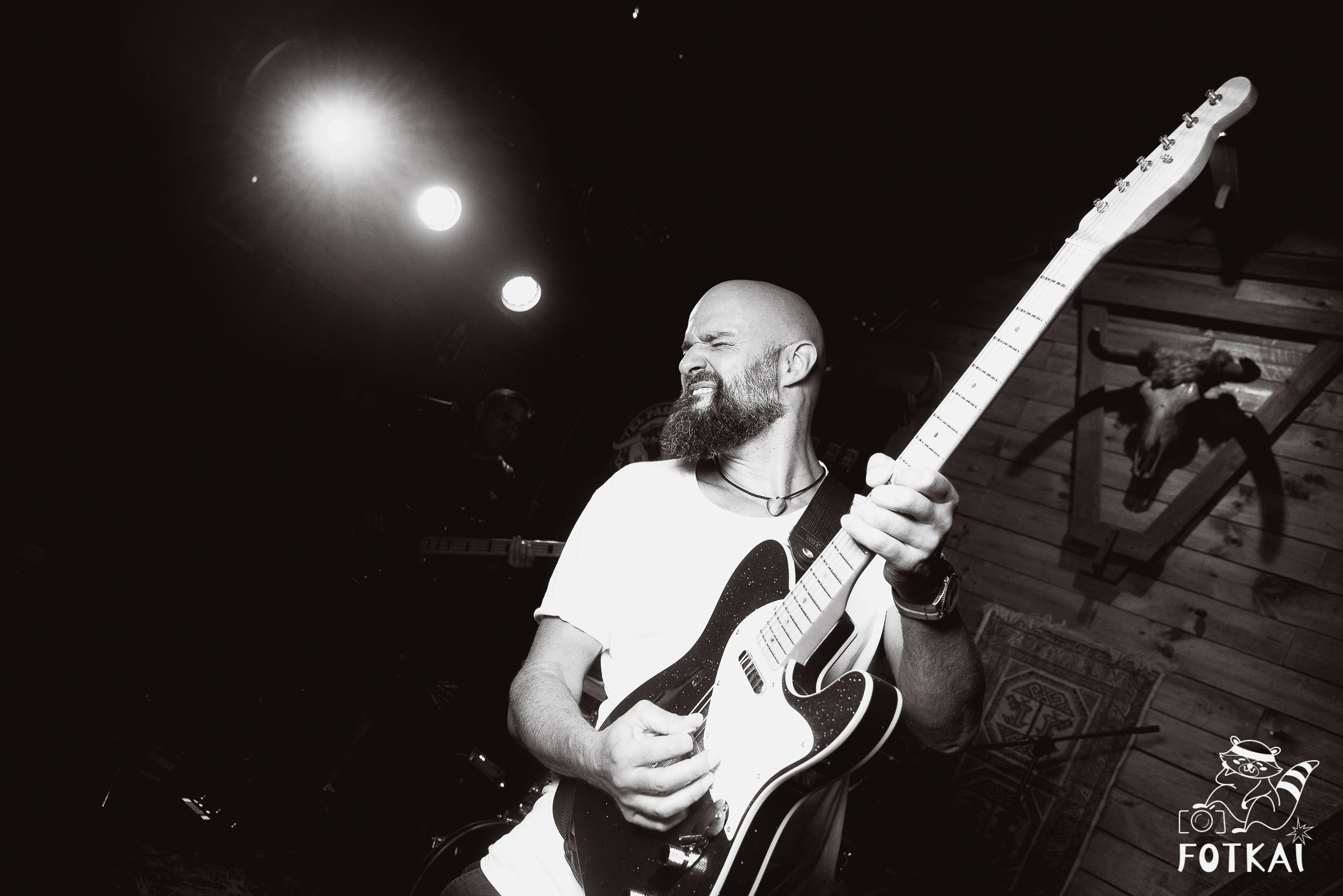
Your album “Vitamin for the Soul” blends elements of soul, funk, Latin, and R&B. How do you define your musical style, and what matters more to you — genre identity or the emotional impact on the listener?
Emotional impact, of course! Music should be good. Style/genre doesn’t matter in general, though not all genres are created equal. Rap was pushed by the CIA and certain industries so you know it’s detrimental. It should be easy to see and yet few see it. Don’t feed your soul bad stuff — you ARE what you eat!
You graduated from the prestigious Berklee College of Music in Boston. How has this education influenced your musical philosophy and your approach to composing?
My education is an ongoing process — most people assume it ends when you walk out of a building with a paper in your hand. That’s utter nonsense and I can assure you most educational institutions today do little to actually educate. Education is your personal responsibility and I take it very seriously. Berklee was a small step on the way. I have formally studied music in three schools — it worked great for me — I know and have command over artistic concepts that are very exclusive and since I’ve devoted my life to music this is important to me. Learning the language of music is important but at the end of the day it’s the music you make that counts. You learn the alphabet, grammar, vocabulary and you start speaking, but it’s what you say and the impact of it that makes it good or bad. That’s for music too. Education has helped me do good better.
Your tours span multiple countries and cultures. What differences in the perception of music have you noticed around the world, and how does this influence your performance and repertoire?
English speaking countries and people relate much better to what I do, even if music is a universal language and loved by most. Certainly audiences are not created equal. My favorite are White Americans — they know the music, the language, they are not shy to dance, and they are in the elite minority that tips! I’ve lived on three continents and have played to all types of people. I’ll take white Americans over everybody else any day!
You’ve also worked as a musician on cruise ships. What are the main differences between performing at sea and performing on land, and what unexpected moments have occurred during such shows?
The difference between boat gigs and land gigs is that when you’re on a boat for months at a time away from home it’s more like a regular day job — the bar is set very low when it comes to music — basically you have to show up on time and do what you’re supposed to. And do a ton of stupid trainings about how to wash your hands and smile, because you’re tossed in a tin can with people who may be seeing plumbing for the first time in their lives. If sea gigs were on land most businesses would go out of business — managers at sea are mostly incompetent when it comes to entertainment and they look at music and musicians the same way as the guy peeling potatoes in the kitchen — you’re part of a hotel operation, have a certain amount of hours you’re supposed to be on the clock, wether or not it makes any sense to be there. So most sea gigs you play for hours in front of nobody but the staff. For me it’s been an exercise in discipline because I hold myself to my own standard, regardless of circumstances. Music is a trade and I’ve used this time to work on my craft.
Too many stories to tell, but in short I’m glad I have been around the world many times over, and more than that, I have worked with every kind of person from everywhere you can think of. This kind of experience I think you can only get out there on a boat. I’ve noticed most musicians stay blind to the opportunity to open their eyes to the world — they just drink and get cynical for the most part. For me working on ships has been the most educating experience I’ve had in my life so far.
Through the Erasmus for Young Entrepreneurs program, you collaborated with Karsten Dines, CEO of Sound Matters. What key lessons about the music business did you take from this experience, and how has it shaped your career approach?
With Karsten’s help I learned how to plan better, a bit more of accounting and accountability, I learned to be more considerate of the other side on a business deal so I can create a win-win, and the experience solidified my belief that you have to create your own opportunity.
Your work spans performing, producing, arranging, and creating content. How do you balance creative freedom with the commercial demands of the industry?
Not content — music, art!
There is no industry for people like me anymore and zero demand for any of that stuff as a result. It’s great for someone like me. That means complete creative freedom when I create. Playing gigs is my job, which I keep separate from creative endeavors. I’m an entertainer and a craftsman as a professional, and an artist at heart and as a calling. You gotta pay the bills somehow. The piper also has to get paid.
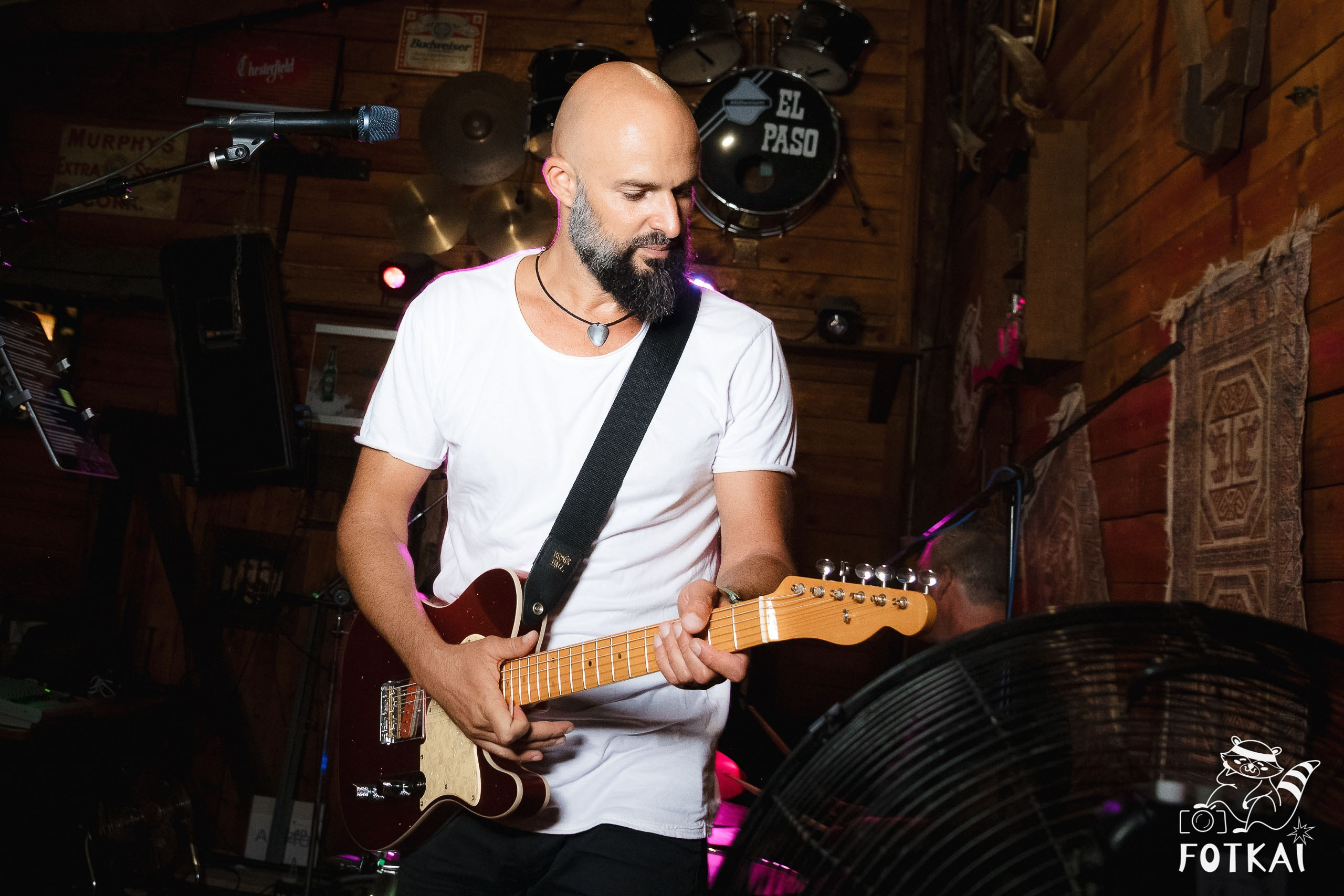
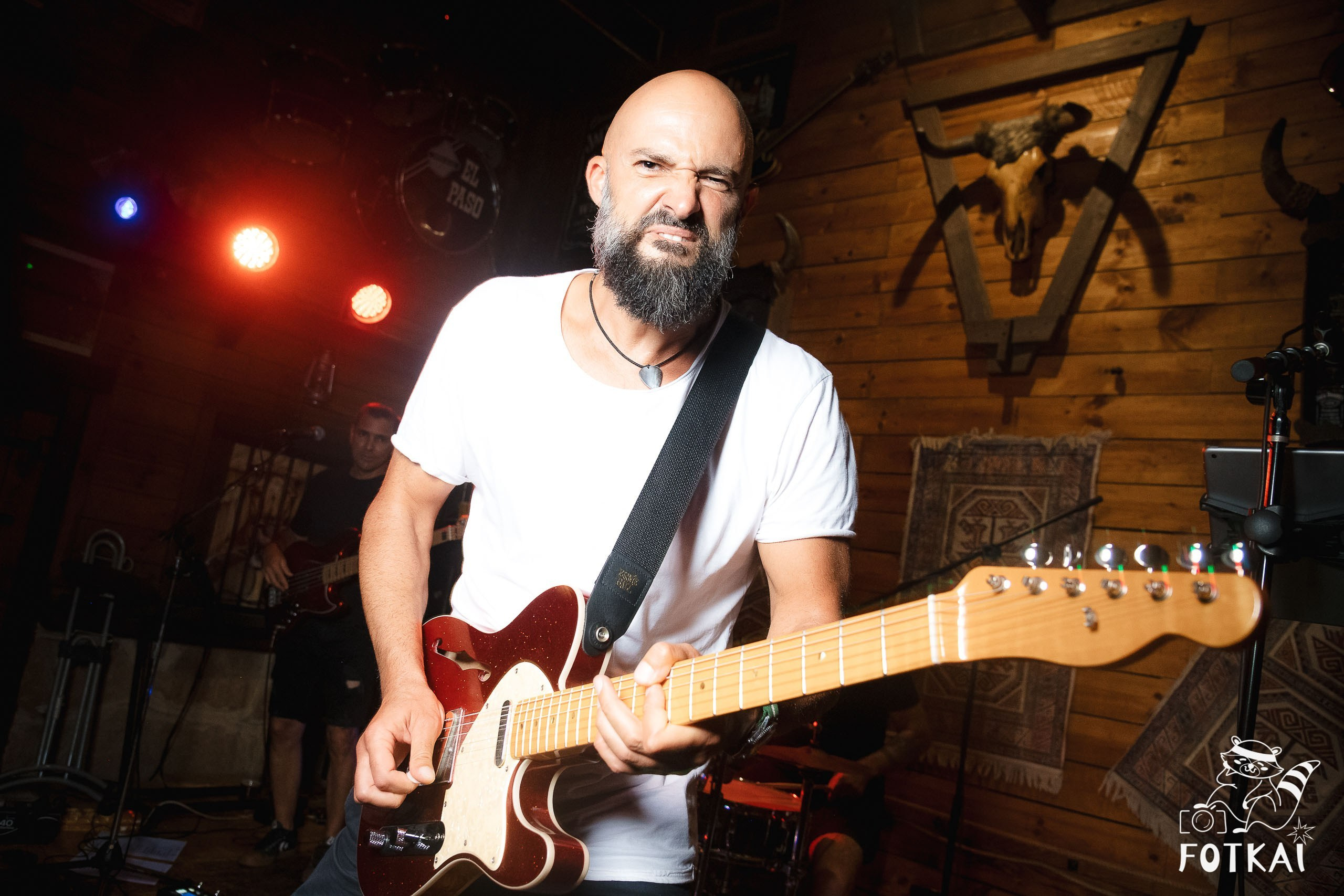
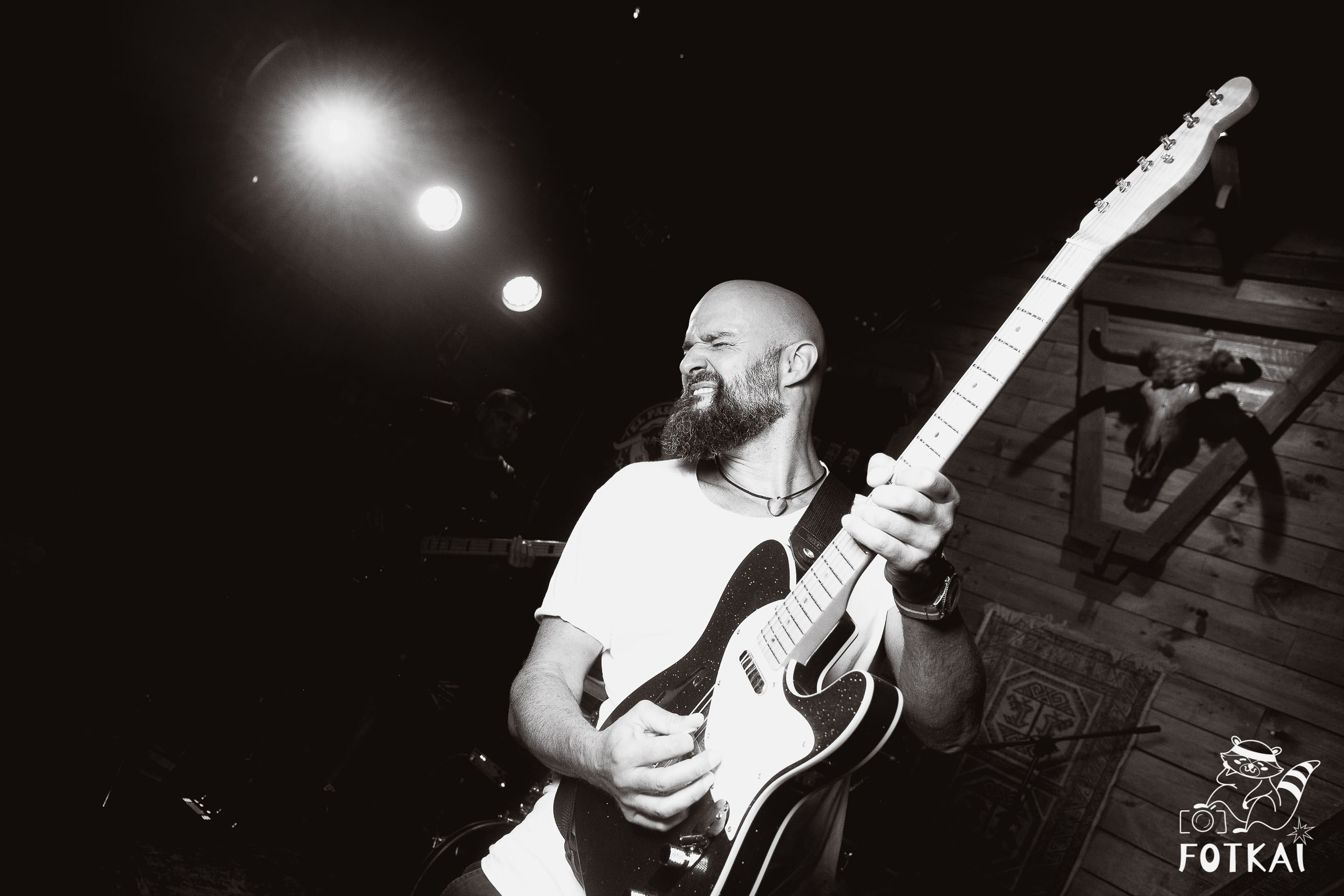
On your Instagram, we see not only musical videos but also concert photos. How do you perceive the visual aspect of music, and what role does it play in your creative process?
Pictures and videos on social media are necessary of course, but to me they are not the end, just a means to an end. The goal is to network and play/book/get gigs. The visual impact in music is huge. The way I see it is you have to look your best — respect for the audience and the craft. Your artwork should be beautiful and hopefully work well with the music. Being a musician I put the music first, but I think for most people visuals are most they perceive. Life goes on.
You’ve mentioned that music should bring joy. How do you maintain this perspective in an industry often driven by commercial interests?
Very easy — I take zero part or interest in the industry because no one wants someone like me in it and I never was or will be in it either: it’s corrupt, satanic, subversive, manipulative, run by the wrong group of people for the wrong reasons. Music should lift your spirit up. It’s very easy for me to maintain this perspective because it’s the natural way. Everything else just feels wrong and makes me sick.
What does MOST WNTD mean to you personally and artistically?
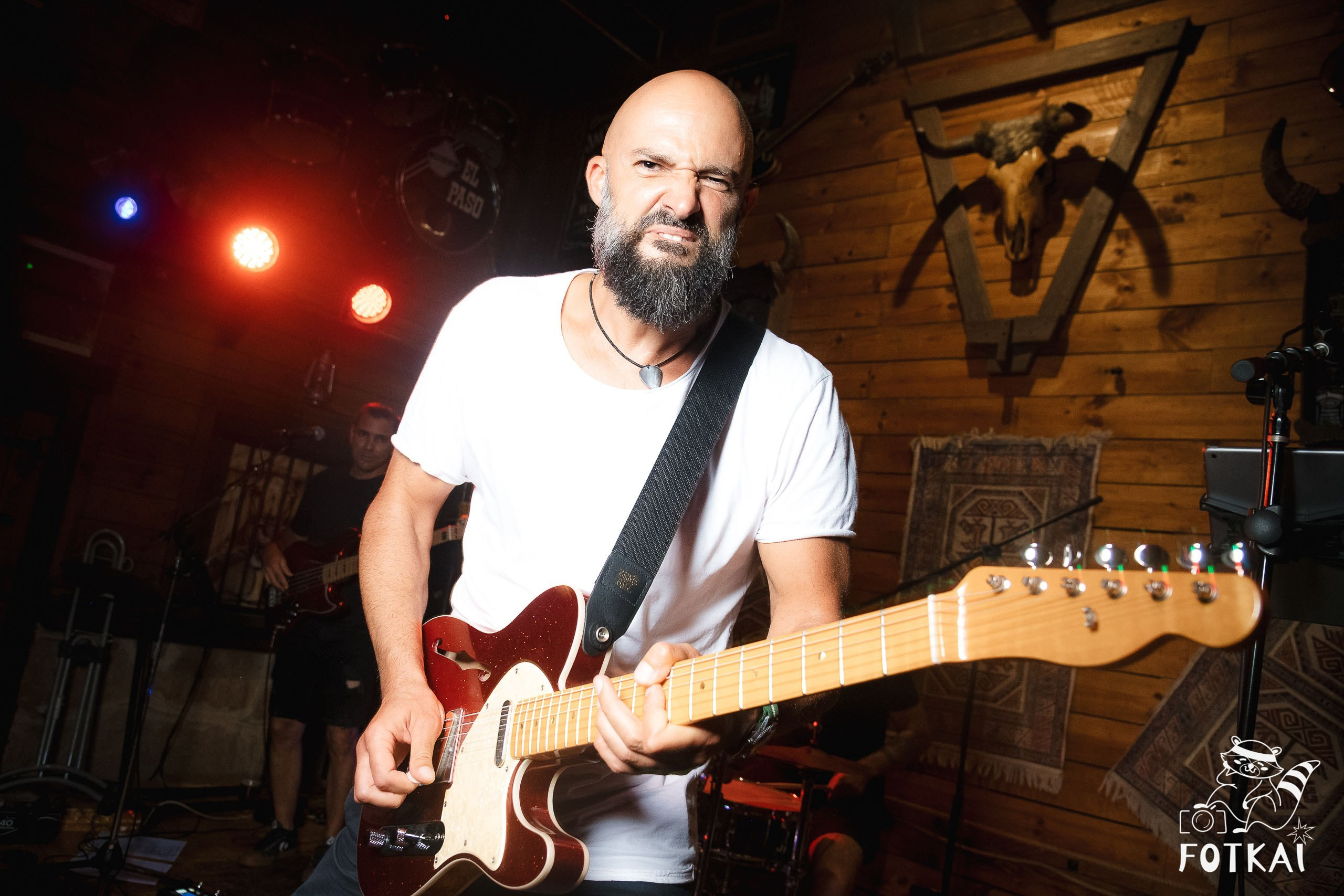
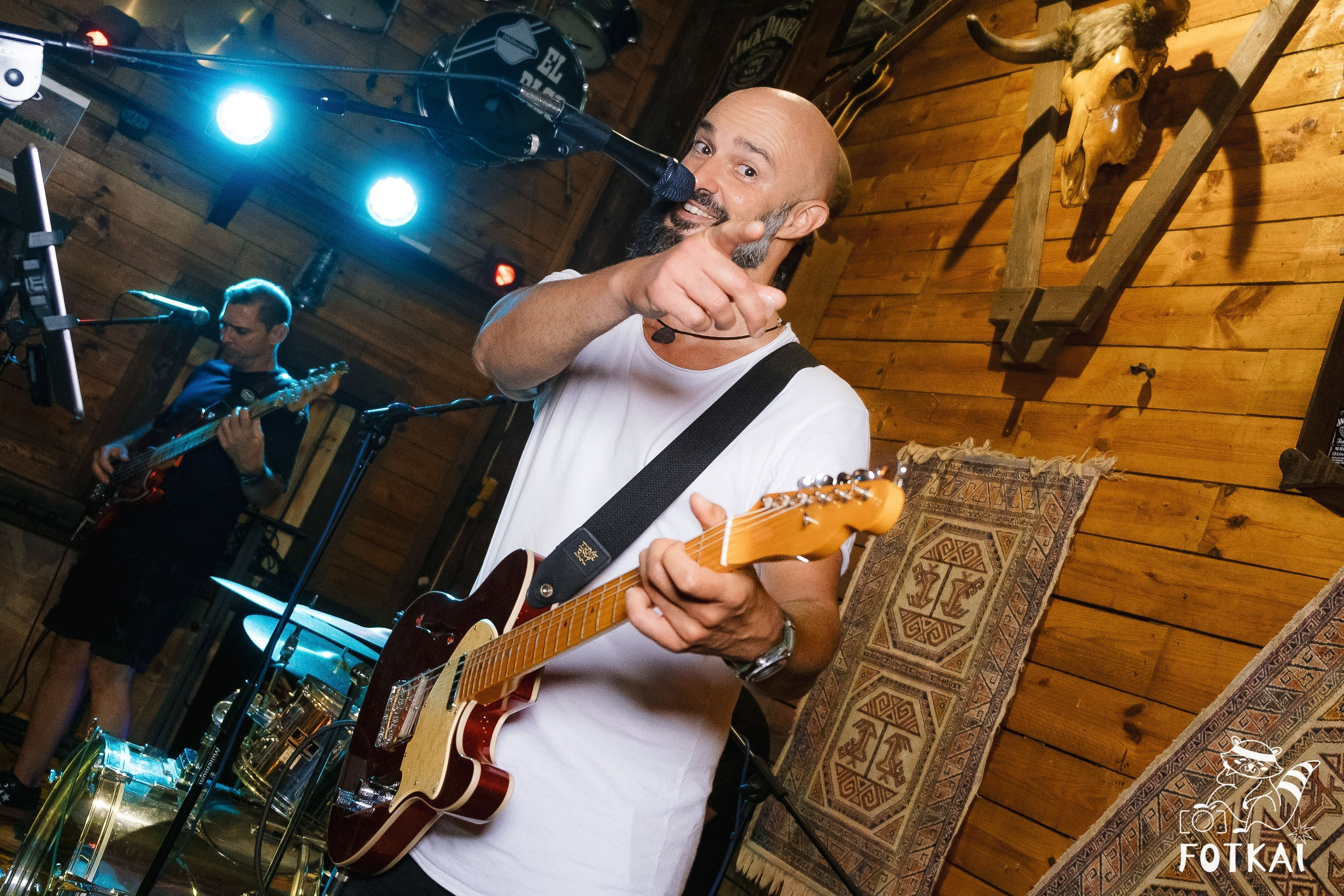
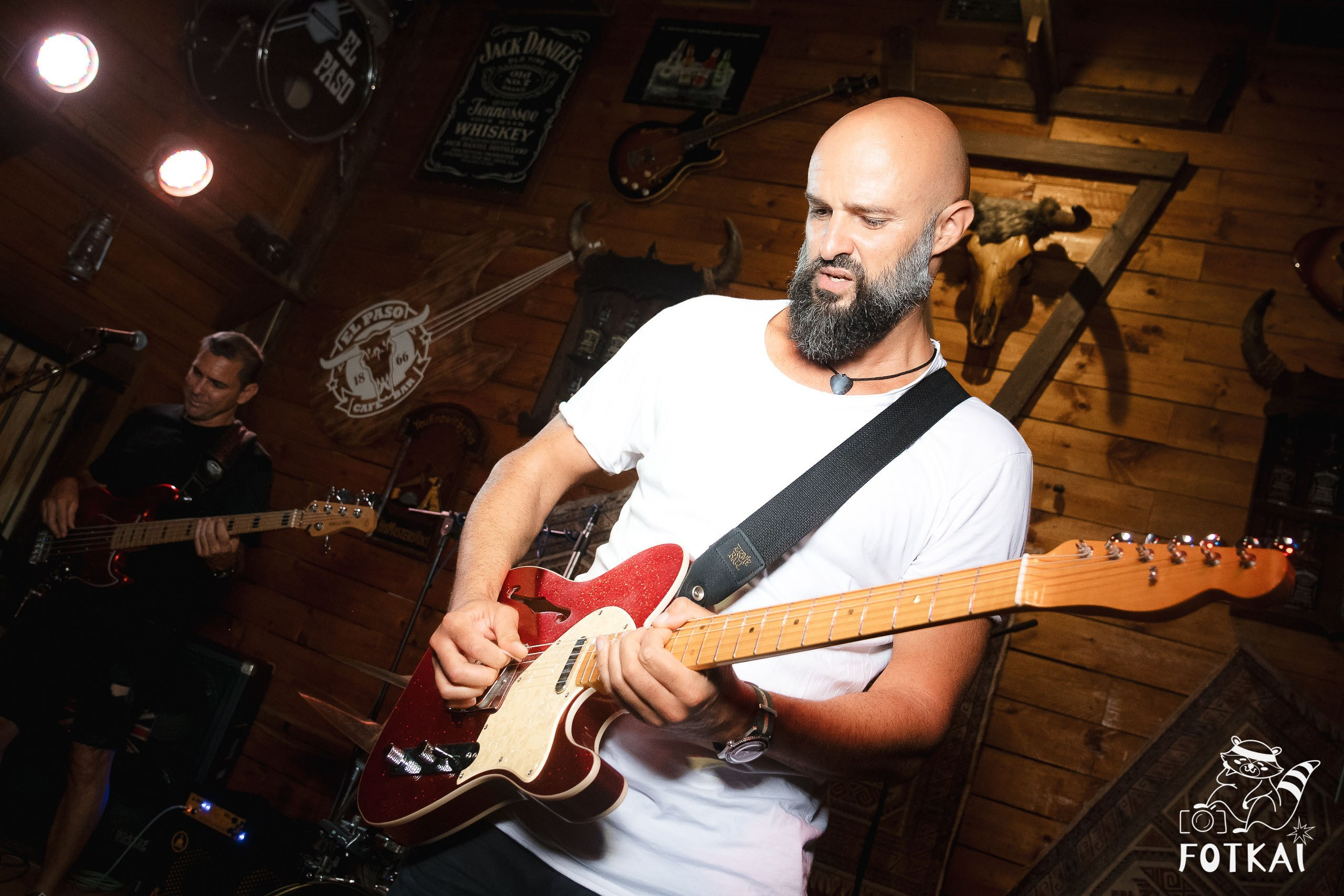
It’s a super fun hobby — playing fun music with the best guys I can get to do a gig with. I could do it every day. Come to a gig!
To conclude, what is your impression of FOTKAI and its effort to preserve the small yet significant moments in life and music?
You’re doing a tremendous job documenting life in a beautiful and meaningful way and I wish you all the best for the future and I hope to be part of it too. One day all this body of work will be an important document and I hope you get the recognition you deserve for it. Don’t count on it though and keep doing what your heart tells you is good. We’re in this together.