
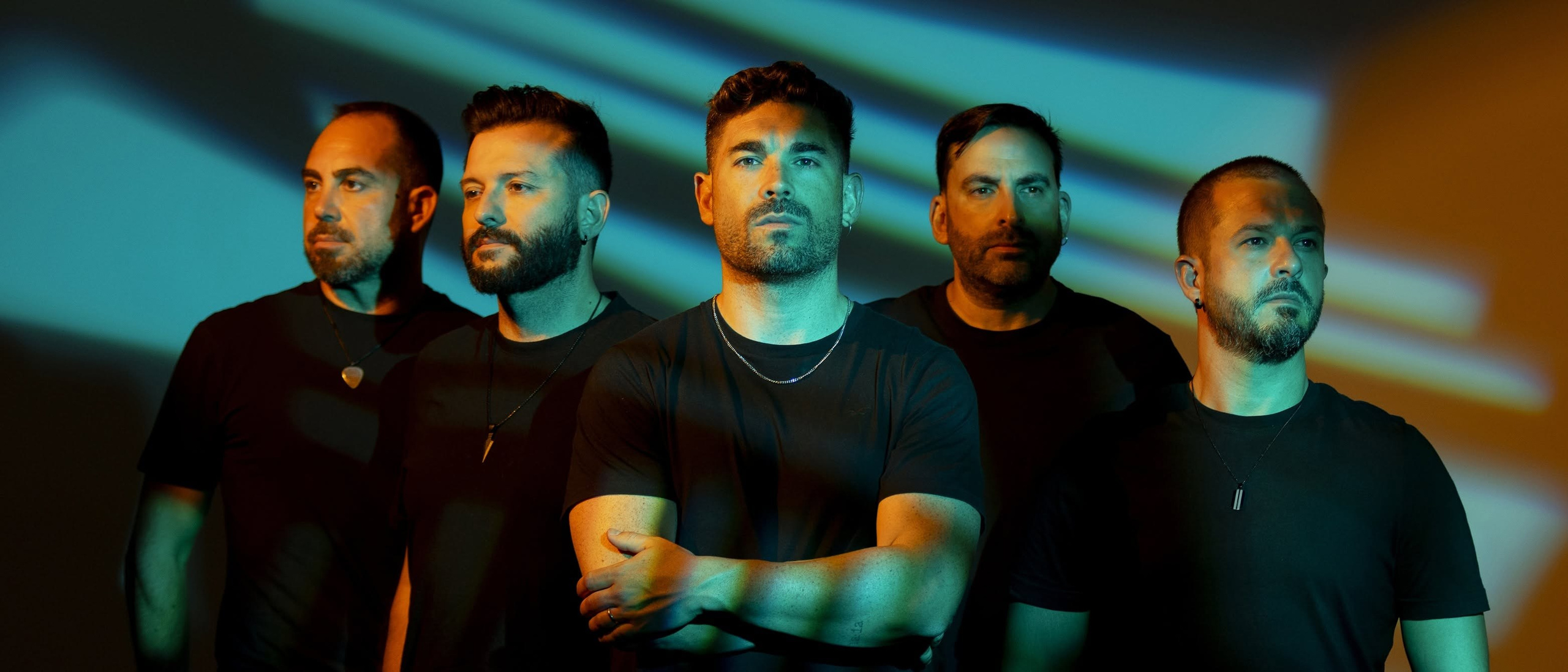
Diagnóstico Binario: “The journey is more important than the destination”
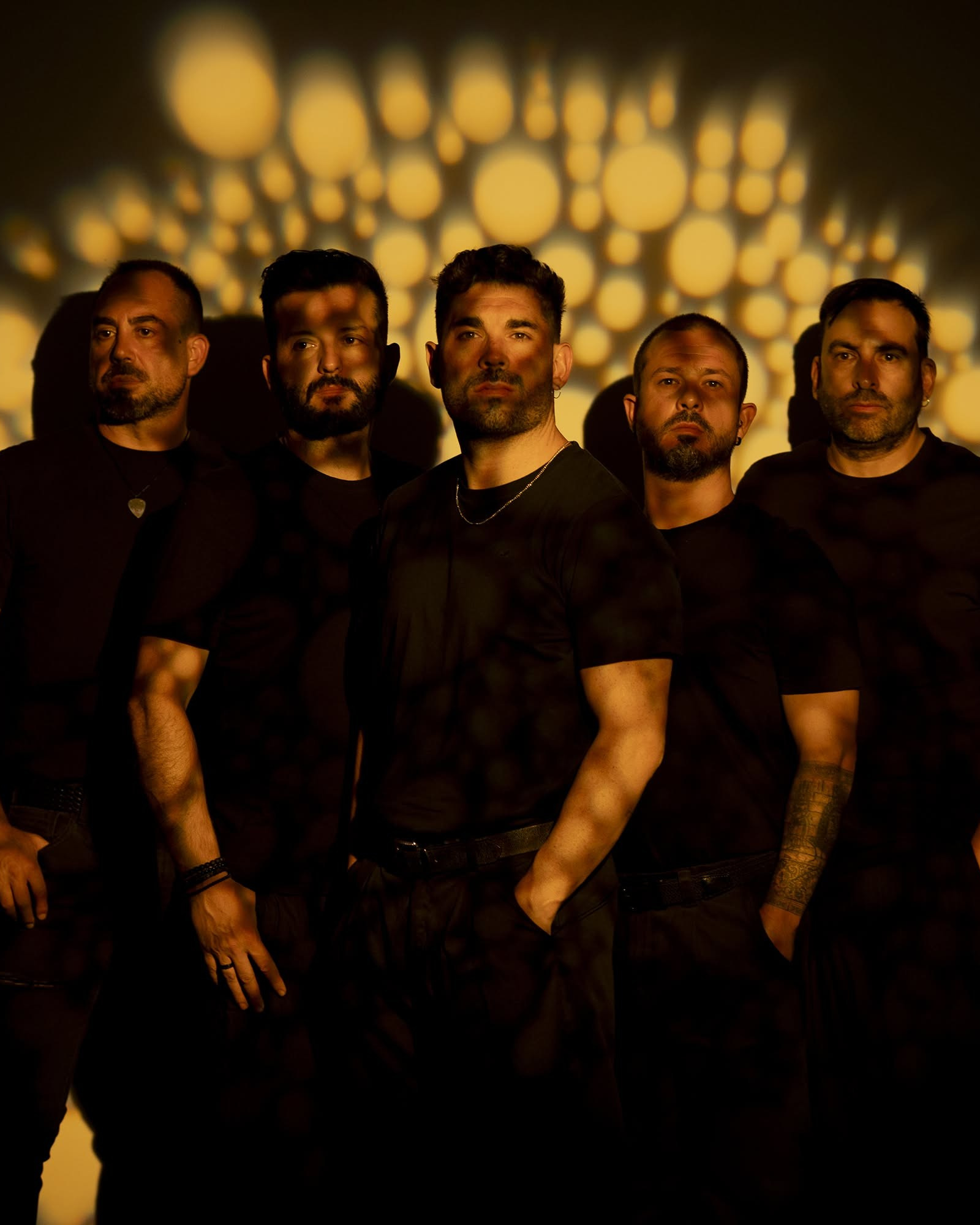
From Elche, Diagnóstico Binario have spent years building their own musical identity, combining guitars, energy, and a very personal approach to rock. Following releases such as Gesto perfecto, Asunto baladí, and Miscelánea, the band is entering a new chapter with Sinapsis, an album that reflects both their artistic evolution and the chemistry between its five members.
But what happens when five different personalities share the same project? How far are they willing to experiment without losing what defines them? In this interview, Diagnóstico Binario talk about their creative process, the differences that enrich the band, the limits of artificial intelligence, and those moments that never make it into concert photographs.
Far from the usual clichés, we take a closer look at the inner workings of a band that champions the value of the journey, creative freedom, and, above all, the irreplaceable experience of live music.
If Diagnóstico Binario were a riddle, what would be the hardest thing for you to figure out about yourselves after so many years as a band?
It’s something very difficult to answer because, as you rightly say, all these years have allowed us to get to know each other very well and understand each other’s strengths and weaknesses. Perhaps, if we had to say what would be the hardest thing for us to figure out, it would be the limits each of us would set when it comes to experimenting with our musical style.
Has a song ever ended up being so different from the original idea that you felt it no longer belonged to the person who wrote it?
It happens almost every time. For a song to be considered finished, it has to go through many stages. The first stage is something very raw, acoustic, and with slower tempos, which later transforms into something much more rock-oriented and energetic.
If you had to remove one song from Sinapsis to completely change the way people perceive the album, which one would you choose and why?
It’s impossible to remove any song from the album. We’ve always been very clear about making songs that aren’t just filler. Each track is just as important as the others, so if you’ll allow us, we wouldn’t remove any song from Sinapsis. It’s such a carefully thought-out album that removing just one song wouldn’t change its overall perception.
If you could record your next album anywhere in the world, what would you take with you from Elche, and what would you leave behind?
We would take with us the memories of its streets and its people. It has an incomparable vitality. We would leave behind the scorching heat of August.
What idea about music that you firmly believed in at the beginning of your career have you completely abandoned?
That the end justifies the means. At the beginning, we thought we had to do absolutely anything to get far, but over time, we’ve realized that the journey is more important than the destination, and that it’s along the way that you truly learn the most meaningful things about music.
If each of you could make all the band’s decisions for one day, what would be the first thing you would change?
I would change the stability and tranquillity. It’s difficult for a group of five people to understand each other and make decisions. We need to weigh our decisions very carefully before taking the next step. Musically speaking, though, we have very clear ideas and have managed to connect in a very special way. On a personal level, we’re very different. On the one hand, that gives the band a special touch, but on the other, without that process of reaching a common understanding, we could be a different band every day.
What’s a story from Diagnóstico Binario’s history that you’ve never told in an interview but deserves to be remembered?
We’ve never talked about what happens in our dressing room before going on stage, our rituals, or certain anecdotes from our previous tour. There are plenty of stories worth telling, but what happened on tour, and what happens in the dressing room, stays in the dressing room.
What musical experiment would you like to try, even if it meant risking everything your audience recognizes you for?
We’d love to switch instruments and roles halfway through a gig. It would be hilarious to see Antonio playing the drums, Dani playing bass, David singing, and Alex and Javi playing percussion. That would change the way our audience sees us, but we promise we’ll never do it.
If artificial intelligence could compose a song identical to yours, what do you think would still distinguish your music from its own?
Artificial intelligence will never be able to replace human intelligence in everything related to culture. Patterns can be learned, and certain musical arrangements can be copied, but we believe that art is about heart and originality. That’s why we hope our songs will never be replaced by AI.
What part of your lives as musicians do you refuse to turn into social media content, even if doing so could give you greater visibility?
We’re not a band that uses what happens in our personal lives for the band’s social media accounts. We’re very clear about that, and we’ll never go down that road. We tend to share all kinds of things, but only those related to our musical career.
Has a fan ever told you what one of your songs means to them and made you discover something you didn’t even know you’d written?
Yes, and we really like that. We write songs about problems, feelings, and anecdotes that are often personal. However, we love it when people make those songs their own and use them to express their feelings or overcome their fears.
If a photographer could capture just one moment in your history, but wasn’t allowed to photograph you during a concert, which moment would you choose?
Our moments in the rehearsal room. That’s where everything begins, and where we make many of the band’s most important decisions. It’s our second home and a very special place.
Thank you very much for sharing this time with us. To finish, what idea or question would you like to leave in our readers' minds, something that would stay with them even after listening to your music?
We’d like to leave them with the following idea after they’ve listened to our music: “You need to see this band live; I have to experience their music at its fullest, and the best way to do that is to see them perform live.”


