Cartagena: How an Ancient Port Unexpectedly Became Spain’s New Capital of Rock and Metal
Ask someone who has never visited Spain which cities they associate with music, and you will almost always hear the same answers: Madrid, Barcelona, and Ibiza. These are the names most commonly linked to the country’s music scene. Cartagena, on the other hand, rarely enters the conversation. That may seem surprising, considering this city of just over 220,000 residents is best known for its more than 2,000 years of history, its magnificent Roman Theatre, its naval heritage, and one of the Mediterranean’s finest natural harbors. At first glance, everything here seems to speak of the past. Yet it is precisely in Cartagena that one of the most compelling musical stories in modern Spain is unfolding.
Over the past few years, Cartagena has become a destination for thousands of rock and metal fans from across Europe. This transformation did not happen by chance, nor was it the result of a single successful marketing campaign. The city’s musical reputation has been built gradually through a genuine commitment to live music, outstanding event organization, and a determination to create its own identity rather than imitate Madrid, Barcelona, or Europe’s established festival capitals. That is why Cartagena is increasingly mentioned among Spain’s great music cities, even if it still remains something of a hidden gem.
When History and Guitars Share the Same Stage
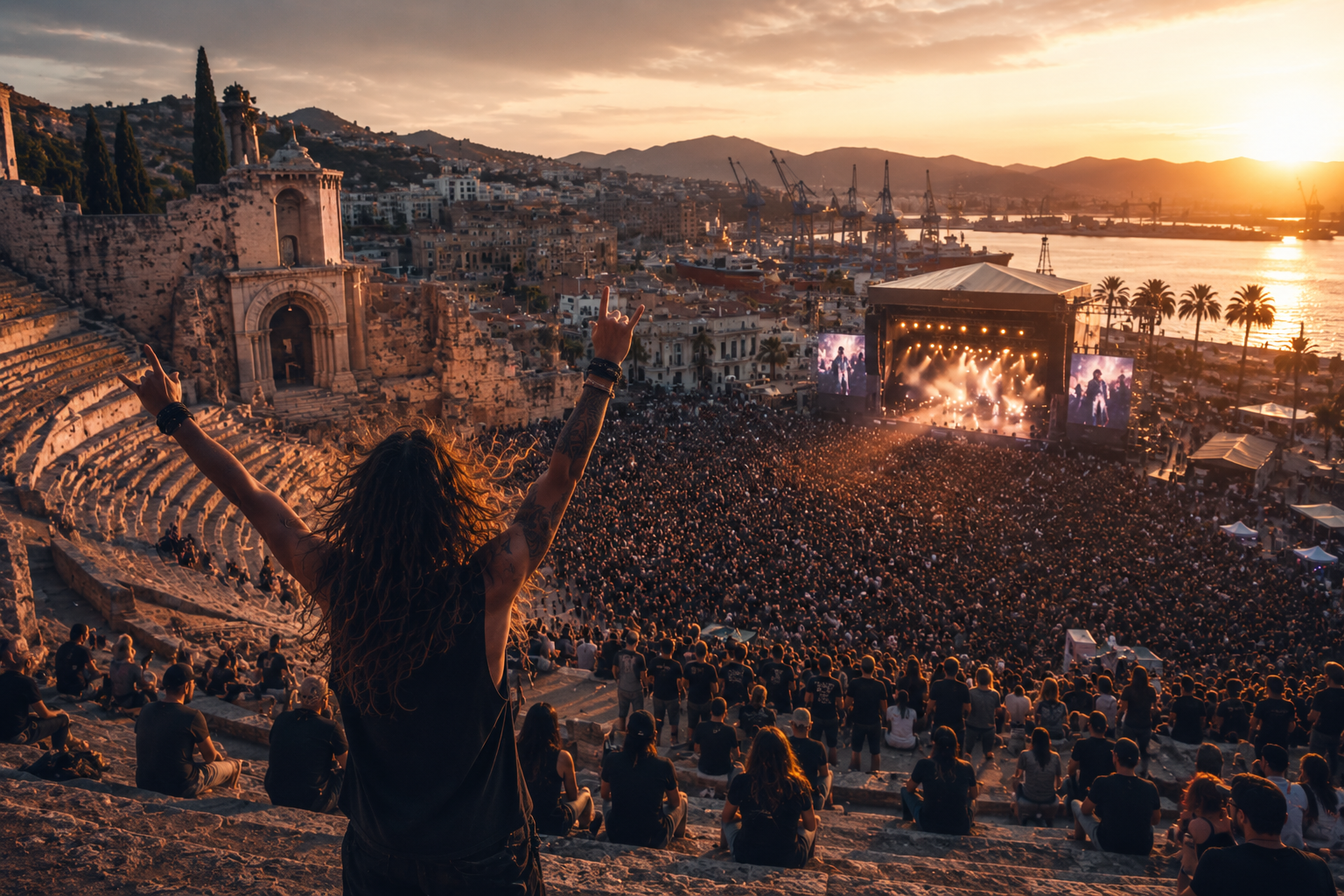
Some cities treat music as an addition to their historic landmarks. Cartagena does the opposite. Here, music feels like a natural continuation of the city itself. In the morning, visitors stroll through streets first laid out by the Carthaginians, explore the beautifully preserved Roman Theatre, and admire panoramic views of the harbor from centuries-old fortresses. By evening, the atmosphere changes completely. Squares begin to fill with people wearing Iron Maiden, Judas Priest, Scorpions, and Blind Guardian T-shirts, bars buzz with conversations about the night’s performances, and the historic center comes alive with the unmistakable sound of electric guitars.
It is this contrast that makes Cartagena unique. The festival does not exist apart from the city, as is often the case with large outdoor events held far from urban centers. Instead, music becomes part of everyday life, transforming Cartagena for several days into a place where ancient history naturally coexists with contemporary rock culture.
The Festival That Changed the City’s Reputation
The driving force behind this transformation has been the Rock Imperium Festival. Launched in 2022, it has grown in just a few years from an ambitious newcomer into one of Spain’s leading rock and metal festivals. Each edition brings together artists who, until recently, could only be seen at Europe’s biggest rock events.
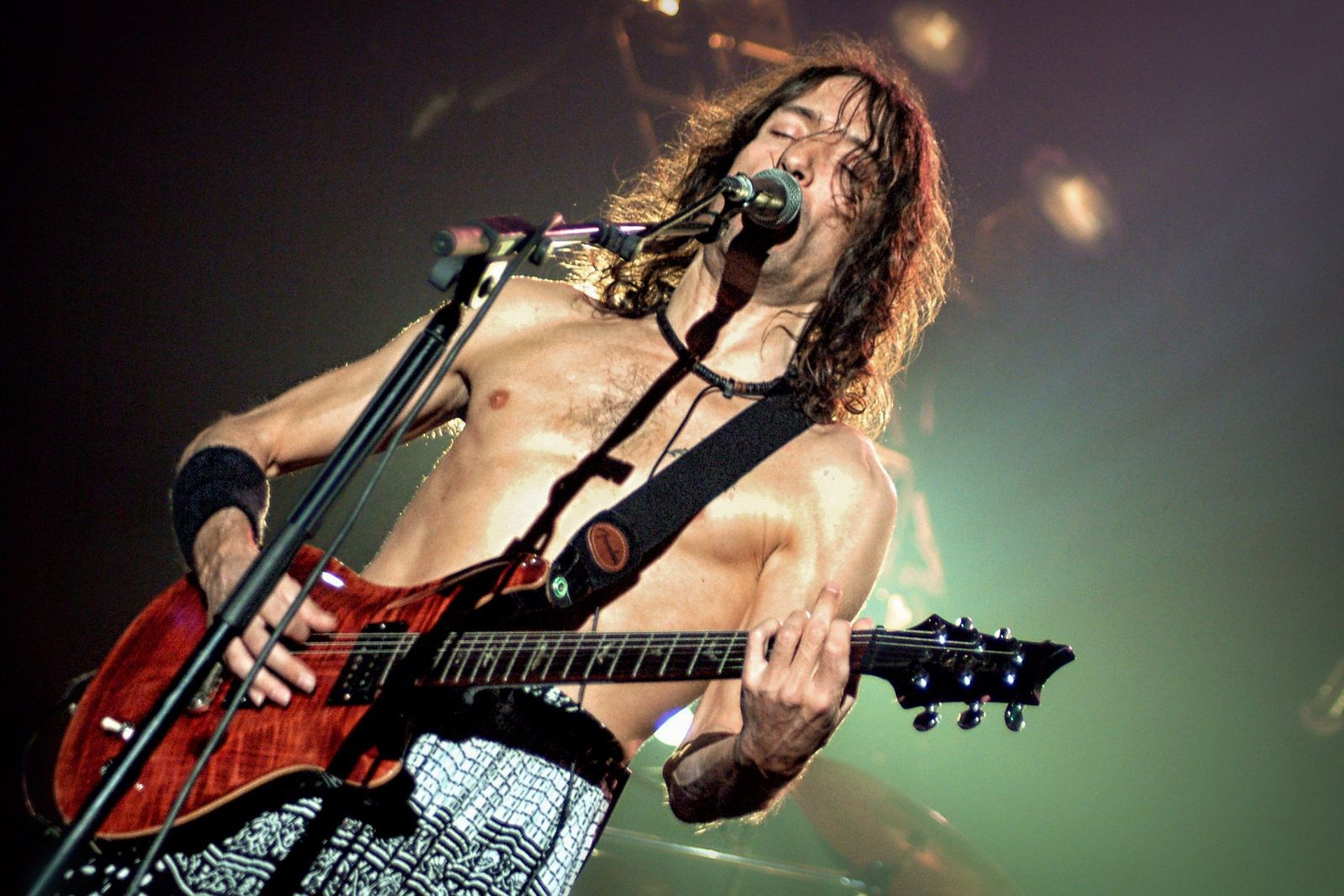
Its stages have already welcomed Scorpions, Deep Purple, Kiss, Helloween, Europe, Blind Guardian, Within Temptation, In Flames, Emperor, Saxon, Accept, Uriah Heep, and many other legendary names that helped shape the history of rock and heavy metal. For fans of the genre, Cartagena has unexpectedly joined the ranks of European destinations worth traveling to specifically for live music.
Yet the success of Rock Imperium is about far more than an impressive lineup. Europe has no shortage of festivals featuring world-class artists. What truly sets Cartagena apart is the way the festival blends seamlessly into the city’s daily life. Once the concerts end, audiences do not disappear to remote campsites outside town. They remain in the historic center, stroll along the waterfront, dine in local restaurants, gather in neighborhood bars, and continue talking about music well into the night. As a result, the festival atmosphere extends far beyond the stages and spreads throughout the city itself.
Why Cartagena?
At first glance, Cartagena’s success might seem like a fortunate coincidence. A closer look, however, reveals a clear and deliberate strategy.
Cartagena has never tried to compete with Madrid for the title of Spain’s music capital. The city has not built its reputation around major record labels, television productions, or national radio networks. Instead, it has spent years investing in cultural infrastructure, performance venues, and high-quality concerts, believing that live music was the strongest foundation for building a new identity.
That approach has proven remarkably successful. While many festivals compete simply by becoming bigger, Cartagena has focused on delivering a richer overall experience. Here, the journey does not end when the final encore is over. The city itself becomes part of the performance, turning every concert into something far more memorable than a night of live music alone.
A City Where Music Continues Long After the Festival Ends
It would be a mistake to think that Cartagena’s musical life exists only during Rock Imperium. In reality, the festival could only emerge because the city had already developed a vibrant cultural scene throughout the year.
One of its most important venues is the Auditorio y Palacio de Congresos El Batel, which hosts symphonic performances, jazz concerts, rock shows, contemporary productions, and national and international tours year-round. Alongside it, smaller festivals, cultural programs, and performances by Spanish artists help keep Cartagena’s live music scene active well beyond the peak tourist season.
This continuity is what distinguishes cities with genuine musical identities from those that rely solely on a single annual event.
A City That Keeps Calling You Back
Musicians often say that a great concert depends as much on the audience as it does on the stage. In Cartagena, that idea becomes especially clear. Most people travel here with one purpose in mind: to experience the music. There are far fewer casual visitors than at many resort-based festivals, creating an atmosphere that feels more engaged, more passionate, and more authentic.
Artists notice the difference as well. Many international performers describe playing in Cartagena as more than simply another stop on a European tour. They see it as an opportunity to perform for audiences who have made the journey specifically to hear live music. Perhaps that is why so many bands are eager to return.
A Small Port That Found Its Own Voice
What makes Cartagena’s story so remarkable is that it follows a completely different path from Spain’s other musical cities. Madrid remains the heart of the country’s music industry. Barcelona is closely associated with the independent scene and major international festivals. Ibiza continues to define global electronic music culture.
Cartagena chose another direction entirely. It never tried to become “the next Madrid” or “a new Ibiza.” Instead, it built its own musical identity around a deep appreciation for live performances, a thriving festival culture, and the extraordinary character of its historic setting.
Cartagena may never become Spain’s largest music hub in the traditional sense. The country’s biggest record companies are not based here, and national music trends are not born in its streets. Yet that is precisely what makes its success so compelling. It was built not on size or industry influence, but on years of dedication by people who transformed an ancient Mediterranean port into one of the most exciting destinations on Europe’s live music map.
And judging by the way Cartagena’s music scene continues to grow, this story is only just beginning.