Madrid: The City That Hears All of Spain’s Music
When foreigners think of Spanish music, other places usually come to mind first. Barcelona is associated with festivals and the indie scene, Ibiza with electronic music, and Andalusia with flamenco. Even Benidorm, thanks to its numerous music events, has long secured its place on the country’s concert map.
Madrid is rarely the first city people think of in these conversations. And that is precisely what makes it one of the most interesting paradoxes in Spanish musical culture. Although the capital has never been identified with a single defining genre, it has remained the center of the country’s musical life for decades.
The reason is not simply that Madrid hosts more concerts than other cities. Nor is it only because the headquarters of major record labels, radio stations, and concert promoters are located here. Madrid’s true distinction lies elsewhere: it has become the place where nearly every musical current in Spain eventually converges. Rock from the Basque Country, indie from Catalonia, electronic music from Valencia, flamenco from Andalusia, and artists arriving from Latin America all find their way here.
That is why it is impossible to tell the story of Spanish music without also telling the story of Madrid.
The City That Learned to Be Free
Madrid’s modern musical identity began to take shape in the late 1970s. Following the death of Francisco Franco, Spain underwent a period of rapid transformation, and the country’s cultural life changed along with it. For a generation that had grown up under censorship and restrictions, music became one of the most powerful ways to express a newfound sense of freedom.
Out of this environment emerged La Movida Madrileña, a cultural movement that would later become one of the defining symbols of modern Spain. Today, La Movida is often described as a musical phenomenon, but in reality it was much more than that. It was a period during which new bands, independent magazines, concert venues, artists, and filmmakers appeared simultaneously. It was within this atmosphere that groups such as Alaska y los Pegamoides, Radio Futura, Nacha Pop, and dozens of others began shaping what Spanish pop and rock music would sound like for years to come.
Yet the most important legacy of La Movida is not the artists themselves. Its real achievement was creating a culture in which musical experimentation became something natural. That spirit is still deeply embedded in Madrid today.
If You Want to Understand Musical Madrid, Start with Malasaña
No discussion of Madrid’s music scene would be complete without mentioning Malasaña.
For Madrid, the neighborhood plays a role similar to Camden in London or Greenwich Village in New York. It is here that one can best understand what makes the city different from many other European capitals. Within just a few blocks, historic rock bars, vinyl record stores, venues for emerging indie bands, and clubs where electronic music plays until sunrise coexist side by side.
Even today, walking through Malasaña remains one of the best ways to experience Madrid’s musical character. The neighborhood continues to be home to independent venues, record shops, and bars where conversations about music often seem just as important as the music itself.
In an era dominated by streaming platforms and social media, places like these are becoming increasingly rare. That is precisely why they matter more than ever.
Why Rock Never Disappeared from Madrid
If you looked only at Spotify charts, you might assume that rock has permanently surrendered its place to urban music, reggaeton, and contemporary pop. The reality of the city tells a different story.
Rock remains an essential part of Madrid’s musical DNA. Every week, local and international bands perform throughout the city, and many Spanish musicians still view playing in Madrid as a crucial milestone in their careers.
Much of this can be attributed to the city’s unique concert infrastructure. A young band can begin its journey at a venue like Sala El Sol, one of Madrid’s musical landmarks since the days of La Movida. A few years later, it may be filling La Riviera, and eventually performing at the WiZink Center, home to many of the world’s biggest touring acts. Few cities in Spain offer such a natural pathway for artistic growth.
That is one of the reasons Madrid’s rock scene continues to renew itself, despite decades of predictions about its decline.
The Metal Scene That Deserves More Attention
Outside Spain, the country is rarely associated with heavy music. Within Spain, however, the picture looks very different.
Madrid played a central role in the development of Spanish heavy metal during the 1980s, when bands such as Barón Rojo and Obús were drawing thousands of fans and helping define a distinctly Spanish metal scene. Later came groups such as Saratoga, Hamlet, and Mägo de Oz, all of which have become essential chapters in the history of Spanish metal.
What makes Madrid particularly interesting is that, unlike many European cities where metal gradually moved to the cultural margins, the genre has maintained a visible presence here. Perhaps that is because Madrid never developed strict boundaries between musical communities. Metalheads, rock fans, punks, and alternative musicians have shared the same venues and cultural infrastructure for decades.
Electronic Music as the Capital’s New Language
If rock helped establish Madrid as Spain’s musical center in the late twentieth century, electronic music has helped the city maintain that position in the twenty-first.
Over the past few decades, Madrid has become one of Southern Europe’s most important destinations for club culture. Major festivals, international DJ tours, and events that attract audiences from far beyond Spain’s borders are now a regular part of the city’s cultural calendar.
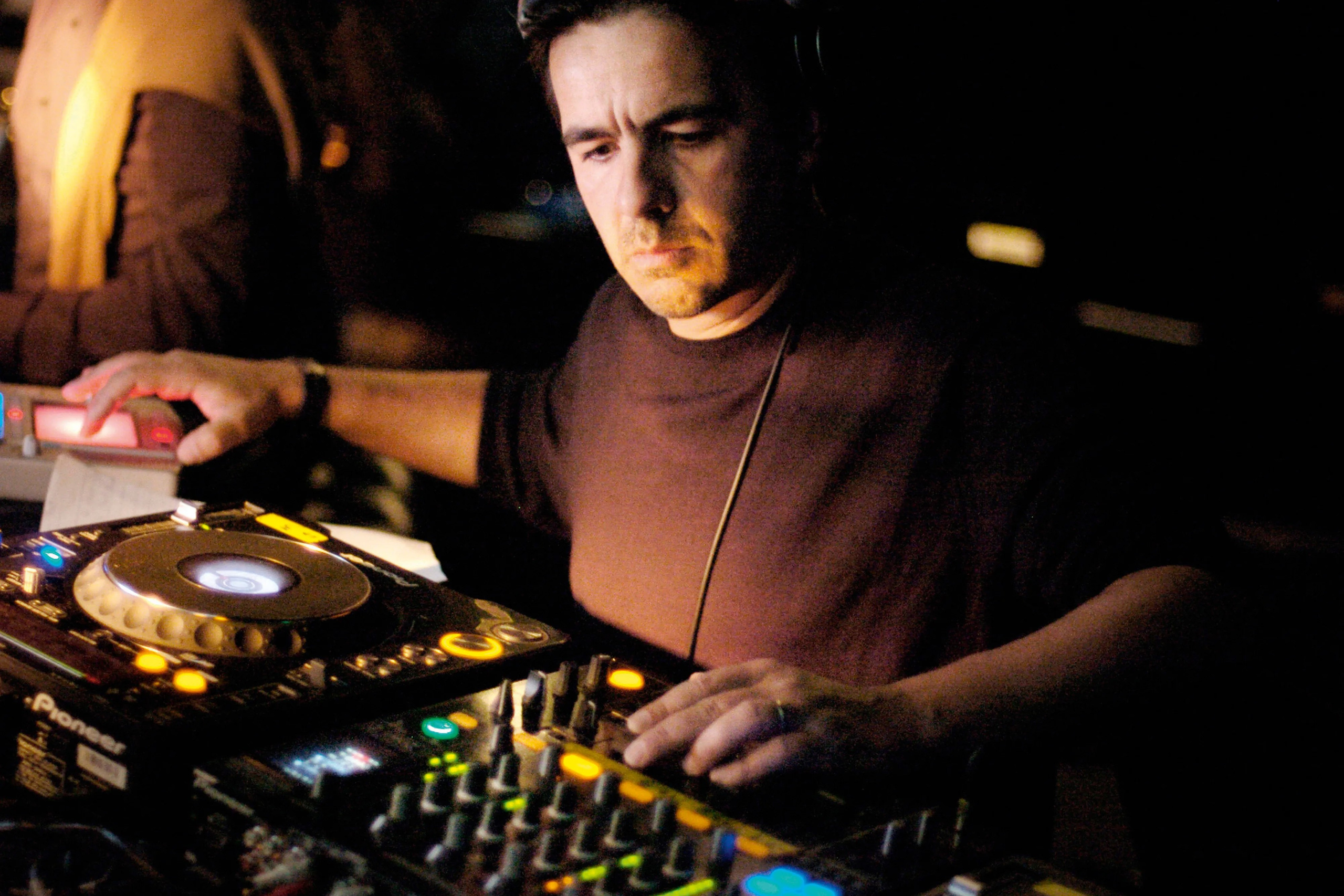
The most recognizable symbol of this scene is Fabrik, a club that many electronic music fans consider one of the finest in Europe. Yet Madrid’s influence extends well beyond a single venue. Spaces such as Mondo Disko have helped build the city’s reputation as a place where both mainstream electronic sounds and more experimental forms of dance music can thrive.
For many international artists, Madrid has become as essential a stop on a European tour as Berlin, Amsterdam, or Paris.
Why Musicians Still Move Here
In an age of remote work and home studios, geography might seem less important than ever. Yet the music industry still depends heavily on human connections.
That remains Madrid’s greatest advantage. The city is home to record labels, managers, promoters, music media outlets, radio stations, and recording studios. It continues to function as a major hub through which many of the most important processes of the Spanish music industry pass.
As a result, many musicians begin their careers elsewhere in Spain but eventually find themselves in the capital. Not because it is the only place where music can be created, but because it remains one of the best places to turn music into a profession.
A Musical Capital Without a Signature Genre
Liverpool gave the world Merseybeat. Seattle became synonymous with grunge. Detroit changed the history of electronic music through techno. Madrid followed a different path.
The city does not have a single genre that defines its musical identity. And that is precisely its greatest strength.
For decades, Madrid has served not as the birthplace of one specific musical movement, but as a meeting point for multiple cultures, scenes, and generations. Perhaps that is why, more than forty years after La Movida Madrileña, the city remains the musical heart of Spain.
It is not the loudest city.
It is not the trendiest.
But it may well be the most important.