When The Eagles Lost Their Harmony: The Conflict That Split a Legendary Band
For a long time, the history of Eagles looked almost flawless: impeccable vocal harmonies, millions of records sold, the status of one of the most successful rock bands in history, and songs that have remained staples of radio playlists for decades. Yet behind this polished surface lay a deep internal conflict, the culmination of which was the dismissal of guitarist Don Felder, one of the key members of the band’s classic lineup. Decades later, this story remains one of the most discussed and revealing episodes in the history of rock music.
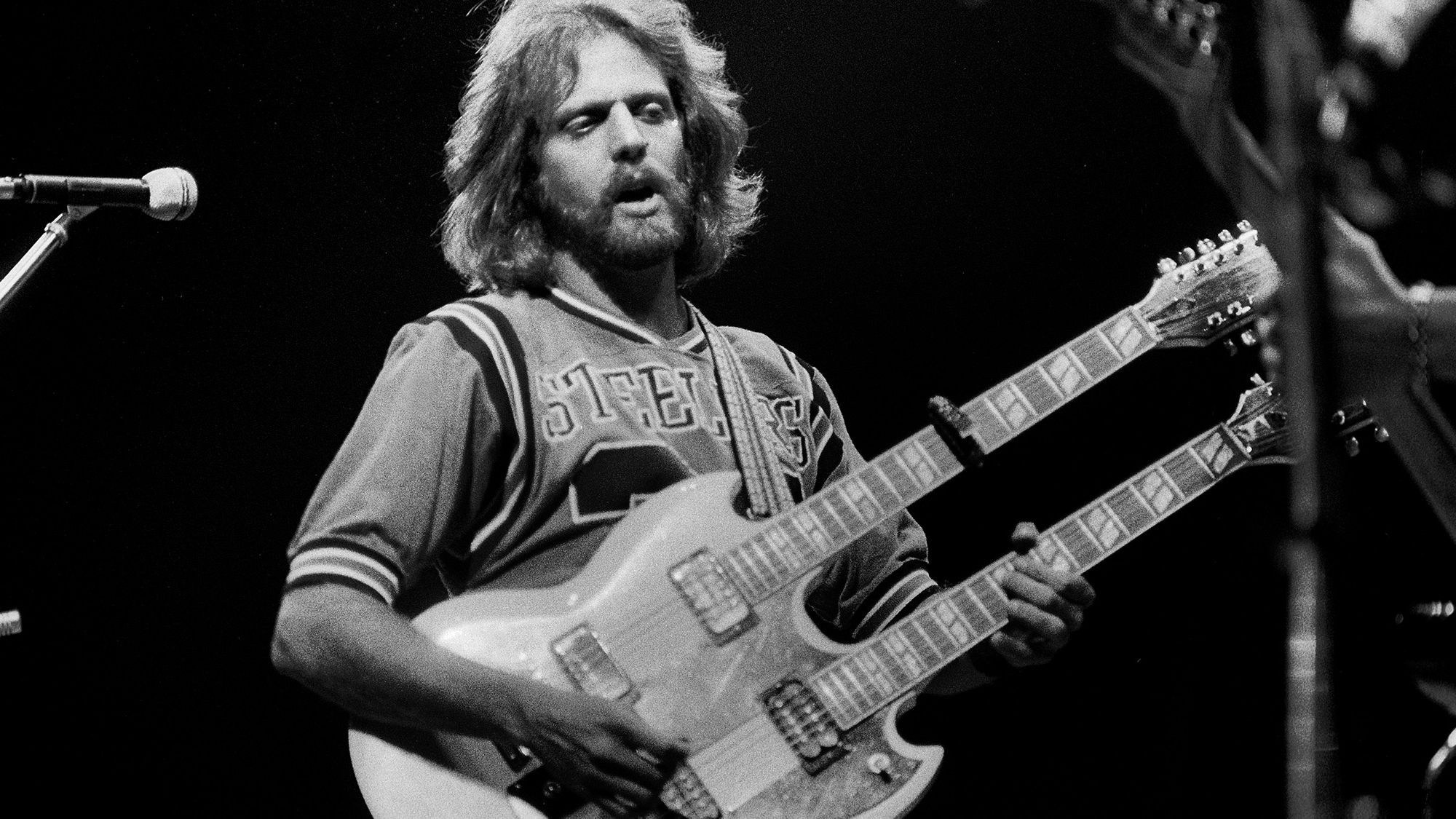
Felder joined Eagles in 1974, at a time when the band was already on the rise but still searching for its definitive sound. His arrival proved to be a turning point: it was Felder who предложил the musical foundation for Hotel California, a song that would later become the band’s calling card and one of the most recognizable rock tracks of the twentieth century. The dual-guitar dialogue between Felder and Joe Walsh became a benchmark for both studio and live performance, and Felder quickly secured an essential place in the group’s musical architecture.
The commercial success of the Hotel California album and the tours that followed was enormous, but it also intensified internal tensions. Eagles were increasingly becoming not just a band, but a complex corporate structure in which key decisions were concentrated in the hands of Don Henley and Glenn Frey. It was at this point that disputes over finances, songwriting credits, and the real distribution of power within the group began to escalate. Don Felder openly expressed dissatisfaction that, despite his significant creative contribution, his role in managing the band remained secondary.
By the end of the 1970s, relationships within Eagles had become openly toxic. The musicians barely communicated offstage, and tension accumulated from tour to tour. The breaking point came during a benefit concert in July 1980 in Long Beach, organized in support of Senator Alan Cranston. A seemingly minor remark by Felder from the stage provoked a sharp reaction from Glenn Frey. The conflict unfolded in the middle of the performance and, according to eyewitness accounts, was accompanied by mutual threats and insults, some of which were picked up by open microphones.
That concert became a symbol of the group’s final loss of internal harmony. Soon after the tour ended, Eagles effectively ceased joint activity. There was no formal breakup at the time, but the band entered a prolonged hiatus that lasted for more than a decade. In 1994, the group reunited for the triumphant Hell Freezes Over tour, and Don Felder once again took his place as guitarist, but the old contradictions never disappeared.
The legally formalized dismissal of Don Felder from Eagles occurred much later, in 2001, whereas the actual rupture and loss of the band’s internal unity date back to the early 1980s. The decision was executed through legal notifications and was accompanied by a serious conflict. Felder filed a lawsuit against his former bandmates, accusing them of breaching agreements and unfair distribution of income. The legal proceedings lasted several years and ultimately cemented the split between the musician and the band.
Despite the dramatic ending, Felder’s contribution to the history of Eagles was recognized at the highest level. In 1998, he was inducted into the Rock and Roll Hall of Fame together with the other members of the classic lineup, and his guitar work on Hotel California regularly appears on lists of the greatest solos of all time. After leaving the band, Felder continued a solo career, released an autobiography, and repeatedly returned to the subject of the conflict in interviews, emphasizing that it was not only about money, but also about respect within the group.
The story of Don Felder’s expulsion is not merely a chronicle of an internal scandal. It is a revealing example of how musical success, power, and human ambition can destroy even the most refined creative alliances. Eagles will forever remain a symbol of harmony in sound, but their behind-the-scenes history serves as a reminder: perfect chords on stage do not always mean agreement beyond it.
Today, this conflict is regarded as one of the key dramas in the history of classic rock — a story of how a band that defined the sound of an entire era lost its internal harmony long before the final notes faded away.