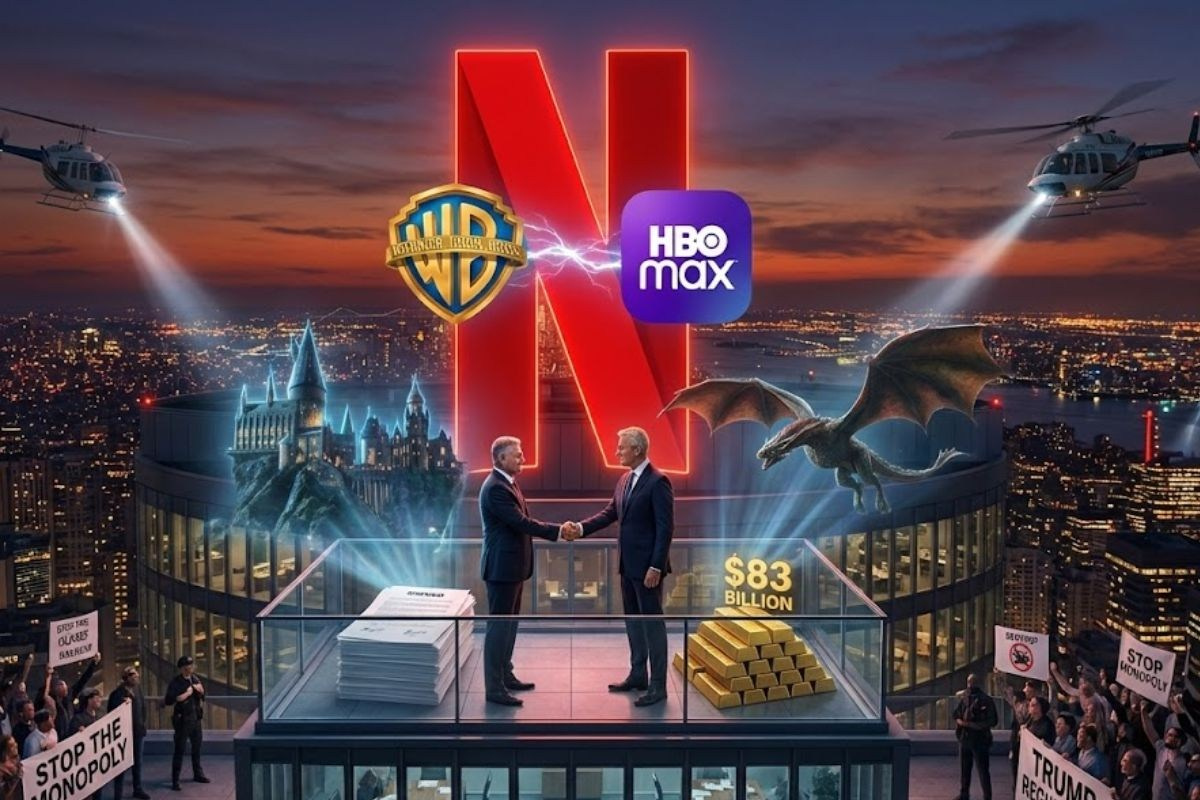
Netflix Makes Historic Acquisition of Warner Bros. and HBO Max: A Deal That Reshapes the Entertainment Industry
For the first time in decades, the global entertainment industry faces an event that truly changes the rules of the game: Netflix is acquiring Warner Bros. along with HBO and the streaming platform HBO Max.
The deal is valued at $82.7 billion, making it the largest acquisition in the history of modern entertainment. According to official statements from Netflix and Warner Bros. Discovery, each WBD shareholder will receive $27.75 per share, and the purchase will proceed after the separation of the Discovery Global division. This is not just a business decision — it is a strategic shift for the entire sector, altering the balance of power in the global content market.
As a result, Netflix will gain control of iconic brands and franchises: Harry Potter, DC, Game of Thrones, The Sopranos, Friends, dozens of Warner classics, TV studios, as well as all HBO content and its premium streaming service. Such a concentration of intellectual property in the hands of one company has never happened before.
Amid growing competition between platforms, this acquisition gives Netflix an enormous boost. The company has stated it will preserve Warner Bros.’ theatrical distribution and continue releasing films in cinemas, emphasizing that the legendary studio will remain an independent creative center. Projected synergies — $2–3 billion in annual savings — are expected to manifest within three years after closing.
One open question remains: what will happen to the streaming services? Will Netflix and HBO Max continue as standalone platforms? Or will the world see a single unified “universe” app where HBO classics coexist with Netflix originals? Experts cautiously suggest a possible merge, as seen with other players in the market, but there are no direct statements yet.
Interestingly, the deal does not include Discovery’s cable and entertainment networks — they will be spun off into a separate public company, further highlighting the strategic focus of the agreement: Netflix is acquiring the studio and streaming businesses specifically, concentrating on production and global content distribution.
For viewers, the consequences may be twofold. On one hand, there are clear benefits: easier access to a massive library, potential savings on subscriptions, and new large-scale projects created by the combined Warner and Netflix teams. On the other hand, regulators are already closely examining the deal, as concentrating this volume of intellectual property in one company may raise antitrust concerns.
But one thing is certain: this event will go down in history. The influence of Netflix, the world’s largest streaming platform, is growing to unprecedented levels. And the acquisition of Warner Bros. — a studio that has shaped global culture for more than a century — creates an entirely new power configuration in Hollywood.
This news may relate to music only loosely. But to the history of the entertainment industry — in the most direct way. And we are only beginning to see the consequences of this massive shift, already being called “the biggest deal of the decade.”