


Rufus T. Firefly in Alicante: a concert that didn’t just sound — it breathed
Even before the doors of the venue opened, the audience began gathering. The doors remained closed, but more and more people were arriving: conversations, anticipation, excitement. It was clear that this evening was not just another concert, but a long-awaited encounter with music, to which many feel almost personally connected.
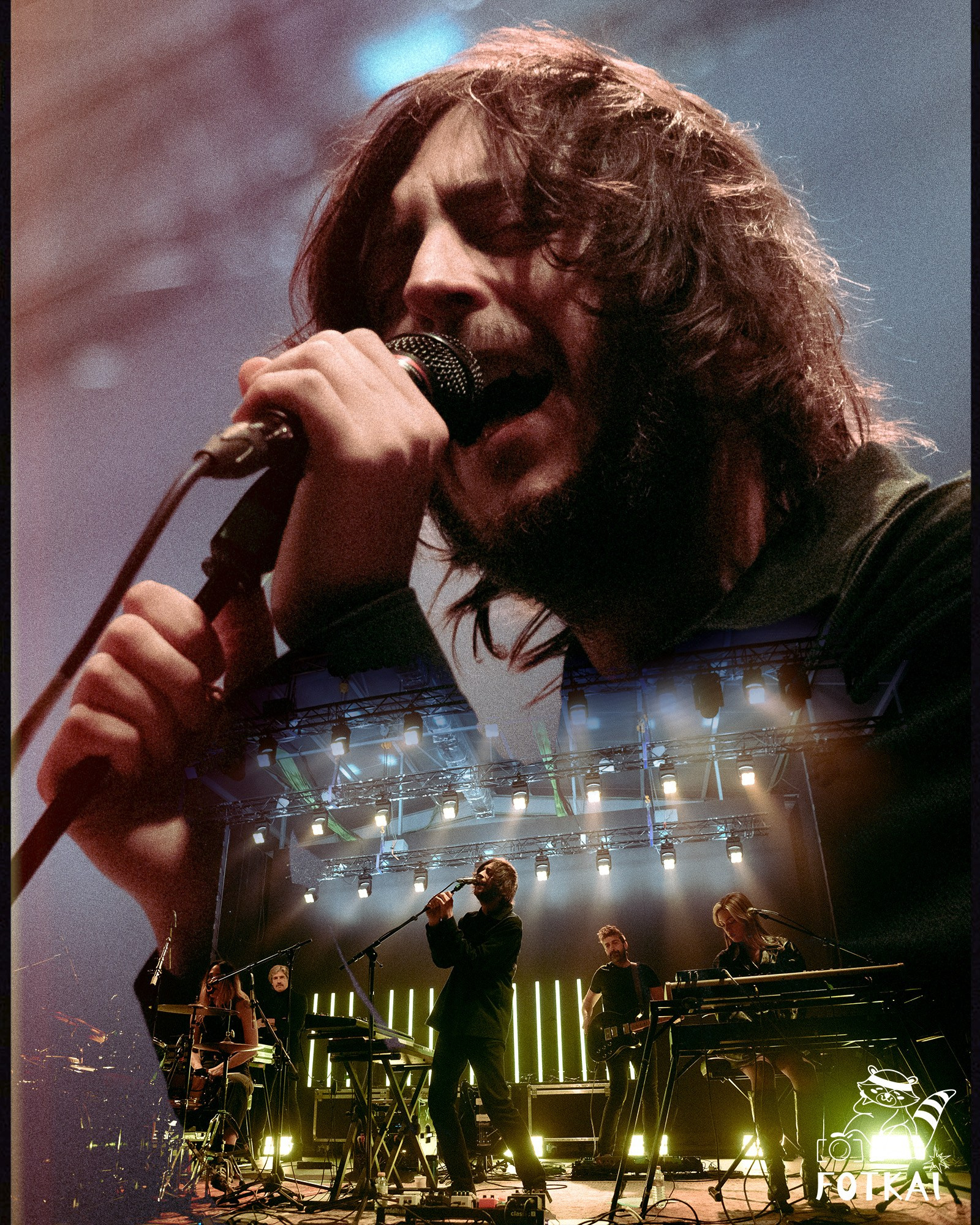
The concert took place at Sala Marmarela, a venue with character, located in the port of Alicante. When the doors opened, the hall quickly filled with people. It was crowded inside, but the atmosphere remained calm and focused, with that rare feeling of collective anticipation, where everyone was ready to immerse themselves in the music.
From the first minutes of the performance, it was clear that Rufus T. Firefly was offering more than a loud show: it was an immersion in a particular state. The music enveloped the listeners with its magic and rocked them like a caring mother. The sound softly filled the space, allowing each person to immerse themselves in the music at their own pace.
At the very beginning of the concert, there were minor technical issues. They did not affect the audience’s mood at all. The audience waited patiently while the sound was restored, and this pause only reinforced the sense of a shared experience. This moment showed how closely connected artists and audience are at live performances.
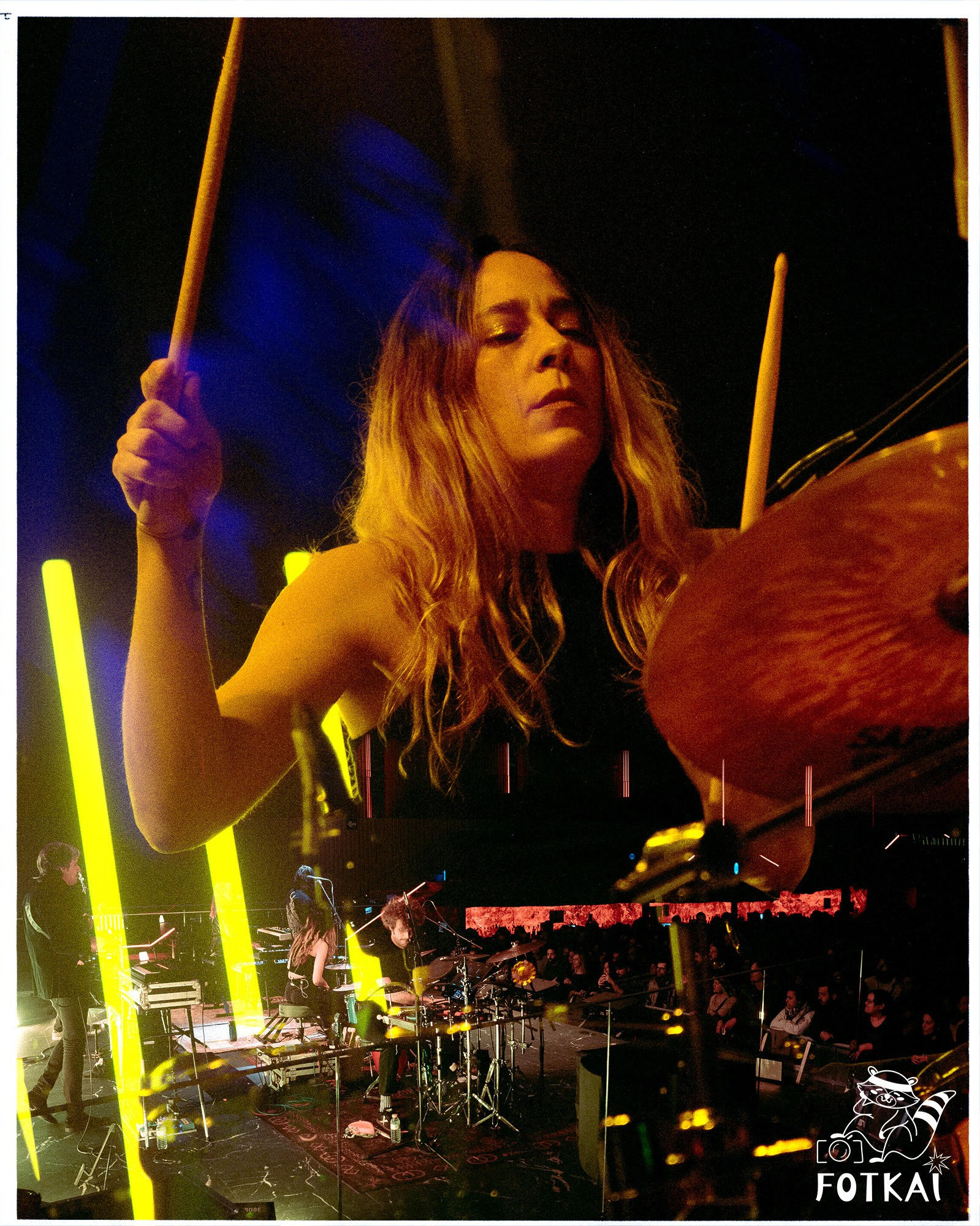
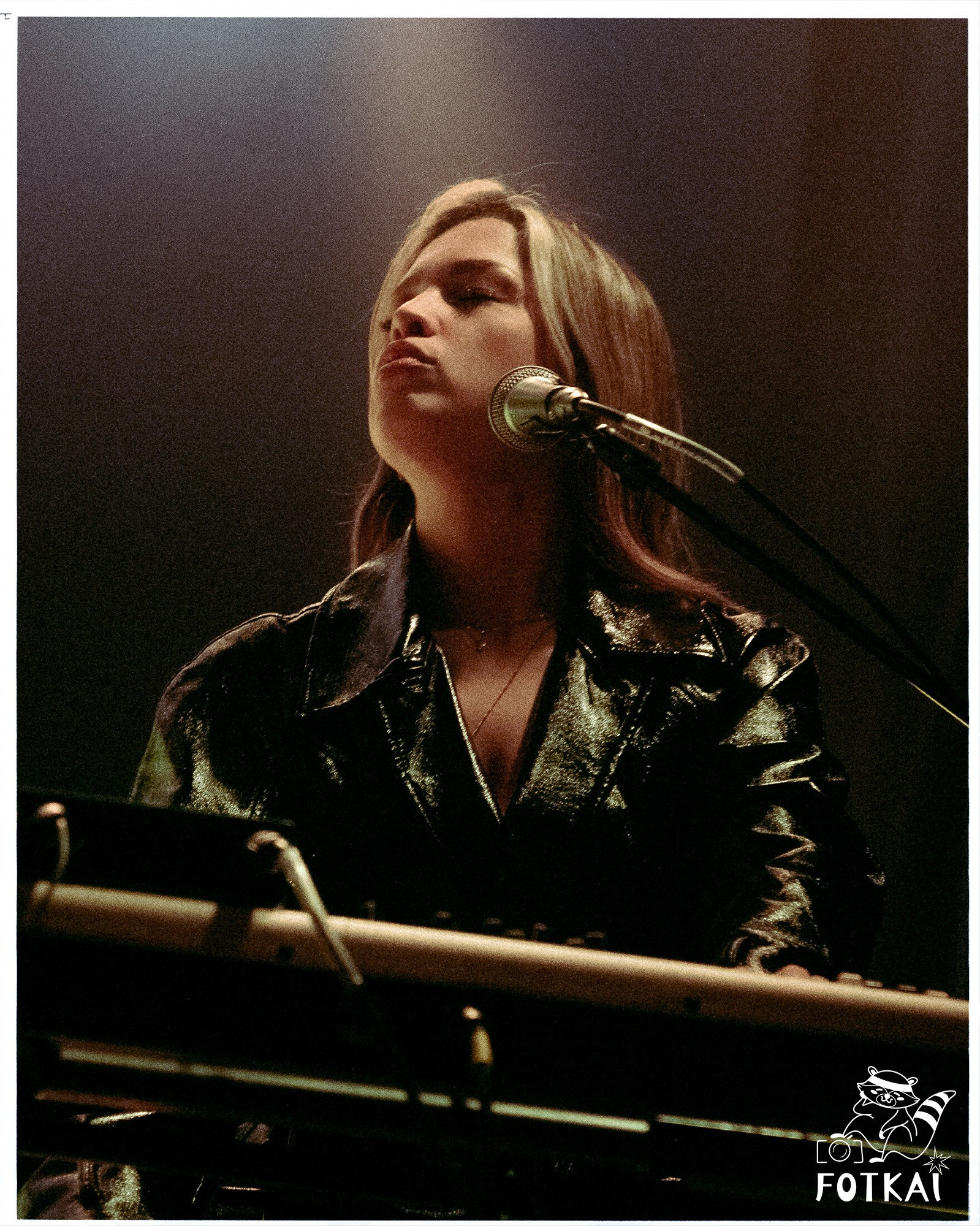
Once everything was working again, the concert continued with that same immersive atmosphere for which the band is appreciated. The setlist organically combined compositions from different creative periods: El coro del amanecer; Camina a través del fuego; Pompeya; Todas las cosas buenas; Río Wolf.
Some earlier compositions, such as Magnolia and Nebulosa Jade, served as recognizable emotional points, strengthening the connection between the band and the audience.
Rufus T. Firefly — a band founded in Aranjuez in the mid-2000s — has established itself as one of the most distinctive groups on the Spanish alternative scene. Their music has evolved from guitar-driven indie to a more complex psychedelic sound, maintaining sincerity and emotional depth. Live performances have always been their strong point, and the concert in Alicante was yet another confirmation of this.
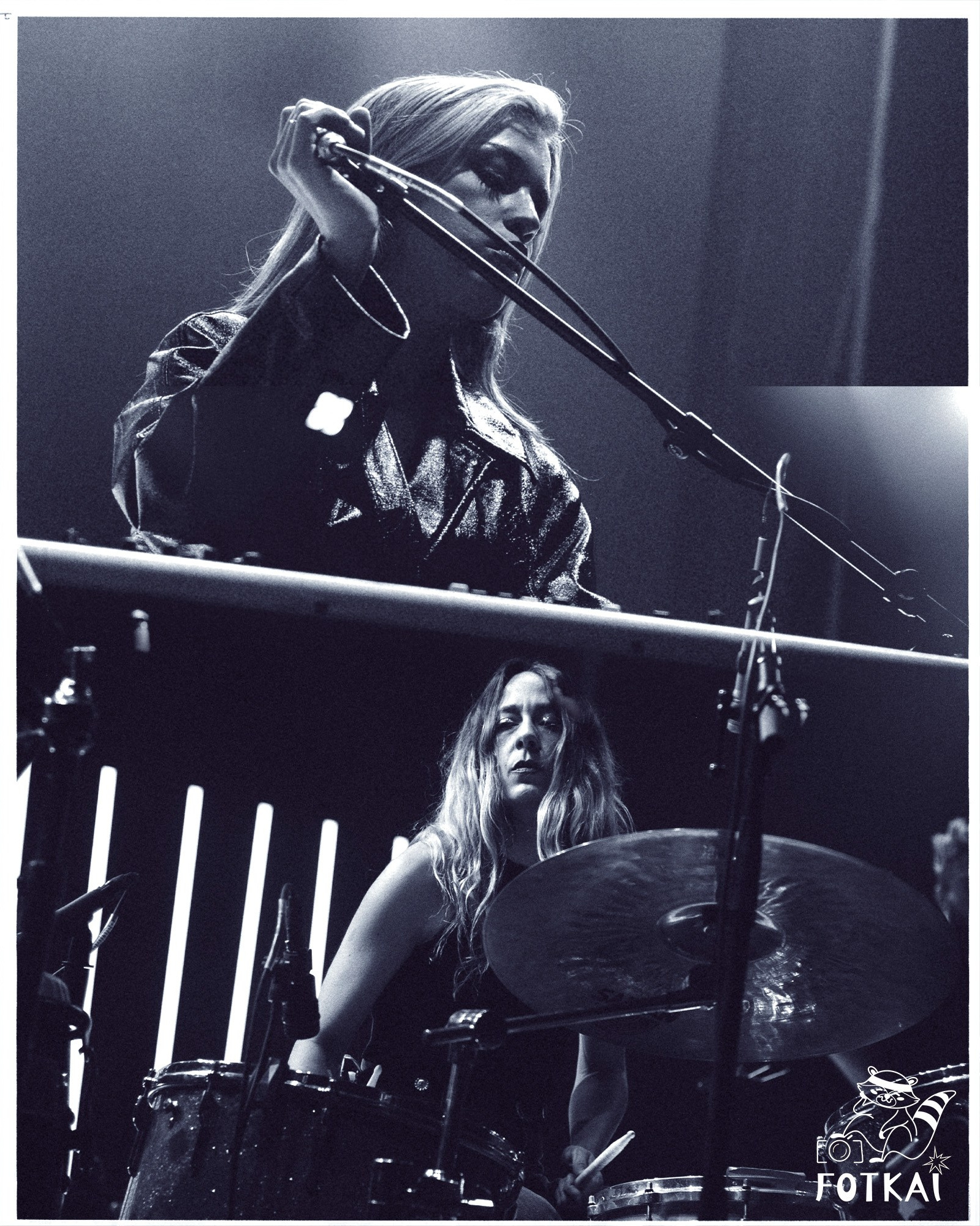
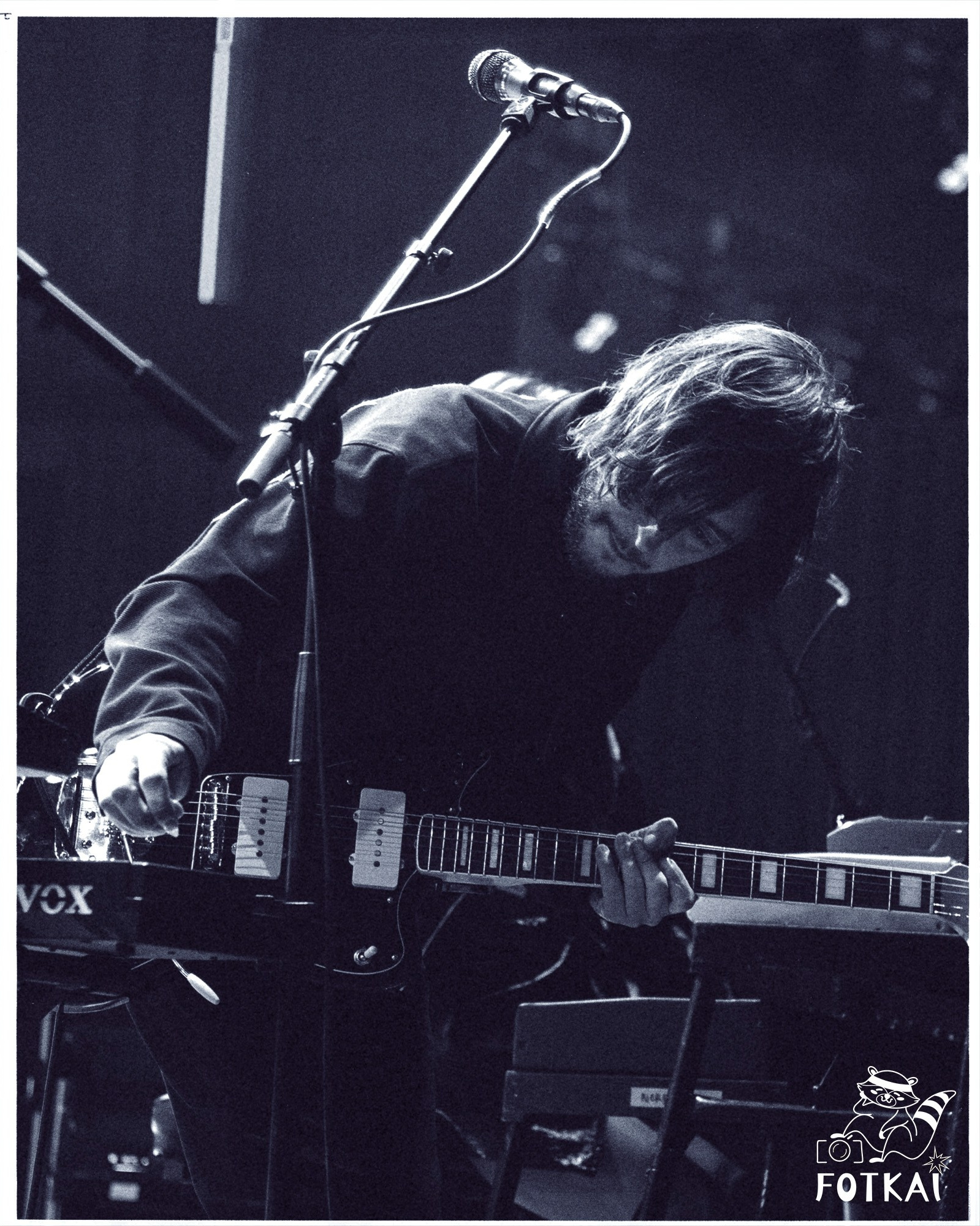
The work with dynamics was especially impressive: from almost meditative, contemplative fragments to dense, immersive waves of sound. The compositions drew the listeners in by themselves, and the hall ceased to be just a physical space — it became a unified sounding environment.
Despite the crowded audience, the concert felt intimate. There was no distance between the stage and the spectators; on the contrary, there was a sense of confident dialogue. The audience’s reactions were expressed not only through applause but also through silence at the right moments, emphasizing attention to the details of the performance.
Special thanks must be expressed to the concert organizers. The team’s flawless work, attention to acoustics, and respect for both the artists and the audience created ideal conditions for complete immersion in the music.
The end of the performance was not a climax in the classical sense; rather, it was the natural conclusion of the overall sonic journey. The applause lasted long and was sincere, without the need to prove anything.
The concert of Rufus T. Firefly in Alicante became an example of how music can not only sound but create a space: warm, alive, and truly immersive. An evening remembered not for individual songs, but for the sense of wholeness and presence.
Text Rina Lukovnikova. Photos Andrey Lukovnikov.


